Building Artists or Audiences? Why South Korea Built Global Music IP While India Remained a Consumption Market
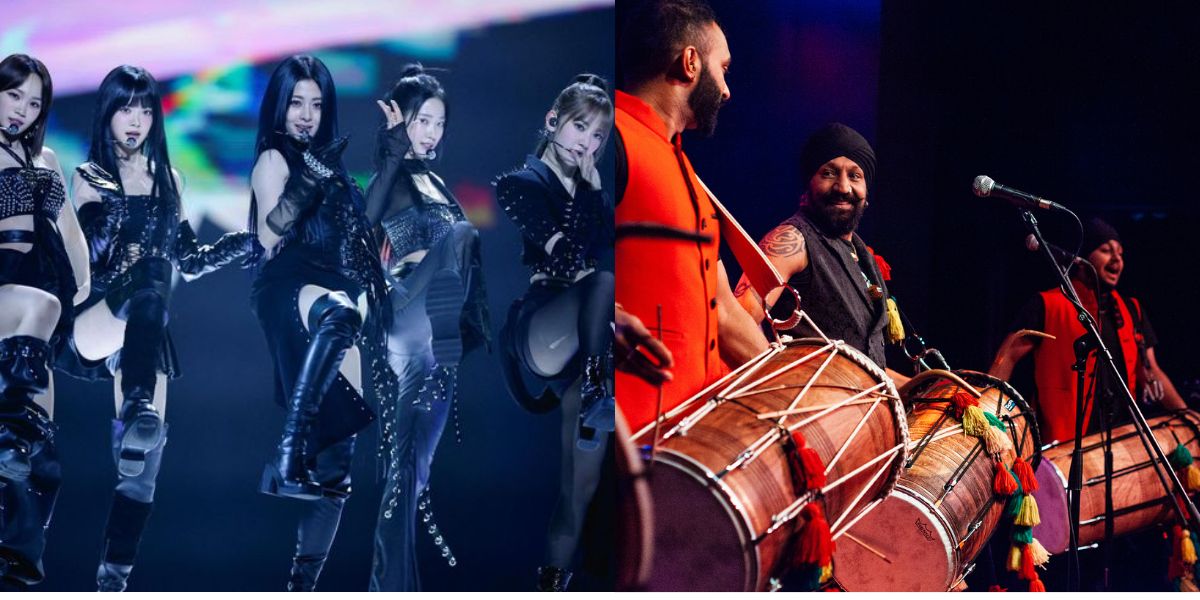
The South Korean music industry has successfully established a global footprint by prioritizing artist-centric intellectual property and long-term cultural export strategies. In contrast, the Indian music market, despite being one of the world's largest by volume, remains primarily focused on domestic consumption driven by the Bollywood film industry. This structural divergence highlights how different approaches to ownership and monetization determine a country's ability to capture global value within the music sector.
South Korea’s transformation into a global music powerhouse began after the 1997 Asian financial crisis when the government designated culture as national infrastructure rather than mere entertainment. By 2025, cultural content exports have grown to become one of the nation's top three export categories, trailing only semiconductors and automotives. This success is rooted in a vertically integrated model where entertainment companies control the entire value chain—including training, production, and distribution—to develop artists as long-term, marketable IP assets rather than one-off releases.
Conversely, the Indian music market is characterized by massive consumption volumes that are largely tied to the Bollywood film industry. Music IP and royalty analyst Ritwik Punjwani notes that while Korea builds an "artist-as-IP" model that fosters deep fan loyalty and merchandise sales, India remains "song-driven," with consumer interest focused on movie soundtracks rather than individual artist brands. This structural difference is compounded by fragmented ownership, as copyrights in India are often split between film studios, labels, and composers, preventing the unified brand control seen in the K-pop ecosystem.
Monetization and language diversity also present significant hurdles for India’s global expansion. While India achieves streaming volumes that few markets can match, the majority of this activity is free or ad-supported, with only a small percentage of paying subscribers funding the industry. Additionally, whereas South Korea exported a unified aesthetic and language that travels as a single brand, India’s diverse linguistic landscape creates a deep homegrown market but fragments its international identity. Until the Indian market shifts toward controlled rights and portable artist identities, it is expected to remain a high-scale domestic market rather than a global export force.
Summary generated by RabbitReport AI from public reporting. The full article and original reporting belong to kpoppost.