Olivia Rodrigo album gets us talking about authenticity
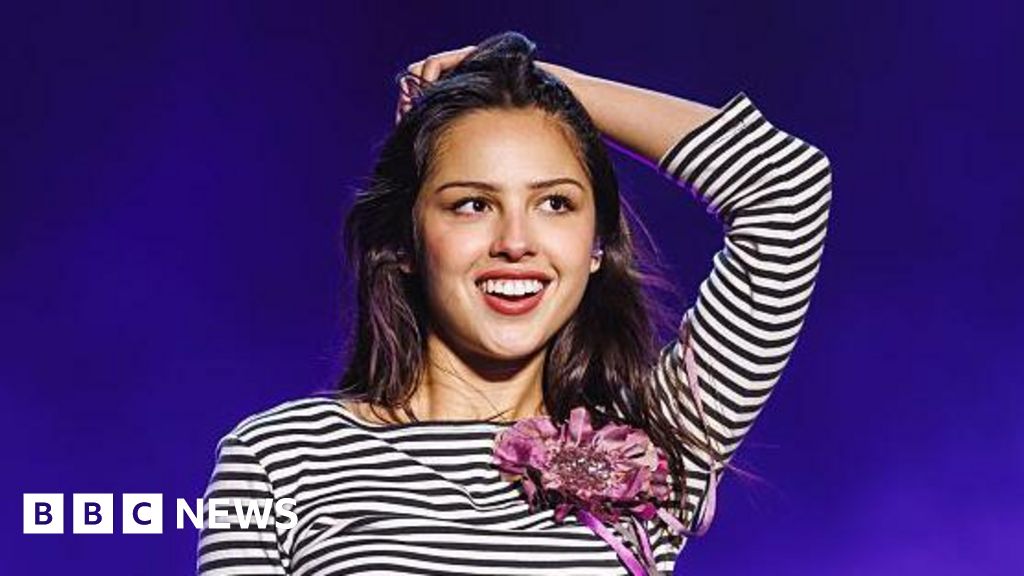
Olivia Rodrigo’s recent chart dominance, including a number one album and three top-five singles in the UK, has sparked a broader industry discussion regarding the value of authenticity and raw emotion in modern pop music. This shift reflects a move away from traditional record label gatekeeping toward artist-led narratives facilitated by social media and direct fan engagement. As listeners increasingly demand transparency and "real" connections, the music industry is adapting to a landscape where vulnerability is a key driver of commercial success and fan loyalty.
Olivia Rodrigo has solidified her position as a leader of a new generation of female artists characterized by unfiltered, confessional songwriting. Her latest project, which chronicles a dissolving love story, propelled her to the top of the UK charts with a number one album and three singles simultaneously in the top five. Other artists such as Lola Young and Olivia Dean are also finding significant success through perceived authenticity, winning prestigious awards and millions of fans by sharing relatable, raw experiences. This trend signifies a departure from the "manufactured" pop era of previous decades, as artists increasingly use personal heartbreak and self-doubt to build their brands.
Record label owner and artist coach Stevie Red McMinn notes that the music industry has transitioned from a world run by managers and labels to one where artists control their own narratives. Previously, labels acted as gatekeepers, deciding how artists were presented through specific media channels. Today, social media allows performers like Alessi Rose and Erin Le Count to bypass traditional press and speak directly to fans from their own bedrooms. McMinn observes that fans have become more sophisticated and knowledgeable about industry inner workings, leading to a higher demand for transparency and a rejection of performative or overly curated personas.
Despite the benefits of direct engagement, the push for authenticity presents new challenges, including the rise of parasocial dynamics where fans feel an unearned intimacy with artists. Singer-songwriter Rachel Chinouriri emphasizes the importance of maintaining boundaries, noting that while authenticity is valuable, artists are not obligated to share every aspect of their lives online. Furthermore, the rise of artificial intelligence in music has made "human" and "unapologetic" content even more resonant with audiences. For the industry, this means that while vulnerability is a powerful marketing tool, it also carries risks of excessive criticism and the need for artists to carefully manage their mental health and privacy.
Summary generated by RabbitReport AI from public reporting. The full article and original reporting belong to BBC.