AI Bots Stole My Music
A West Philadelphia band discovered their original recordings were stolen, digitally altered, and re-uploaded to major streaming platforms under a fictitious artist name. This incident highlights the growing threat of streaming fraud, where bot-driven listeners inflate play counts to siphon royalties away from legitimate creators. The case underscores systemic vulnerabilities in the music industry's digital distribution and verification processes as platforms struggle to combat automated exploitation.
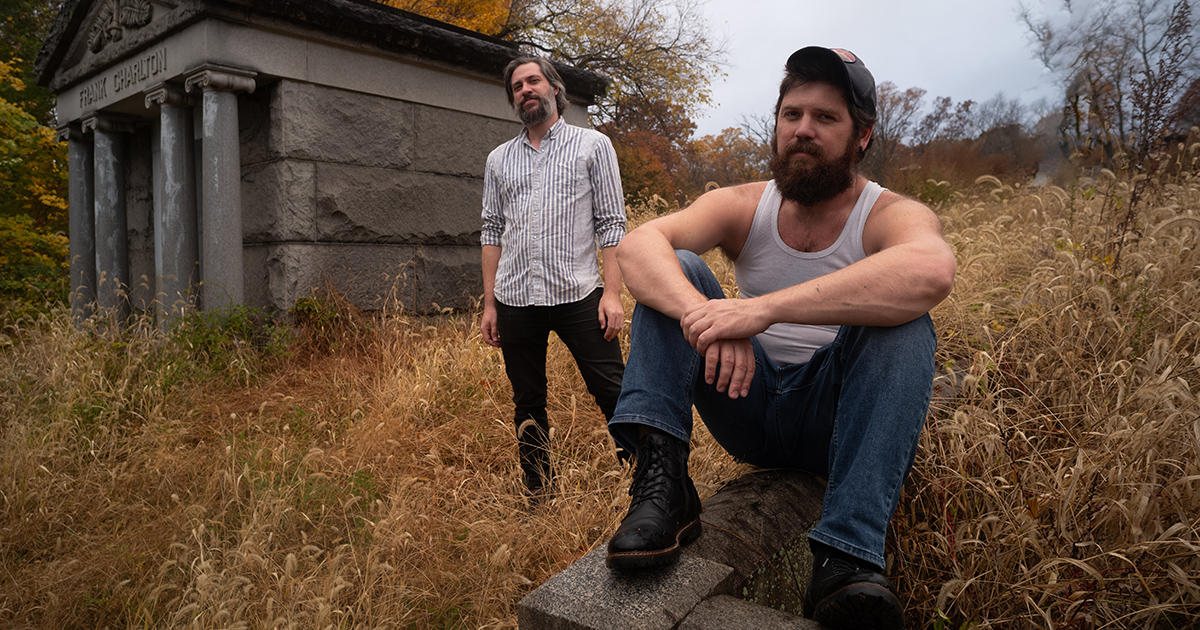
Members of the Philadelphia-based duo Makeshift Hammer discovered that their catalog had been misappropriated by an entity named Carey Dupont. The stolen tracks, featured on an album titled Blue Road, were slightly modified versions of the band's original recordings, with the tempo and pitch adjusted to evade automated detection. Despite having no social media presence or public history, the Dupont account successfully distributed the music across all major streaming services, using titles like All My Friend and Bankers and Liars to mimic the band's original works such as All My Friends and Banker and a Liar.
The scale of the fraud was revealed through a stark disparity in streaming data. While Makeshift Hammer’s original tracks typically garnered between 1,000 and 2,000 listens, the stolen versions on the Carey Dupont profile reached nearly 50,000 plays each within a year. Analysis of the listening patterns showed an unusual consistency across the album’s tracks—ranging from 62,202 to 70,668 plays—suggesting the use of automated bot farms rather than organic human listeners, who typically favor specific singles over full-album play-throughs.
This incident reflects a broader crisis of streaming manipulation within the music industry. Other independent artists, such as Roberta Faceplant, reported similar experiences with stolen content and difficulties in securing takedowns from platforms. The financial implications are significant; the article notes the recent case of Michael Smith, who pleaded guilty to defrauding streaming services of $8 million through similar bot-driven schemes. For independent creators, these fake artists not only steal intellectual property but also dilute the royalty pool, exploiting the very algorithms designed to promote discovery.
Summary generated by RabbitReport AI from public reporting. The full article and original reporting belong to Philadelphia Magazine.