CMS and FDA Unveil RAPID Pathway to Accelerate Medicare Coverage for Breakthrough Devices
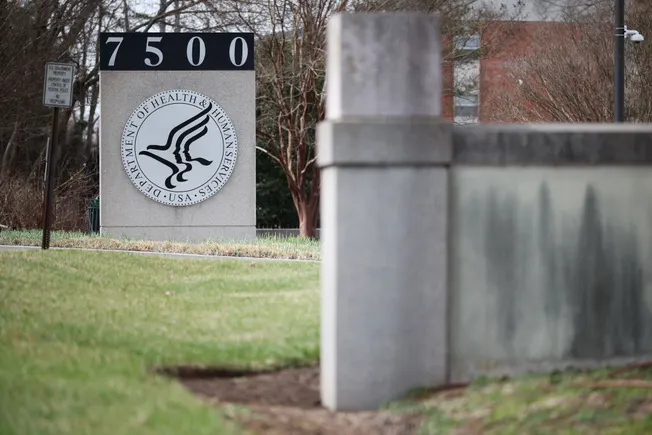
The Centers for Medicare and Medicaid Services (CMS) and the Food and Drug Administration (FDA) have introduced the Regulatory Alignment for Predictable and Immediate Device (RAPID) pathway to streamline the transition from regulatory authorization to reimbursement. This initiative specifically targets FDA-designated Class II and Class III breakthrough medical devices, aiming to reduce the coverage gap from over a year to potentially just two months. By aligning evidence requirements early in the development process, the program seeks to ensure that Medicare beneficiaries gain faster access to life-saving and innovative medical technologies.
The newly announced RAPID pathway facilitates early collaboration between health agencies and device manufacturers to synchronize clinical evidence generation for both regulatory review and coverage determinations. Under this framework, CMS experts will engage with innovators during the design of pivotal trials to ensure that the collected data addresses clinical outcomes relevant to Medicare beneficiaries. This proactive approach is intended to prevent the common hurdle where manufacturers must design entirely new trials after FDA authorization to satisfy CMS requirements. To qualify, devices must be breakthrough technologies addressing unmet clinical needs, and they must be part of an investigational device exemption study that enrolls Medicare beneficiaries and studies clinical health outcomes agreed upon by both agencies.
The program represents a significant expansion over previous efforts, such as the Transitional Coverage for Emerging Technologies (TCET) pathway, which was limited to only five devices per year. CMS officials indicated that approximately 40 devices currently qualify for RAPID, with another 20 potentially eligible, a substantial increase over TCET, which is being paused to prioritize this new initiative. Industry data highlights the necessity of such reforms, as a survey from the Stanford Byers Center for Biodesign and the Duke-Margolis Center for Health Policy found it takes an average of five years for authorized devices to achieve broad national coverage. By issuing a proposed national coverage determination (NCD) on the same day a device receives FDA marketing authorization, the RAPID pathway aims to drastically compress this timeline.
Leadership from both agencies and the private sector have reacted to the announcement with a mix of optimism and caution. FDA Commissioner Marty Makary and CMS Administrator Dr. Mehmet Oz emphasized the removal of "red tape" to deliver life-saving treatments to patients more efficiently. While AdvaMed CEO Scott Whitaker described the pathway as a "positive step," he stressed that the implementation must include meaningful timelines and accountability to ensure patients truly benefit. A proposed procedural notice for RAPID will be published in the Federal Register for a 60-day public comment period before the program is finalized, marking a pivotal shift in how the U.S. government manages the lifecycle of high-priority medical innovations.
Summary generated by RabbitReport AI from public reporting. The full article and original reporting belong to MedTech Dive.