Hydrogen backbone for maritime shipping takes shape
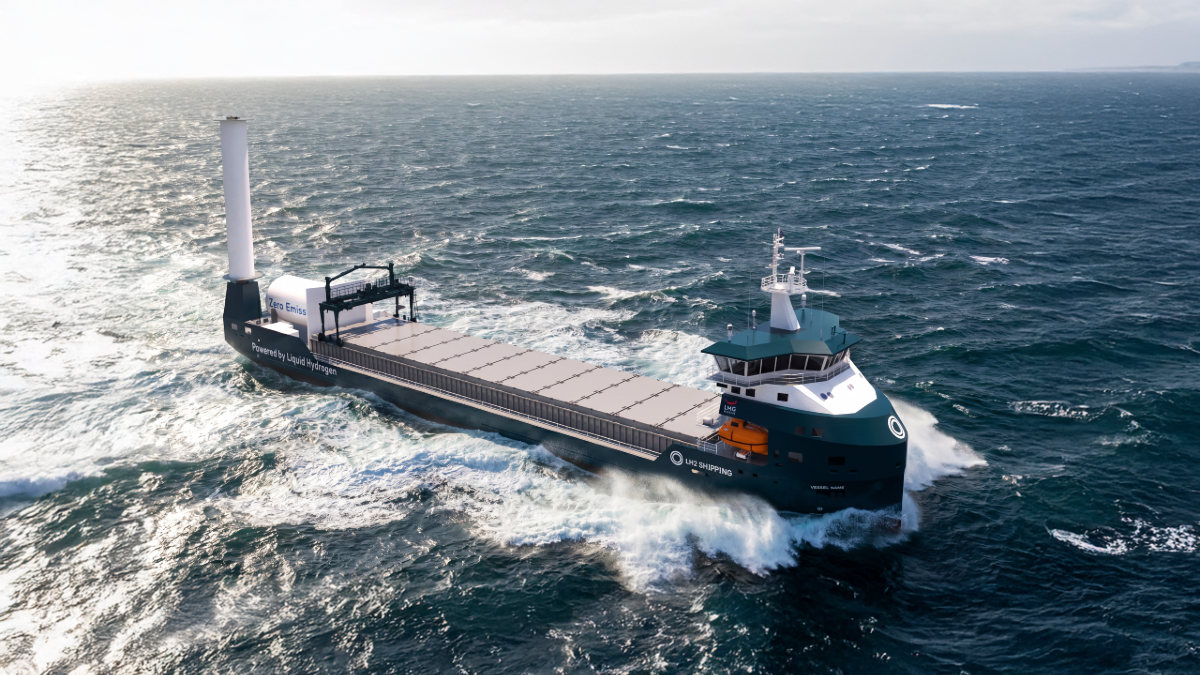
Norway is accelerating the development of a maritime hydrogen supply chain through significant government and EU funding for zero-emission vessels and infrastructure. Enova SF has awarded Nkr1.2 billion (US$124 million) to support 10 zero-emission ships, including two liquid hydrogen-powered bulk carriers for the StrandBulk Project. This initiative aims to establish a complete liquid hydrogen value chain on Norway’s west coast, integrating green hydrogen production with advanced shortsea shipping operations.
LH2 Shipping, a Norwegian start-up led by CEO Ivan Østvik, has secured Nrk344.3 million (US$35.5 million) to construct two 7,700-dwt shortsea bulk carriers powered by liquid hydrogen (LH2). These vessels are part of a broader Nrk800 million (US$82 million) commitment from Enova SF to support the development of six zero-emission ships. The StrandBulk Project vessels will measure 108.2 meters in length and feature hydrogen-powered proton exchange membrane (PEM) fuel cells with a capacity of 3,400 kW. To ensure operational flexibility, the ships will also include a 3 MWh battery pack for port operations and a standby diesel generator capable of running on biodiesel if LH2 supplies are unavailable.
The design of these bulk carriers emphasizes extreme energy efficiency, targeting a 30% improvement over comparable vessels. Technical specifications include an optimized hull design, energy management systems, and the installation of solar panels on cargo hatches. The ships are intended for dry and general cargo transport within Norway and the Baltic region, utilizing a 17-tonne onboard LH2 storage tank. LH2 Shipping brings significant expertise to the project, having previously served as the lead for Norled’s MF Hydra, the world’s first hydrogen fuel cell-powered ferry, which has provided five years of technical and regulatory data to inform these new builds.
Supporting this vessel deployment is a robust infrastructure plan led by Gen 2 Energy, which is developing a green hydrogen production and shipping hub in the port of Mosjøen. The company plans to build two large-scale electrolysis and liquefaction facilities in the Nesbruket and Holandsvika areas on Norway’s west coast. The Gen2 Nesbruket project has notably been selected for support under the European Innovation Fund, highlighting the international significance of the project. Once operational, these facilities will provide the necessary fuel to sustain the emerging hydrogen-powered fleet, effectively creating a localized maritime energy backbone.
Summary generated by RabbitReport AI from public reporting. The full article and original reporting belong to rivieramm.com.