Arctic Ship Traffic Hits Record 40% Increase in 2025
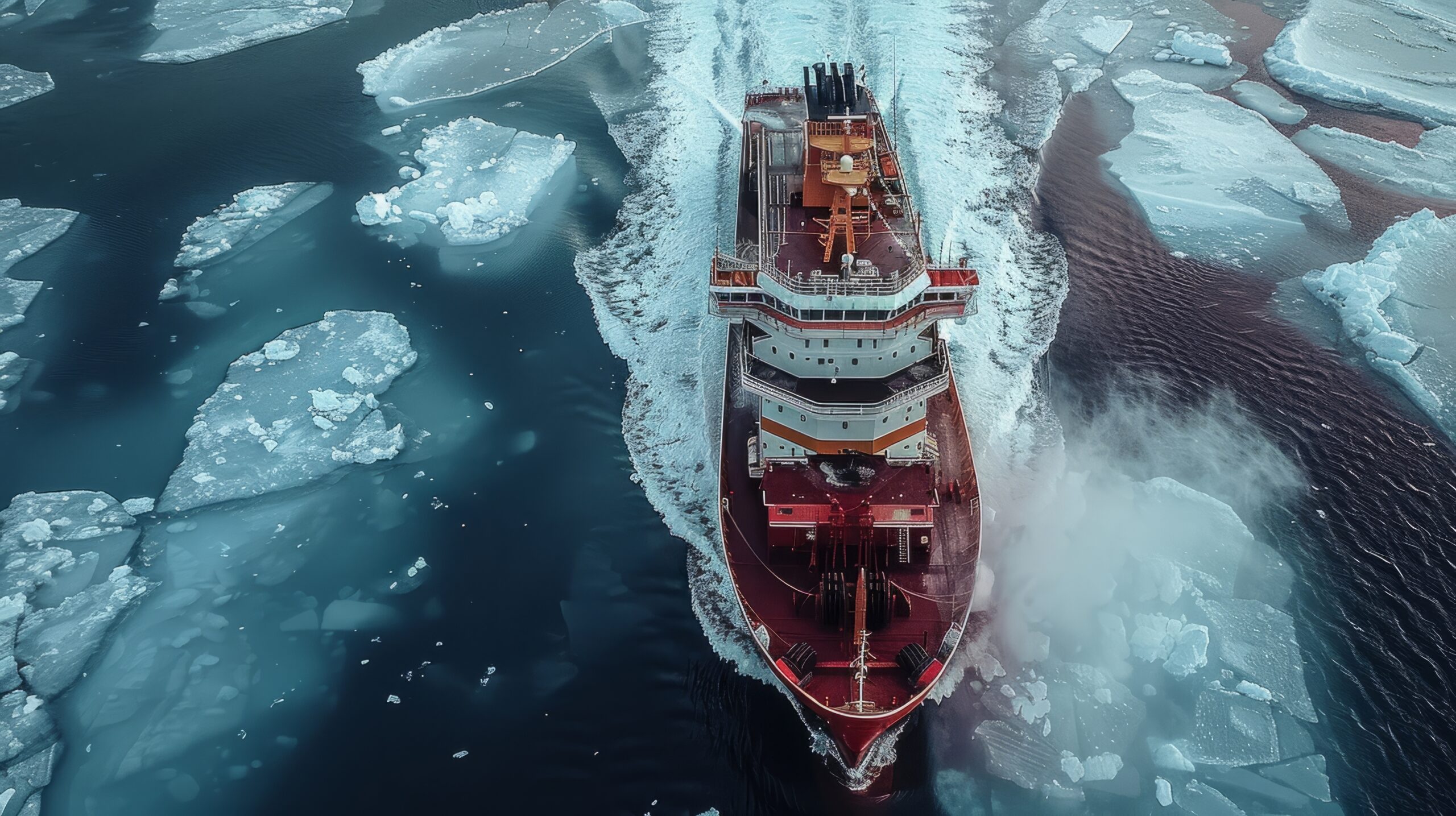
The number of unique vessels operating in the Arctic Polar Code area reached a record high of 1,812 ships in 2025, representing a 40% increase since data collection began in 2013. According to the Arctic Council’s PAME working group, the total distance sailed in the region nearly doubled over the same period, rising from 6.1 million to 11.9 million nautical miles. This surge in maritime activity is driven by receding sea ice and an increase in natural resource extraction, signaling a significant shift in global shipping routes and regional accessibility.
Data released by the Arctic Council Working Group on the Protection of the Arctic Marine Environment (PAME) reveals that 1,812 unique ships entered the Arctic Polar Code area in 2025. This record-breaking figure is supported by the Arctic Ship Traffic Data (ASTD) System, which has tracked a 95% increase in the aggregate distance sailed by vessels over the last 12 years. Traffic remains highly seasonal, with 58% of the year's total activity occurring in September when sea ice is at its lowest extent; during that month alone, 1,060 ships were recorded in the region.
While fishing vessels remain the most common ship type at 40% of total traffic, followed by general cargo ships, other sectors have seen more explosive growth. Between 2013 and 2025, the number of crude oil tankers operating in the Arctic increased by 396%, the highest growth rate of any vessel class. Bulk carriers saw a 156% increase, while the cruise ship sector grew by 123%. These figures reflect a broader industry trend toward utilizing Arctic waters for heavy industrial transport and specialized tourism as navigation seasons lengthen due to the loss of older, thick sea ice.
Hjalti Hreinsson, deputy secretary at PAME, identified natural resource extraction as a primary driver for the increased traffic, noting that new projects in the sparsely populated region have a disproportionately large impact on shipping statistics. To better manage this growth, PAME is expanding its reporting to include analyses of smaller vessels, cruise ships, and maritime accidents in partnership with experts from France. A major forthcoming update to the ASTD system will provide detailed statistics for approximately 500 Arctic ports and allow users to track the last port of entry for ships entering the area, offering a more comprehensive view of Arctic logistics and safety.
Summary generated by RabbitReport AI from public reporting. The full article and original reporting belong to Shipping Telegraph.