Self-expression, experiences, resale: what luxury clients really want
A new report by McKinsey and The Business of Fashion (BoF) Insights projects the global luxury market will grow by four to six percent annually through 2030, driven primarily by the United States and China. The study highlights a significant shift in consumer behavior, where emotional connection and self-expression are now prioritized over traditional markers like logos and heritage. This evolution presents a $70 billion to $90 billion growth opportunity within the underserved aspirational and established client segments who spend between $5,000 and $50,000 annually.
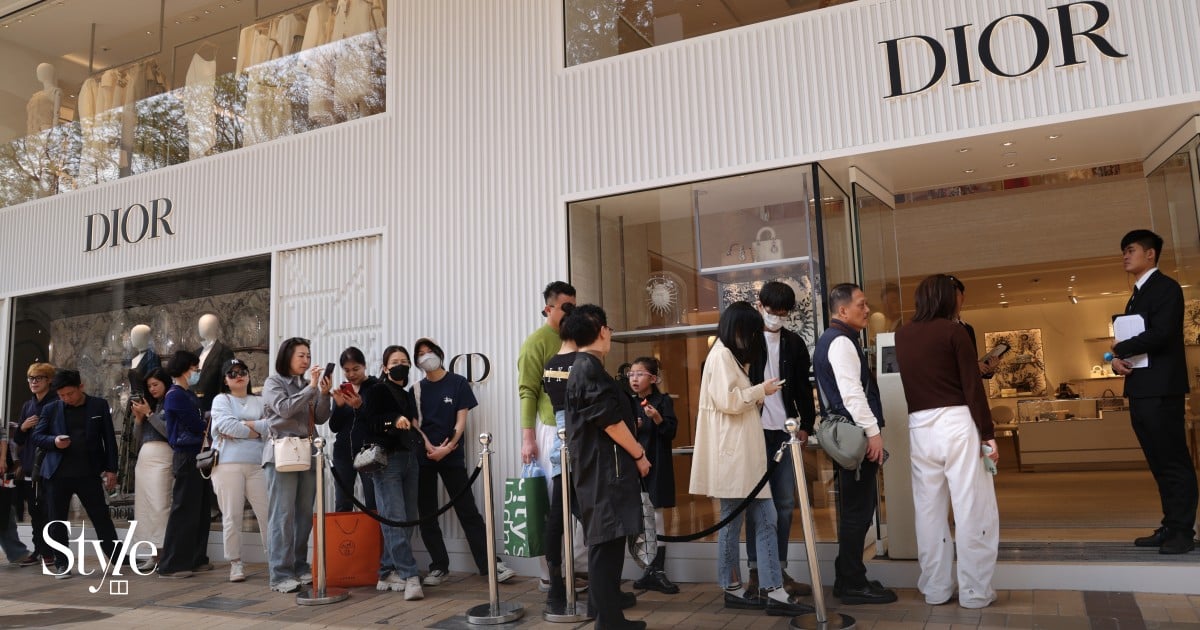
The 'State of Fashion: Face to Face with Luxury Clients' report, which surveyed over 2,000 luxury consumers, indicates that while the US and China remain the most critical markets, their preferences are diverging. More than two-thirds of American customers now favor smaller, independent labels, whereas a similar proportion of Chinese consumers remain loyal to established legacy brands. Despite these differences, both groups are moving away from 'artificial scarcity'—such as waiting lists—viewing them as marketing gimmicks rather than genuine value. Imran Amed, founder and CEO of The Business of Fashion, noted that luxury brands have recently prioritized the ultra-wealthy at the expense of other segments, losing touch with broader consumer bases.
Self-expression has emerged as the primary driver for modern luxury purchases, with buyers in both regions favoring emotional connections over craftsmanship or brand history. In China, brand desire is heavily linked to confidence, with 33 percent of established clients and 47 percent of aspirational ones shopping to enhance their self-assurance. Experience is also eclipsing ownership; approximately 30 percent of respondents in both markets stated they would prioritize travel over purchasing goods if given extra funds. This shift is reflected in retail preferences, where Chinese consumers favor immersive in-store experiences, while American shoppers are increasingly deterred by long queues and aggressive sales tactics.
Technology and the circular economy are becoming integral to the luxury journey, with 46 percent of established clients using artificial intelligence for shopping inspiration and 54 percent using it to evaluate brands. AI usage is particularly high in complex categories like watches, reaching 57 percent. Simultaneously, the resale market is gaining traction among high-spending clients, though motivations vary by region. While US consumers are drawn to the 'thrill of the hunt' for pre-owned goods, Chinese buyers remain focused on authenticity as that market continues to mature. These trends suggest that future brand desirability must be earned through personalized engagement rather than manufactured through price hikes or restricted supply.
Summary generated by RabbitReport AI from public reporting. The full article and original reporting belong to South China Morning Post.