How Chinese luxury brands are finding a path to premiumisation
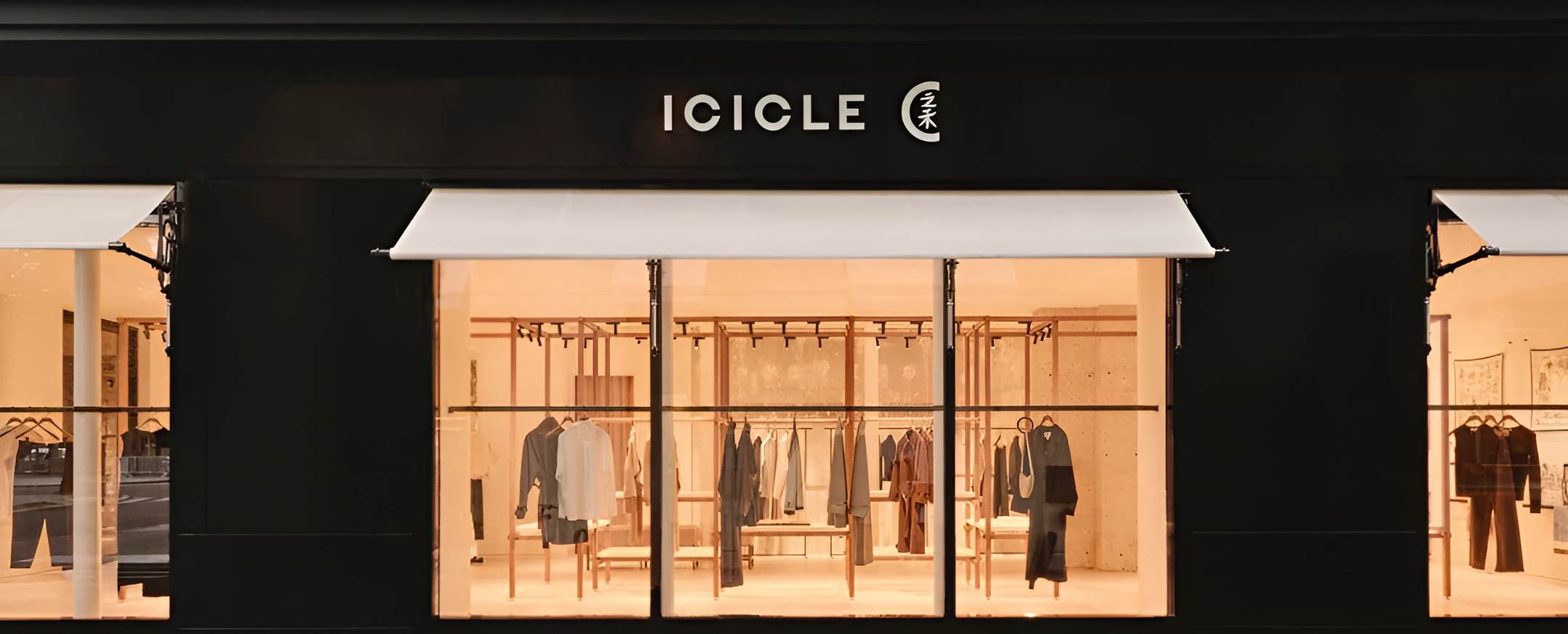
Chinese domestic fashion brands are successfully transitioning into higher price brackets by prioritizing quality, design, and storytelling over deep discounting. This shift marks a significant evolution in the luxury goods sector as local labels like ICICLE and Songmont challenge the long-standing dominance of international heritage brands. By leveraging mature supply chains and a growing sense of cultural confidence among younger consumers, these companies are building genuine brand equity and high customer loyalty.
Domestic Chinese labels are breaking the historical manufacturing powerhouse stigma by achieving significant growth in average selling prices (ASP) without sacrificing consumer demand. For instance, the handbag brand Songmont reported a 340% Tmall GMV growth in May, with its ASP rising from approximately RMB 1,600 to RMB 2,200 while maintaining a 42% repeat purchase rate. Similarly, ICICLE, which has attracted investment from Gucci-owner Kering and operates in high-end malls like SKP and Taikoo Li, maintains an ASP of RMB 2,400 and an industry-leading repeat purchase rate of 68%. These figures suggest that Chinese consumers are increasingly willing to pay premium prices for domestic products that align with their values and quality expectations.
A strategic pivot away from discount-heavy promotional events is further defining this new era of Chinese premiumisation. During major shopping festivals like 618, brands such as Fabrique, PANE, and ICICLE are increasingly focusing on new collection launches rather than price cuts to reinforce brand identity. Data shows that new-product contribution to sales has risen significantly, with Fabrique reaching 73% and ICICLE climbing to 57%. This approach is supported by platform shifts, such as Tmall’s 88VIP program and updated algorithms that reward customer loyalty and long-term value over simple transaction volume, creating a more favorable environment for brands maintaining pricing discipline.
The underlying drivers of this trend include a maturation of local supply chains and a shift in consumer psychology, particularly among younger demographics who prioritize materials and craftsmanship over a brand's country of origin. Having manufactured for global luxury houses for decades, Chinese producers are now applying that expertise to domestic labels like Biemlfdlkk and the Hermes-backed Shang Xia. While the industry acknowledges that true luxury status requires decades of heritage and consistent storytelling, the current foundations—flexible manufacturing, high repeat purchase rates, and a move toward sustainable, natural fabrics—indicate a structural change in how Chinese brands compete in the global luxury landscape.
Summary generated by RabbitReport AI from public reporting. The full article and original reporting belong to Dao Insights.