Self-expression, experiences, resale: what luxury clients really want
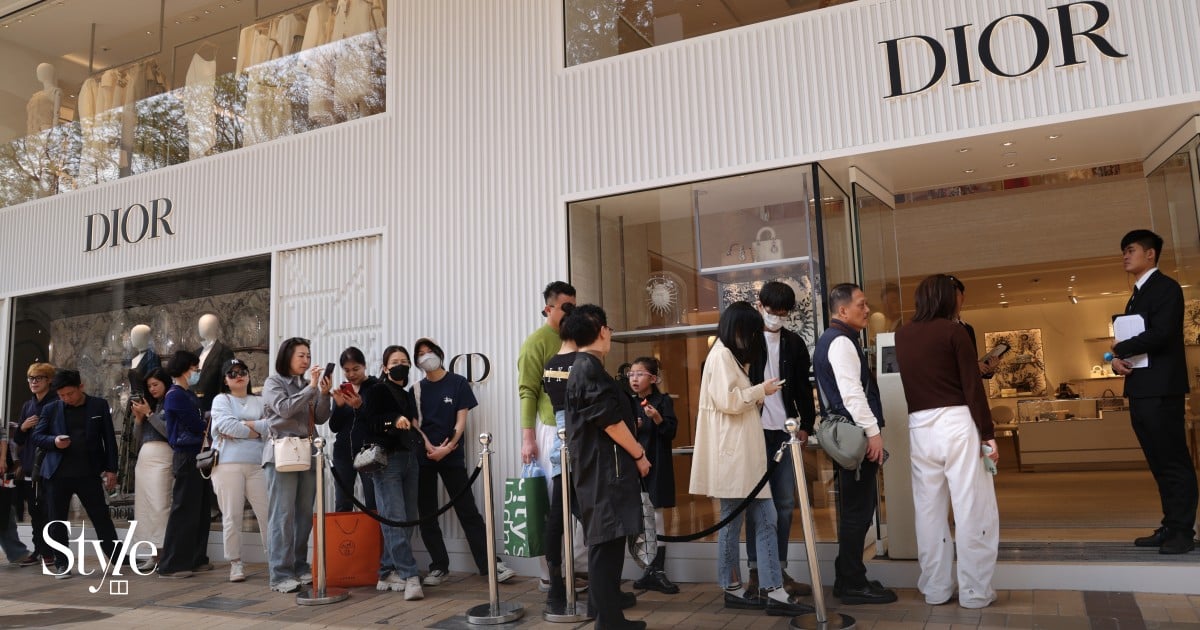
A new report by McKinsey and BoF Insights projects the global luxury market will grow by four to six percent annually through 2030, driven primarily by the United States and China. The study highlights a significant shift in consumer behavior, where emotional connection and self-expression are increasingly prioritized over traditional markers like logos and heritage. This evolution suggests a massive $70 billion to $90 billion growth opportunity within the underserved aspirational and established client segments.
The "State of Fashion: Face to Face with Luxury Clients" report, drawing on data from 2,000 clients, identifies a major growth opportunity in the "aspirational and established" segment—those spending between $5,000 and $50,000 annually. While this group represents up to $90 billion in potential revenue, they have been systematically underserved as brands focused on ultra-high-net-worth individuals. In the US, two-thirds of surveyed customers now favor smaller, independent labels, whereas Chinese consumers remain more devoted to legacy brands, though both groups increasingly value self-expression and emotional connection over brand heritage or craftsmanship.
Modern luxury consumers are becoming increasingly skeptical of "artificial scarcity," such as waiting lists and limited availability, viewing them as marketing tactics rather than true markers of value. Instead, exclusivity is being redefined through personalized services and loyalty rewards. In the US, 40 percent of clients value early product drops and rewards, while Chinese buyers—particularly the high-spending Gen X demographic—prioritize bespoke products and personalized engagement. Imran Amed, CEO of The Business of Fashion, noted that brand desirability must now be earned through genuine connection rather than manufactured through price hikes or scarcity.
The report also underscores the rising importance of experiences and technology in the luxury journey. Approximately 30 percent of respondents in both major markets would prioritize travel over purchasing physical goods if given extra funds, signaling a shift toward "moments and memories." Furthermore, digital integration is accelerating, with 46 percent of established clients using AI for shopping inspiration and 54 percent using it to evaluate brands, particularly in complex categories like watches. Meanwhile, the resale market is maturing, with US buyers seeking the "thrill of the hunt" and Chinese consumers focusing on authenticity as they embrace pre-owned luxury.
Summary generated by RabbitReport AI from public reporting. The full article and original reporting belong to South China Morning Post.