Cartier Luxury Goods Bypass International Trade Bans to Supply Russian Market via Kazakhstan
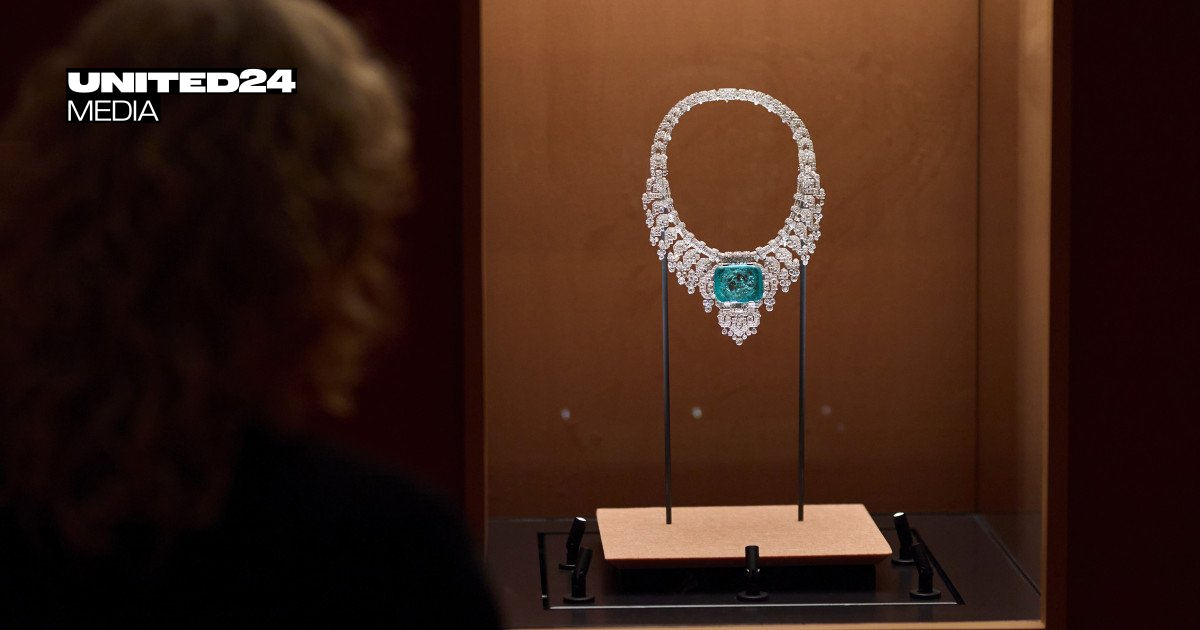
Despite strict export bans imposed by the European Union and Switzerland following the invasion of Ukraine, Cartier luxury jewelry continues to reach the Russian market through a sophisticated parallel supply network. Customs data indicates that while direct imports to Russia have plummeted, shipments to Kazakhstan have surged to levels that mirror pre-war Russian demand. This development highlights the ongoing challenges luxury brands face in enforcing regional sanctions and the resilience of grey-market channels in the high-end jewelry sector.
Following the March 2022 export ban, direct luxury jewelry imports to Russia from France, the UK, and Switzerland dropped by over 90%, with Cartier’s direct shipments falling from $50.6 million in 2021 to just $5,552 in 2023, which consisted solely of repair parts. However, Richemont group imports to Kazakhstan, a member of the Eurasian Economic Union with no customs checks to Russia, skyrocketed from zero in 2021 to $23 million in 2022 and nearly $47 million by 2025. This shift is most visible in Almaty, where a renovated Cartier boutique saw sales grow tenfold since 2019 to approximately $57 million in 2025, a figure rivaling the brand's flagship store on the Champs-Élysées despite local average salaries being only $1,250 per month.
The network is reportedly facilitated by former employees and high-level associates, such as Tatyana Torchilina, the former director of Cartier’s now-closed 1,000-square-meter Moscow flagship. While working for the Almaty franchise, Torchilina continues to reside in Moscow, hosting high-end art dinners and lectures to facilitate sales of luxury items like a 20-million-ruble ($260,420) Panthère ring on Russian art platforms. Similarly, former salesperson Yulia Goryachkina operates a Telegram channel under the pseudonym "Yulia Cartier" to supply Moscow clients with high-value pieces, including a $480,723 Panthère bracelet, a $10,733 Baignoire watch, and a $107,487 Cartier Cousin ring.
Richemont, the Swiss parent company of Cartier, has denied any sanctions evasion and maintains that it ceased all direct distribution to Russia in March 2022, though it declined to comment on the exponential growth of its Kazakh exports. The company previously exited the Responsible Jewellery Council, with CEO Cyrille Vigneron stating that Richemont's values were inconsistent with organizations whose members support wars. This luxury grey market mirrors broader parallel import mechanisms used by Russian entities to source restricted industrial equipment, where goods are routed through third-party nations to bypass direct trade restrictions and maintain the availability of Western prestige brands in the Russian domestic market.
Summary generated by RabbitReport AI from public reporting. The full article and original reporting belong to UNITED24 Media.