Minnesota food shelves shift gears and deliver groceries to immigrants in hiding
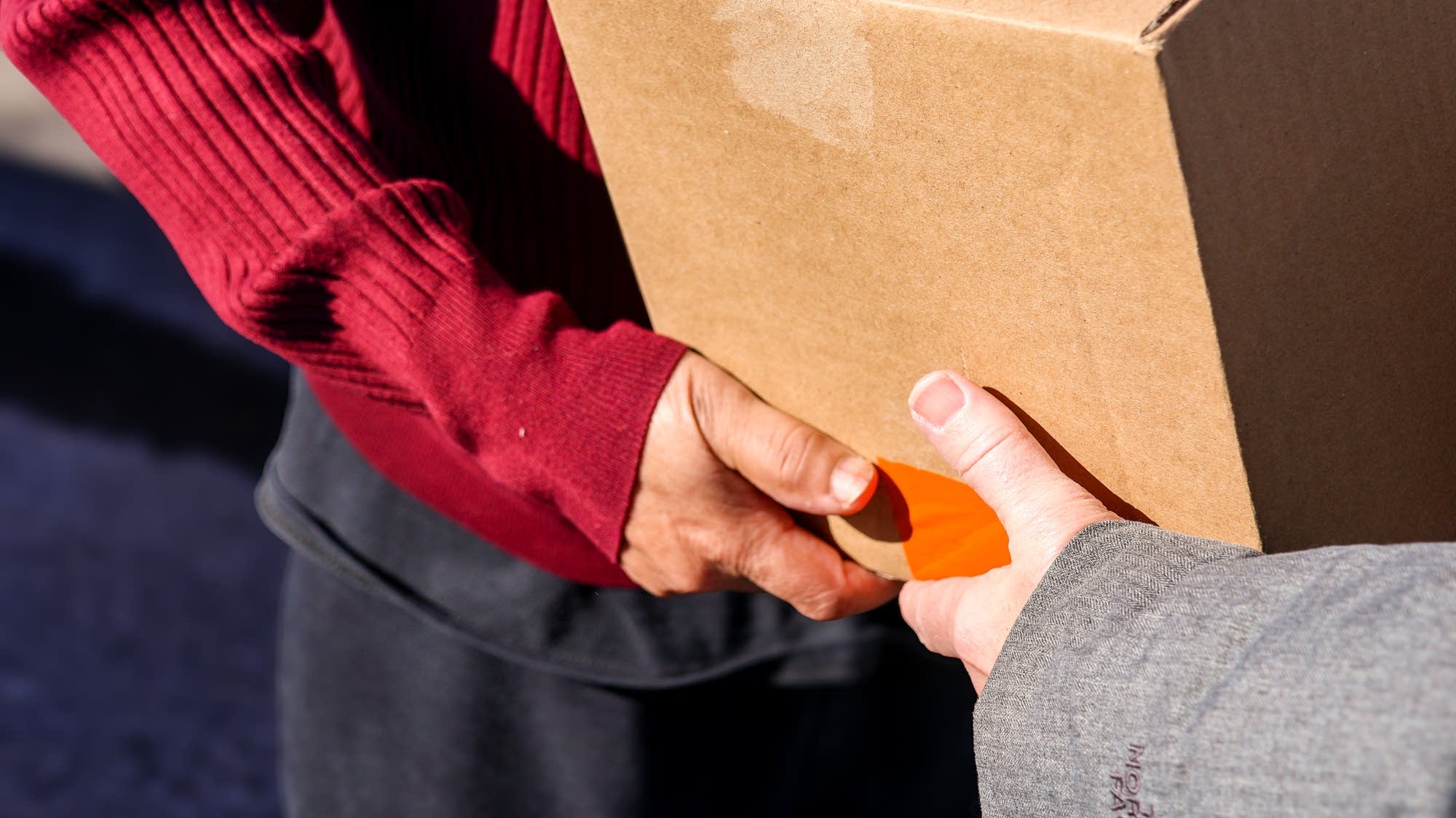
Minnesota food shelves are adapting their service models to include home delivery for immigrant populations who are afraid to leave their residences. This shift is driven by concerns over ICE activity in areas like Mankato, which prevents individuals from accessing traditional food shelf locations. For the grocery and meal delivery sector, this highlights a growing niche for specialized, community-based logistics aimed at vulnerable or homebound populations.
Food shelves in Minnesota, including those in the Mankato area, are transitioning from traditional walk-in models to active grocery delivery services. This change is specifically designed to reach immigrant clients who are currently in hiding or otherwise unable to leave their homes. The primary driver for this shift is the fear of Immigration and Customs Enforcement (ICE) activity, which has created significant barriers to food access for certain community members.
Sarah Beiswanger, a 55-year-old resident of Mankato, is among those facilitating these deliveries. By bringing boxes of groceries directly to clients' doors, volunteers and organizations are ensuring that essential supplies reach those who are effectively homebound by external social and political pressures. This logistical pivot reflects a broader trend in the charitable food sector to mirror commercial delivery services to meet urgent, localized needs.
While the scale of these operations is focused on humanitarian aid, the move underscores the critical role of last-mile delivery in the modern food ecosystem. For the wider grocery and meal delivery industry, these developments demonstrate how delivery services can serve as a lifeline for populations excluded from traditional retail or distribution points. The reliance on individual couriers like Beiswanger to navigate sensitive environments highlights the importance of trust and community-specific knowledge in delivery operations.
Summary generated by RabbitReport AI from public reporting. The full article and original reporting belong to MPR News.