Minneapolis Church Delivers 12,000 Grocery Boxes to Families in Hiding
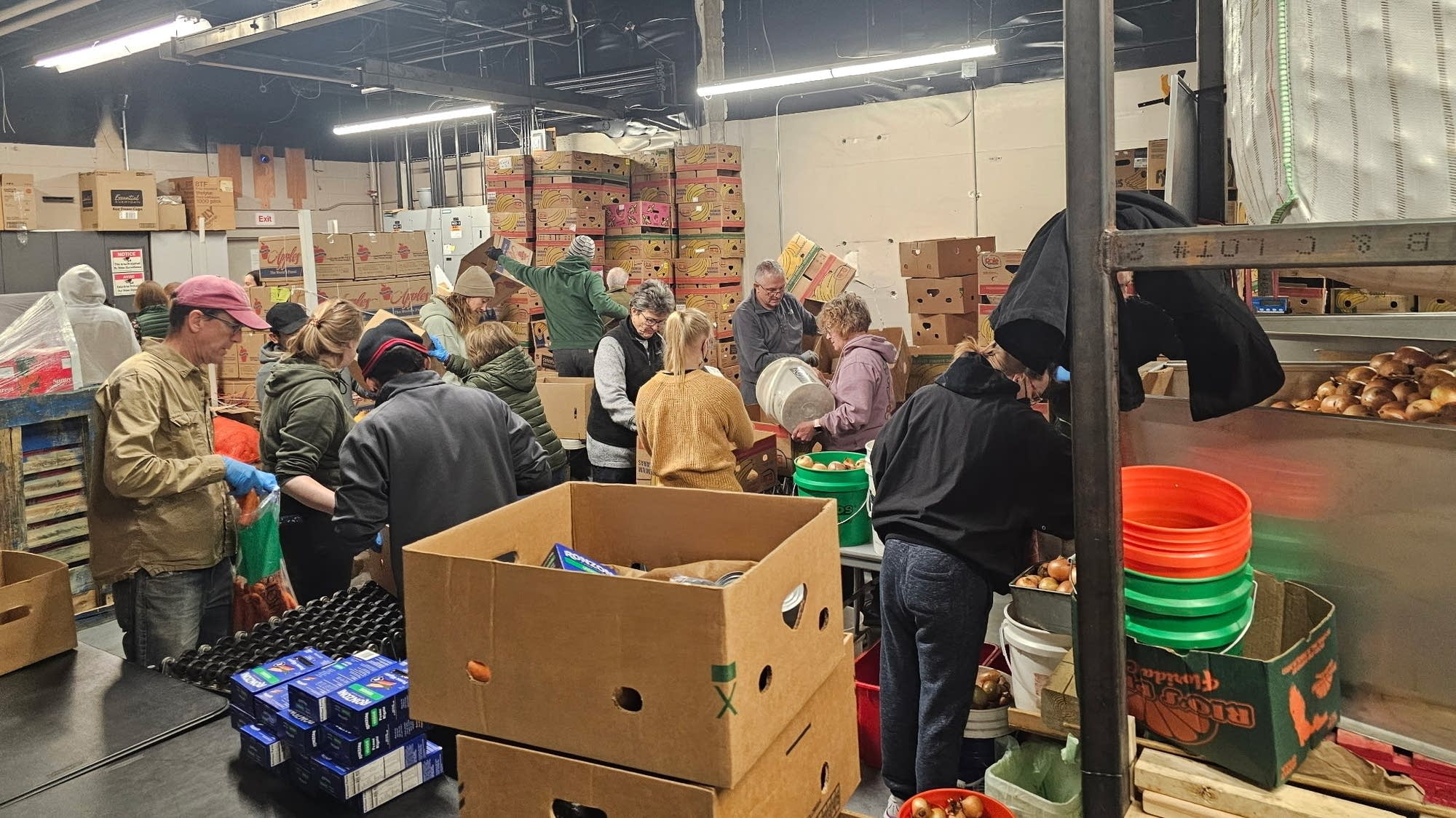
DHH Church in south Minneapolis has successfully distributed over 12,000 boxes of groceries to local families who are currently afraid to leave their homes. This grassroots delivery initiative highlights the critical role of community-based logistics in reaching vulnerable populations that may be underserved by traditional commercial grocery channels. The scale of the operation, powered by thousands of volunteers, demonstrates a significant mobilization of resources to address food insecurity and safety concerns in the region.
DHH Church, located in south Minneapolis, has reached a major milestone by delivering more than 12,000 grocery boxes to residents in need. The program is specifically designed to support families who are currently in hiding or otherwise fearful of leaving their residences to secure essential supplies. By establishing a direct-to-door delivery model, the church has created a vital lifeline for a demographic that is effectively cut off from traditional physical grocery stores and standard retail environments.
The logistical success of this massive undertaking is attributed to the mobilization of thousands of volunteers who have gathered at the church to pack and prepare the grocery deliveries. This high volume of volunteer participation has allowed the organization to scale its operations to meet the urgent needs of the South Minneapolis community without the overhead costs typically associated with commercial meal delivery platforms. The church serves as a central hub for the packing process, coordinating the flow of goods from the facility to the doorsteps of thousands of fearful residents.
For the broader grocery and meal delivery sector, this initiative underscores the importance of hyper-local delivery networks and the role of trust in service adoption. The church's ability to reach 12,000 households highlights a specific market segment—those facing social or safety-related barriers to food access—that requires specialized, sensitive delivery solutions. This operation serves as a significant case study in how non-profit entities can augment the food distribution landscape during periods of community instability, ensuring that essential goods reach the most isolated consumers.
Summary generated by RabbitReport AI from public reporting. The full article and original reporting belong to MPR News.