Report: 36% of Fleet Managers Are Delaying Replacements
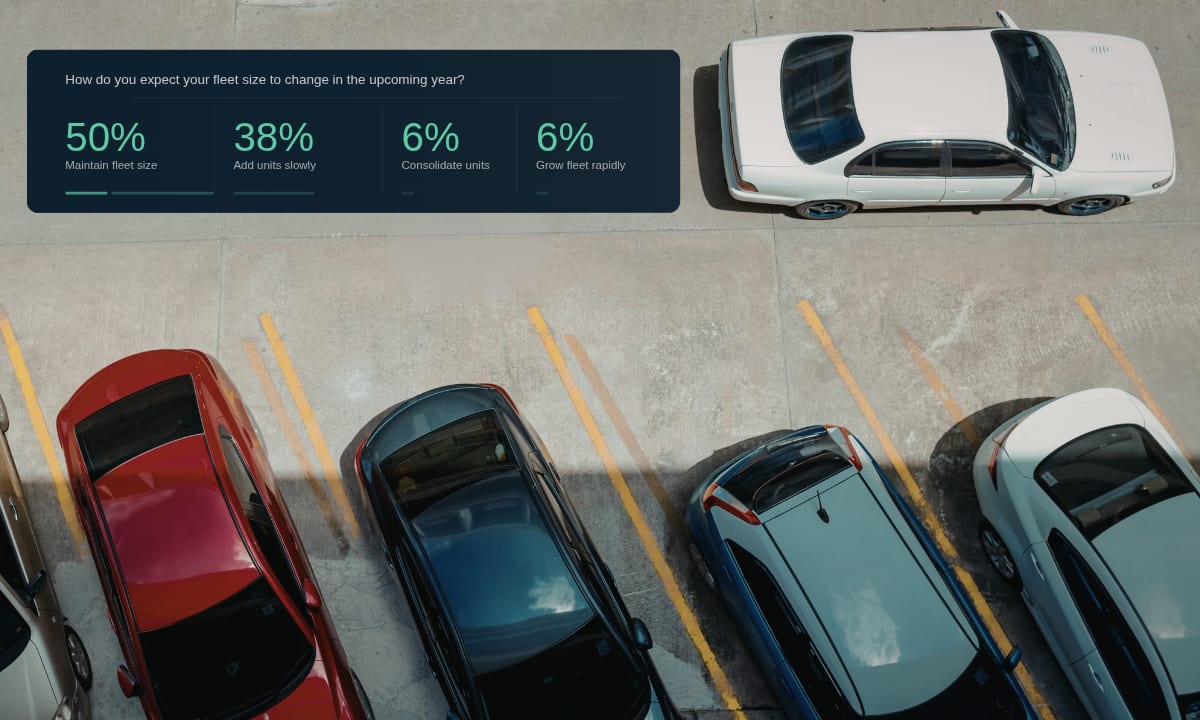
Element Fleet Management’s 2026 Market Pulse Report reveals that 36% of North American fleet managers are extending vehicle lifecycles to combat rising costs and tariff-driven volatility. While cost control has become the primary objective for 78% of respondents, most fleets still intend to maintain or gradually grow their total vehicle counts rather than downsize. This shift toward longer replacement cycles presents new challenges for the sector, including increased maintenance demands and potential delays in adopting newer vehicle technologies.
According to Element Fleet Management's fifth annual Market Pulse Report, fleet managers in the U.S., Canada, and Mexico are pivotally shifting toward cost-control strategies following years of supply-chain disruptions and inflation. The report highlights that 36% of respondents are actively delaying vehicle replacements specifically due to tariff-driven cost increases. Despite these delays, the industry is not necessarily shrinking; 50% of fleets plan to maintain their current size, while 38% expect gradual growth. This suggests that extending replacement cycles has evolved from a temporary reaction into a deliberate financial strategy to manage budgets while supporting ongoing operations.
Cost savings have surged as the top priority for 2026, cited by 78% of fleets—a 17% increase over the previous year. This focus far outpaces other concerns such as driver safety (63%) and vehicle downtime management (49%). Regional data shows that Canadian and Mexican fleets are adopting extended lifecycles and revised financial models more aggressively than those in the U.S. Specifically, 30% of Canadian fleets are delaying replacements, while 20% of Mexican fleets are turning to flexible leasing and reimbursement programs. In contrast, 41% of U.S. fleets have made no changes to their replacement strategies despite the macroeconomic pressure.
The report indicates a cautious approach to both digital transformation and electrification. While 53% of fleets are exploring AI, primarily for monitoring driver behavior (67%) and tracking costs (61%), adoption is hindered by a lack of expertise and data security concerns. The transition to electric vehicles (EVs) remains slow and uneven, with 31% of managers stating that electrification is not currently a strategic priority. Instead, 60% of fleets are looking toward hybrids and alternative fuel vehicles as a bridge to address charging infrastructure gaps and total cost of ownership concerns while still managing aging internal combustion engine assets.
Summary generated by RabbitReport AI from public reporting. The full article and original reporting belong to Automotive Fleet.