Fleet Management Operations: The Engine That Keeps Raleigh Running
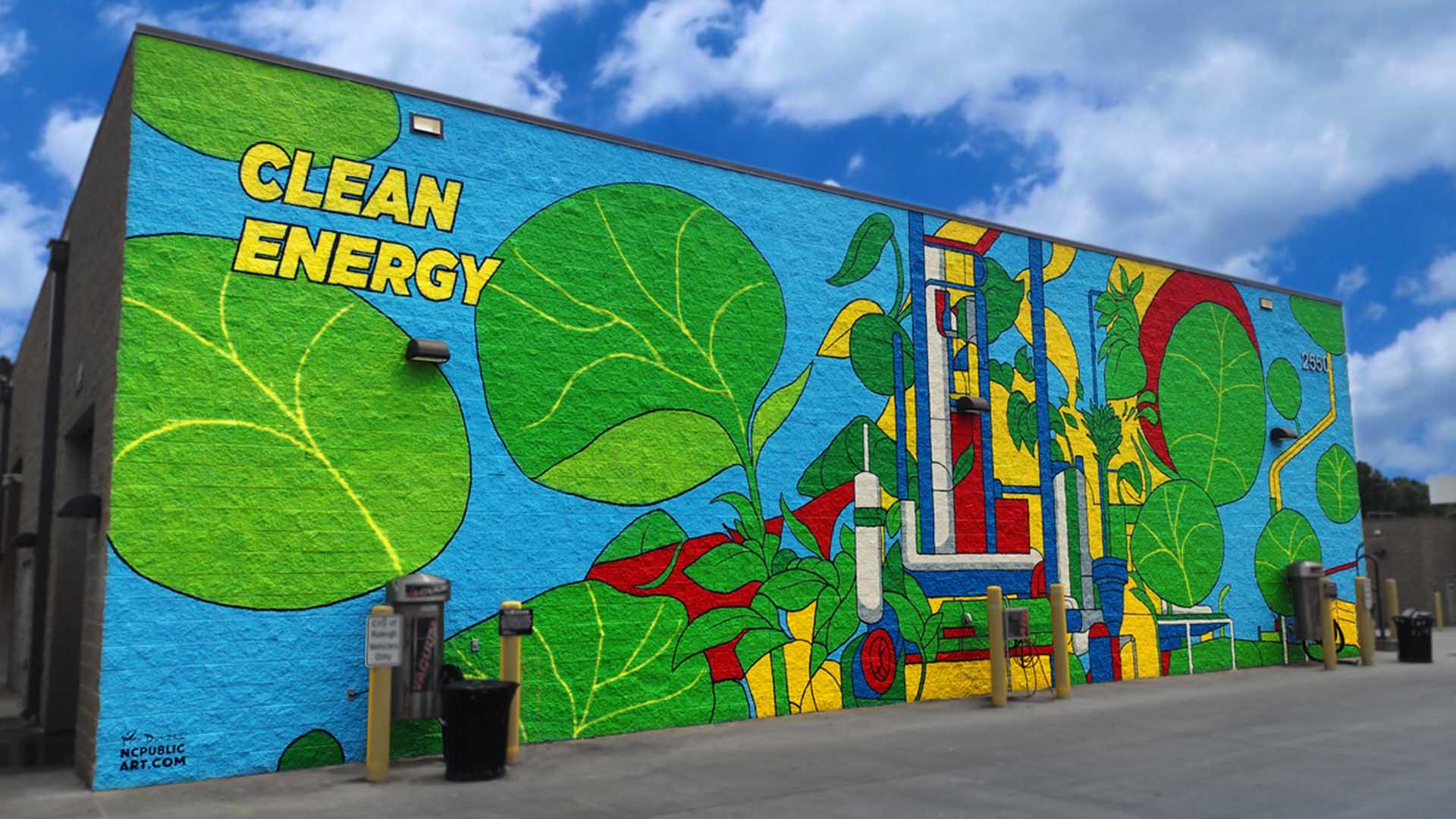
The City of Raleigh’s Fleet Management Operations is expanding its sustainability initiatives through a new grant aimed at converting municipal vehicles to renewable propane. Managing over 4,700 assets, the department oversees a diverse range of equipment from police vehicles to heavy machinery while maintaining a focus on cost-efficiency and carbon reduction. This latest project supports the city’s broader climate action strategy to reduce community greenhouse gas emissions by 80 percent by 2050.
Raleigh’s Fleet Management Operations oversees a massive inventory of more than 4,700 assets, including 2,500 road vehicles, mowing machines, and heavy equipment essential for city services. Fleet Operations Manager Rick D. Longobart leads a team that manages seven dedicated fuel stations and five car washes to support departments ranging from public safety to park maintenance. By leveraging state contract pricing for over two million gallons of fuel annually, the city realizes significant cost savings of $1 to $1.25 per gallon compared to commercial rates.
The city has made substantial progress in diversifying its energy sources, with 28 percent of its road fleet currently comprised of hybrid or electric vehicles. To support this transition, Fleet Management is spearheading charging infrastructure development, recently installing the city’s first owned and operated 200-kW Direct Current Fast Charger (DCFC) at the Westinghouse Blvd fueling hub. These efforts are part of a strategic push to modernize the fleet while meeting rigorous environmental standards.
A new $57,909 Clean Fuel Advanced Technology grant from the NC Clean Energy Technology Center, paired with a $35,400 match from the Parks and Cultural Resources Department, will fund the conversion of 10 pickup trucks to renewable propane. This plant-based fuel, derived from vegetable oils and fats, offers a lower-emission alternative to traditional fossil fuels. These trucks will join 94 existing city assets already utilizing renewable propane, including a garbage truck and six flatbed dump trucks, as Raleigh works toward its long-term goal of an 80 percent reduction in greenhouse gas emissions by 2050.
Summary generated by RabbitReport AI from public reporting. The full article and original reporting belong to RaleighNC.gov.