Boost Business with Smart Fleet Policies
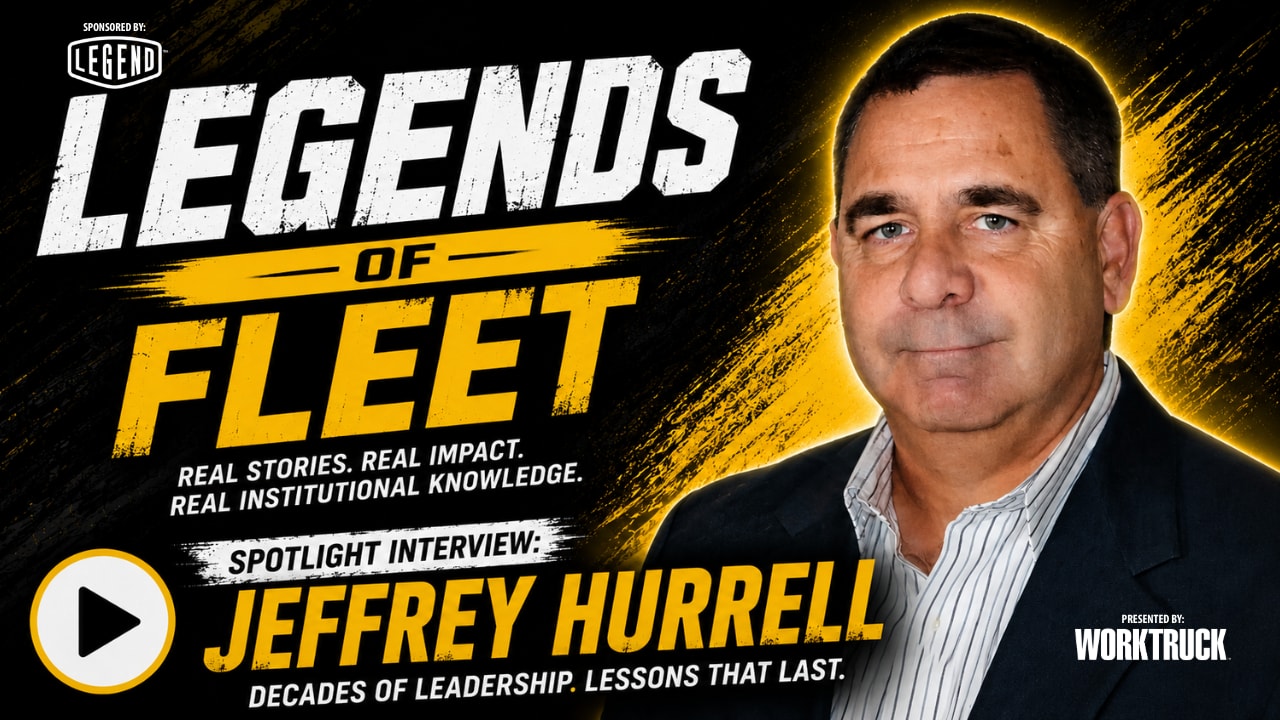
Fleet industry veteran Jeffrey Hurrell highlights the critical distinction between day-to-day fleet management and strategic fleet leadership in a recent industry interview. By implementing robust fleet policies and long-term strategies, organizations can achieve significant improvements in operational efficiency, safety, and cost reduction. These insights are particularly relevant for fleet professionals looking to align their vehicle operations with broader corporate objectives and leverage emerging technologies effectively.
Jeffrey Hurrell, drawing from decades of experience in commercial leasing, finance, and corporate leadership, emphasizes that the transition from a fleet manager to a fleet leader requires a shift from operational tasks to long-term strategic planning. While managers focus on the daily requirements of keeping vehicles on the road, leaders implement comprehensive policies that drive continuous improvement and align fleet performance with overall business goals. This approach is essential for navigating industry changes and ensuring that the fleet contributes directly to the organization's bottom line.
According to Hurrell, strong fleet policies serve as the foundation for streamlining operations and enhancing vehicle utilization. He advocates for the use of data analytics to gain insights into vehicle performance and driver behavior, allowing for evidence-based decision-making rather than relying on long-standing assumptions. However, he cautions that technology—including telematics, predictive analytics, and artificial intelligence—should be utilized to support smarter decisions rather than merely accumulating data, ensuring that every technological investment serves a clear operational purpose.
To achieve operational excellence, Hurrell suggests that fleet leaders must foster a culture where employees are engaged and empowered to contribute to the organization's success. By anticipating future challenges and leveraging strategic planning, fleets can remain competitive in an evolving market. Hurrell’s career, which included managing one of North America's largest fleets, serves as a blueprint for the next generation of professionals to focus on innovation, safety, and the integration of fleet strategy into the broader corporate framework.
Summary generated by RabbitReport AI from public reporting. The full article and original reporting belong to Work Truck Online.