West Virginia’s Delay in Clothing Voucher Program Heightens Concerns for Needy Families
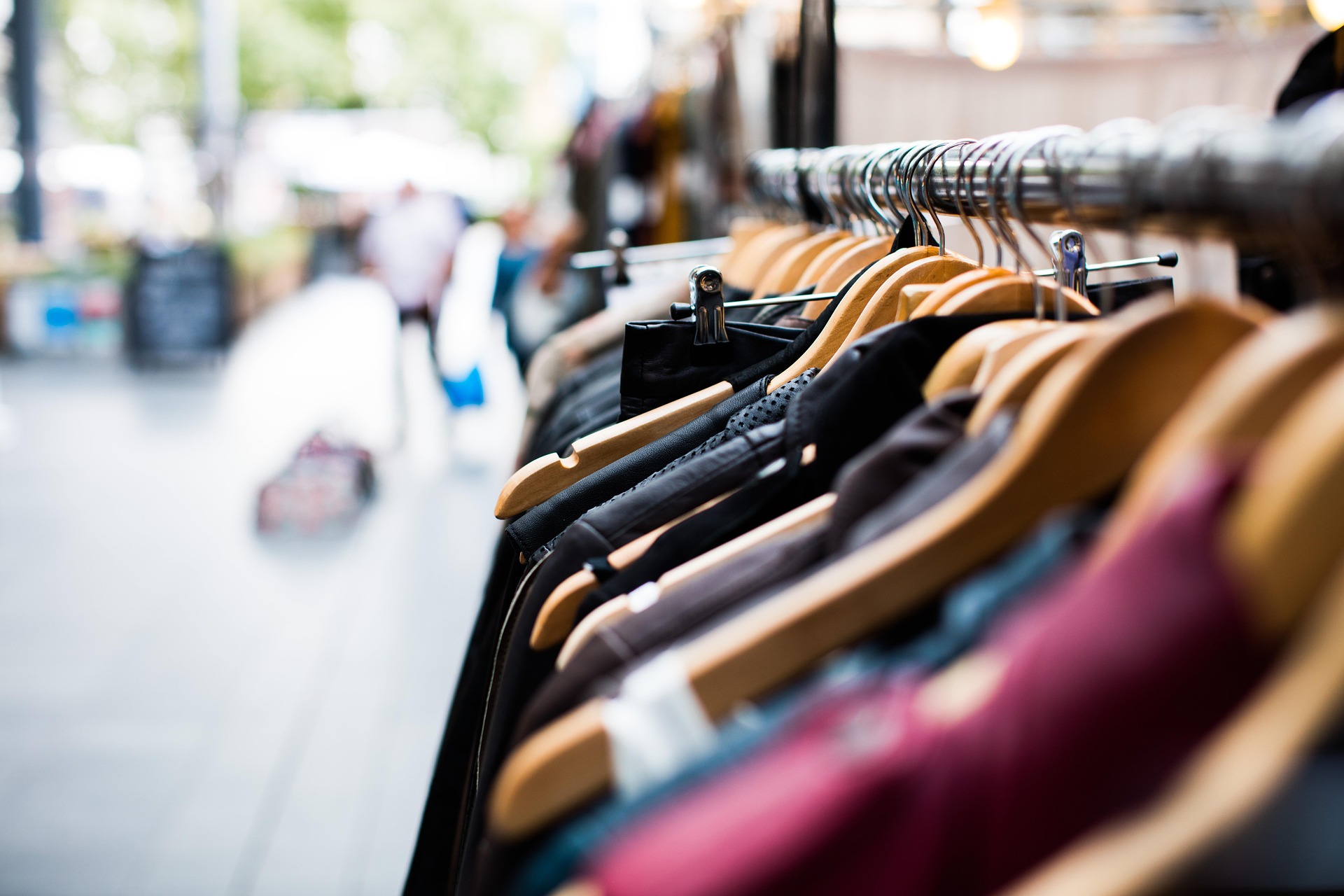
West Virginia has delayed the launch of its annual School Clothing Allowance program, a move that impacts more than 80,000 low-income children who rely on the vouchers for back-to-school essentials. The program, which typically begins on July 1, provides funding for basic apparel items including shirts, pants, shoes, and coats. This delay creates significant uncertainty for the regional retail sector and low-income households as the academic year approaches, potentially disrupting seasonal sales patterns for basic apparel.
The West Virginia Department of Human Services has yet to release details or a start date for the School Clothing Allowance, a program that traditionally enables over 80,000 children to purchase essential school attire starting July 1. This initiative covers a wide range of basic goods, including pants, shirts, skirts, dresses, shoes, coats, and underwear. The delay comes despite the state legislature approving $177 million in Temporary Assistance for Needy Families (TANF) funding, which supports the voucher program. Governor Patrick Morrisey’s administration previously noted a $40 million spending gap in TANF funds, yet the state simultaneously reported a $370 million revenue surplus at the end of the fiscal year.
Advocacy groups and community leaders have expressed frustration over the lack of communication from the administration regarding the funding release. Jim McKay, director of Prevent Child Abuse West Virginia and chairman of the Legislative Action Team for Children and Families, called for the immediate release of funds, stating that the delay creates "needless uncertainty" for families. Mark Phillips, CEO of Catholic Charities West Virginia, emphasized that these vouchers are not a luxury but a necessity for children to attend school with dignity. Delegate Evan Worrell, chairman of the House Committee on Health and Human Resources, also voiced confusion, noting that the legislature provided the funding requested by the governor and that the state has already committed to federal authorities that TANF funds would be used for this purpose.
For the fashion and apparel market in West Virginia, the delay disrupts the typical back-to-school shopping cycle for a significant demographic. Parents like Jessica Huggins and Amanda Armstrong reported that they are unable to budget for or purchase necessary adult-sized and children's clothing without the vouchers, which are critical as school begins in approximately six weeks. While organizations like Catholic Charities attempt to provide some support, they cannot fully replace the scale of the state-funded program. This disruption affects not only the families' ability to secure basic garments but also the predictable seasonal demand for retailers specializing in affordable school-ready apparel.
Summary generated by RabbitReport AI from public reporting. The full article and original reporting belong to WV MetroNews.