UN Protests Arrests of Afghan Women Over Alleged Clothing Violations
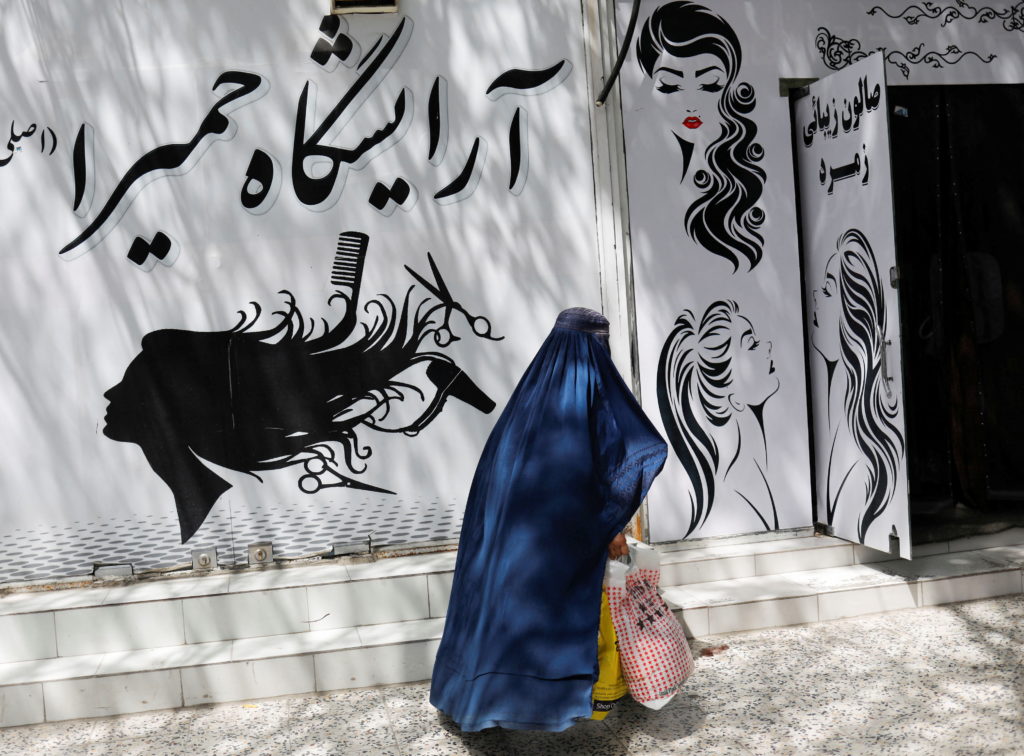
The United Nations Assistance Mission in Afghanistan has raised alarms over the recent arrests and detentions of women in Herat for allegedly violating strict dress code regulations. These enforcement actions, which follow a series of draconian restrictions imposed by the Taliban since 2021, mandate the use of full-body hijabs and face coverings in public spaces. For the global fashion and apparel sector, these developments highlight the extreme regulatory risks and human rights crises that can dictate garment standards and restrict consumer access in volatile regions.
The United Nations Assistance Mission in Afghanistan (UNAMA) reported that women in the western city of Herat have been detained for failing to adhere to the de facto authorities' regulations on public attire. While the UN did not provide specific numbers, an anonymous human rights monitor verified at least 16 arrests since Friday, including that of a pregnant woman. These detentions reportedly began shortly after imams in Herat mosques announced, on behalf of the Ministry for the Propagation of Virtue and the Prevention of Vice, that women were prohibited from leaving their homes without wearing a hijab.
In response to the reports, the Taliban’s Ministry for the Propagation of Virtue and the Prevention of Vice dismissed the claims of arrests as 'rumors.' However, the ministry simultaneously reaffirmed that the hijab is a 'divine command' and a law that the government is 'obliged to implement.' Current government regulations are highly specific, requiring women to wear a full hijab and a face covering that leaves only the eyes visible. To comply with these mandates, many Afghan women have reportedly resorted to using medical face masks, similar to those worn during the COVID-19 pandemic, as a functional component of their daily attire.
These enforcement measures are part of a broader suite of restrictive policies implemented since the Taliban seized power in 2021 following the withdrawal of U.S.-led forces. Beyond clothing mandates, the authorities have banned women from education beyond primary school and restricted their participation in nearly all professional sectors. For the apparel industry, these developments represent the total state control of the garment sector, where clothing is used as a primary tool for social and legal suppression. The UN has reminded the authorities that all individuals are entitled to equality before the law and freedom of movement, highlighting the ongoing humanitarian crisis affecting the region's social and economic fabric.
Summary generated by RabbitReport AI from public reporting. The full article and original reporting belong to PBS.