Beyond Lithium: New Battery Tech Starts to Break Through
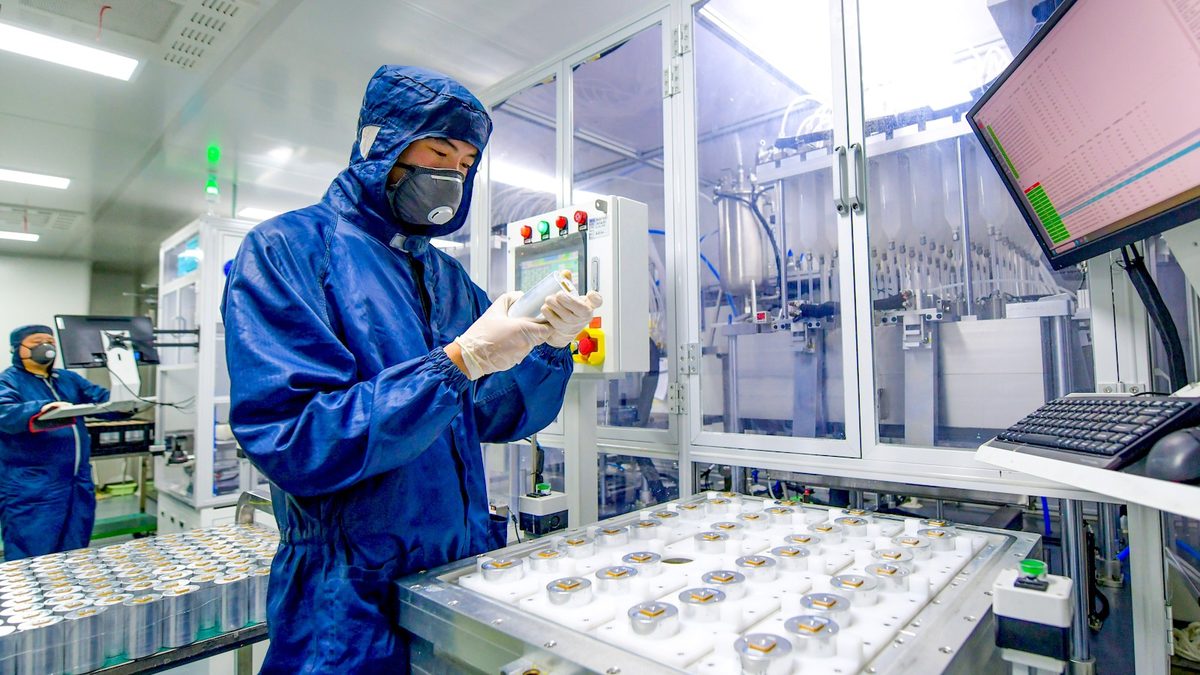
The energy storage market is experiencing unprecedented growth, with battery-related innovations accounting for over 40 percent of energy patents in 2024. While lithium-ion remains the dominant technology for electric vehicles and grid storage, emerging chemistries like sodium-ion and solid-state batteries are beginning to transition from laboratories to commercial markets. This diversification is essential as global demand for energy storage scales to support a projected 20 million electric vehicle sales and massive expansions in solar farm capacity.
The battery sector is undergoing a period of rapid evolution driven by a fortyfold increase in demand since 2010, primarily fueled by the electric vehicle (EV) boom and the need for grid-scale storage. According to Teo Lombardo of the International Energy Agency, the intensity of innovation is reflected in the fact that nearly half of all energy patents are now battery-focused. While lithium-ion technology has seen its energy density triple and costs drop tenfold since 1991, the market is now shifting toward specialized chemistries to address different price points and performance requirements.
Sodium-ion batteries have emerged as a significant contender, particularly for budget EVs and stationary grid applications where weight is less critical than cost. Although sodium atoms are heavier and larger than lithium, resulting in approximately 30 percent lower energy density, they offer advantages such as better performance in cold temperatures and reliance on more abundant materials. China is currently leading the commercialization of this tech, with companies like Namey New Energy Technology and CATL involved in the rollout of the first mass-produced sodium-ion vehicles, such as the Changan Nevo A06.
Within the existing lithium-ion market, a transition is already underway from nickel manganese cobalt (NMC) chemistries to lithium iron phosphate (LFP) variants. LFPs are increasingly favored because they contain fewer critical metals, offer better thermal stability, and allow for faster charging times, with some cells reaching full charge in 10 minutes. Jagjit Nanda of the SLAC-Stanford Battery Center emphasizes that the future of the industry lies in a symphony of cooperating technologies, where solid-state batteries serve high-end luxury ranges while sodium and LFP chemistries provide the scale needed for mass-market adoption and renewable energy integration.
Summary generated by RabbitReport AI from public reporting. The full article and original reporting belong to Yale E360.