Shell Unveils EV Concept with Battery Tech That Could Slash Charging Times
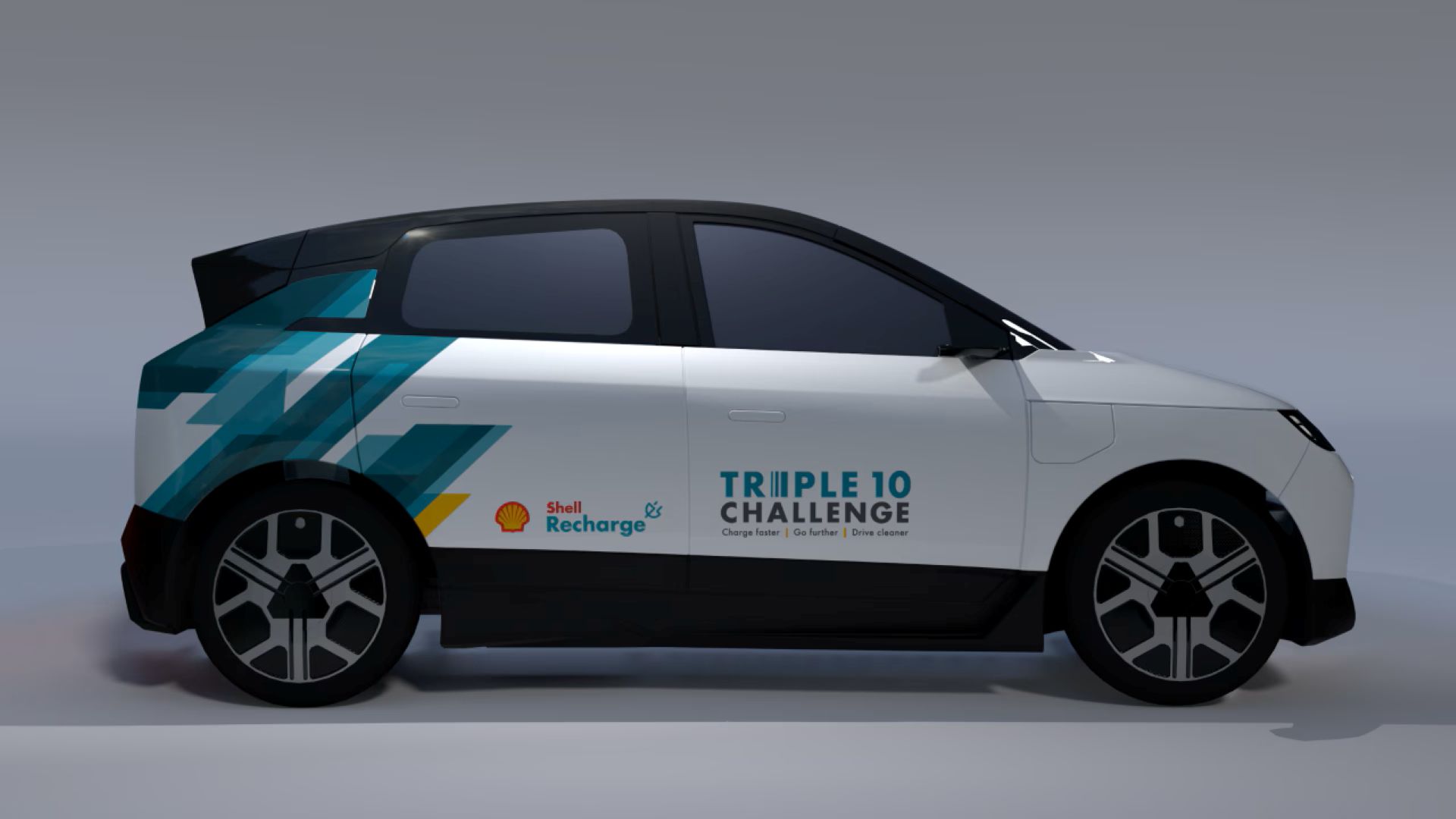
Shell has introduced the Triple 10 Challenge Concept, a city-sized electric vehicle designed to demonstrate a novel immersion cooling system for batteries. By utilizing a nonconductive dielectric fluid that directly surrounds battery cells, the technology aims to manage heat more effectively during high-speed charging. This development is significant for the electric vehicle sector as it addresses thermal management challenges that currently limit charging speeds and battery efficiency.
The Triple 10 Challenge Concept serves as a specialized testbed for Shell’s new approach to battery thermal management, moving away from traditional indirect cooling methods. The system employs a "dielectric fluid"—a nonconductive liquid that can safely surround high-voltage components—to pull heat away from battery cells more rapidly than conventional setups. This direct contact is particularly crucial during fast-charging sessions, where rising temperatures typically force charging speeds to taper off to protect the battery's integrity.
Shell reports that this technological shift could lead to substantial performance gains, including the ability to charge from 10% to 80% in less than 10 minutes using a 175-kilowatt charger. This equates to adding approximately 15 miles of range per minute of charging. Furthermore, the concept car achieves an efficiency rating of 6.2 miles per kilowatt-hour and is projected to reduce its total carbon footprint by half when compared to contemporary European electric vehicles.
Rather than entering the automotive manufacturing market, Shell intends for this concept to act as a demonstration for automakers to adopt its cooling technology. Improved thermal management directly impacts battery longevity and driving efficiency, potentially leading to lighter and simpler cooling systems that reduce overall vehicle costs. By maintaining lower temperatures under heavy use, vehicles can sustain high charging power for longer durations, which would significantly shorten necessary charging stops during long-distance travel.
Industry reactions to the concept have been mixed, with some observers raising questions regarding the long-term durability and safety of the dielectric fluid. While skeptics expressed concerns about potential flammability in the event of a severe collision, proponents noted that such fluids are highly resistant to acting as a fire catalyst. Additionally, supporters pointed out that modern battery coolants are typically designed to last at least 100,000 miles, suggesting that Shell’s technology would likely meet or exceed current industry standards for reliability.
Summary generated by RabbitReport AI from public reporting. The full article and original reporting belong to The Cool Down.