Utah State University Is Building Roads That Charge Cars As They Drive
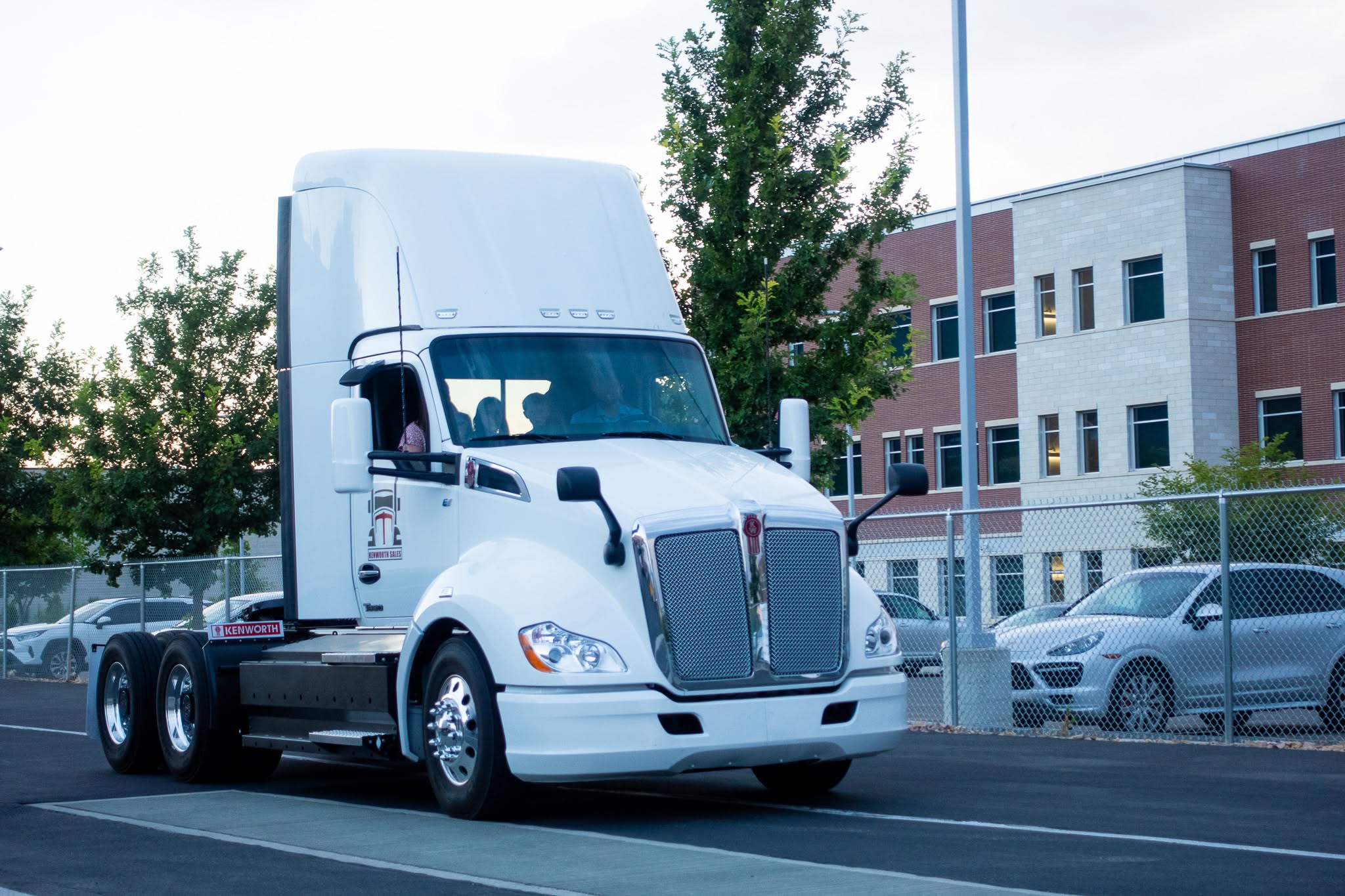
Researchers at Utah State University’s ASPIRE center are developing and testing dynamic wireless charging technology that allows electric vehicles to charge while in motion. By embedding charging coils beneath the pavement, the project aims to reduce the need for large, heavy batteries in commercial trucks and eliminate downtime spent at stationary charging stations. This innovation is critical for the electric vehicle sector as it addresses range anxiety and infrastructure challenges, potentially accelerating the adoption of heavy-duty electric freight.
Led by the ASPIRE (Advancing Sustainability through Powered Infrastructure for Roadway Electrification) Engineering Research Center at Utah State University, the project utilizes inductive charging principles to transfer electricity from coils embedded approximately six inches beneath the road surface to receivers on moving vehicles. The initiative has secured over $100 million in commitments, including a $25 million grant from the National Science Foundation and $15 million from the Utah Legislature. Researchers like Mahmoud Ali are currently testing specialized concrete mixtures designed to protect these embedded components from weather and traffic stress while maintaining structural integrity, ensuring the road can withstand years of use without shattering.
The technology's primary initial target is the freight industry, where heavy-duty electric semi-trucks currently face significant weight and cost penalties due to massive battery requirements. ASPIRE Director Regan Zane notes that a 500-mile range battery can weigh over 20,000 pounds and cost upwards of $150,000; however, dynamic charging allows for smaller batteries and continuous operation. A fully electrified quarter-mile test track is already operational at the Utah Inland Port in Salt Lake City, where industry partners such as Honda, Electreon, Enrx, and Purdue are evaluating the system's performance under real-world driving conditions to prove that fast-charging solutions for heavy-duty vehicles are viable.
Beyond technical development, the project is establishing the first-ever permitting processes and construction standards for electrified roadways in collaboration with Salt Lake City officials. This regulatory groundwork is intended to create a scalable pathway for future public infrastructure projects as Utah prepares for an estimated 500,000 EVs by 2035. By alternating segments of electrified road with conventional pavement—potentially five miles of charging for every 10 to 15 miles of road—the center aims to provide a consistent power supply that keeps electric trucks moving, reduces long-term transportation costs, and improves public health through cleaner air.
Summary generated by RabbitReport AI from public reporting. The full article and original reporting belong to The Business Download |.