Trump expected to meet with defense contractors Wednesday amid Iran peace talks
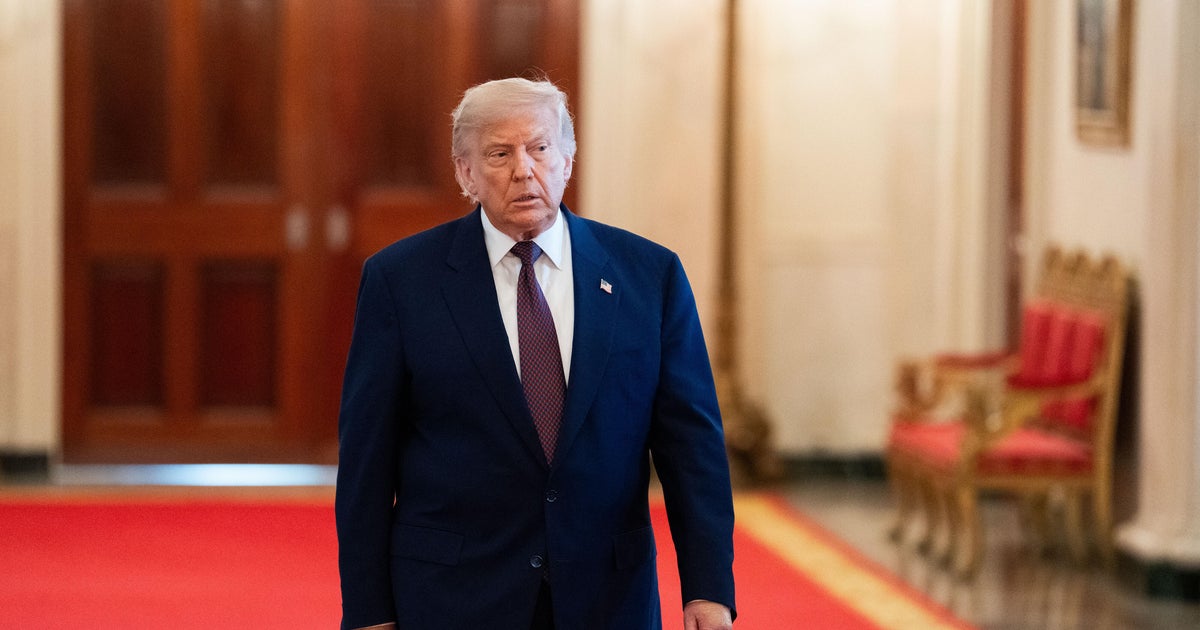
President Trump is scheduled to meet with executives from major U.S. defense contractors this Wednesday to discuss production priorities and manufacturing capabilities. The meeting occurs against the backdrop of ongoing peace negotiations with Iran and follows a similar high-level gathering held in March. This engagement underscores the administration's continued push for the defense industrial base to prioritize contract delivery and capacity expansion over shareholder returns.
The upcoming meeting includes leaders from the nation's largest defense firms, including Lockheed Martin, RTX, BAE Systems, Boeing, Honeywell Aerospace, L3Harris, and Northrop Grumman. This session serves as a follow-up to a March 6 White House meeting where the administration emphasized the need to accelerate production to support the Department of War. Sources indicate that the president intends to specifically question Northrop Grumman regarding its recent financial activities, as the administration continues to monitor how these firms balance internal investment with investor payouts.
Central to the discussions is a January executive order issued by President Trump aimed at curtailing defense contractor dividend payments and stock buybacks. While RTX and Lockheed Martin have halted buybacks, Northrop Grumman and RTX both increased their shareholder dividends by approximately 7% in May, and Northrop Grumman conducted a small buyback earlier this year. In contrast, Boeing has not engaged in share buybacks or issued dividends since 2020. These financial decisions are under scrutiny as Congress considers codifying restrictions on such payouts into law to ensure capital is directed toward industrial capacity.
The meeting also follows the president's recent invocation of the Defense Production Act to address what he described as "systemic constraints" within the munitions industrial base. In a June 11 memo to Defense Secretary Pete Hegseth, the president highlighted limited production capacity, fragile supply chains, and production bottlenecks as significant risks to national defense. By leveraging the Act, the administration seeks to ramp up weapons production and sustain the availability of missiles and equipment, signaling a more interventionist approach to managing the defense supply chain during a period of heightened diplomatic activity with Iran.
Summary generated by RabbitReport AI from public reporting. The full article and original reporting belong to CBS News.