NATO to announce ‘tens of billions’ of dollars for new defense contracts: Rutte
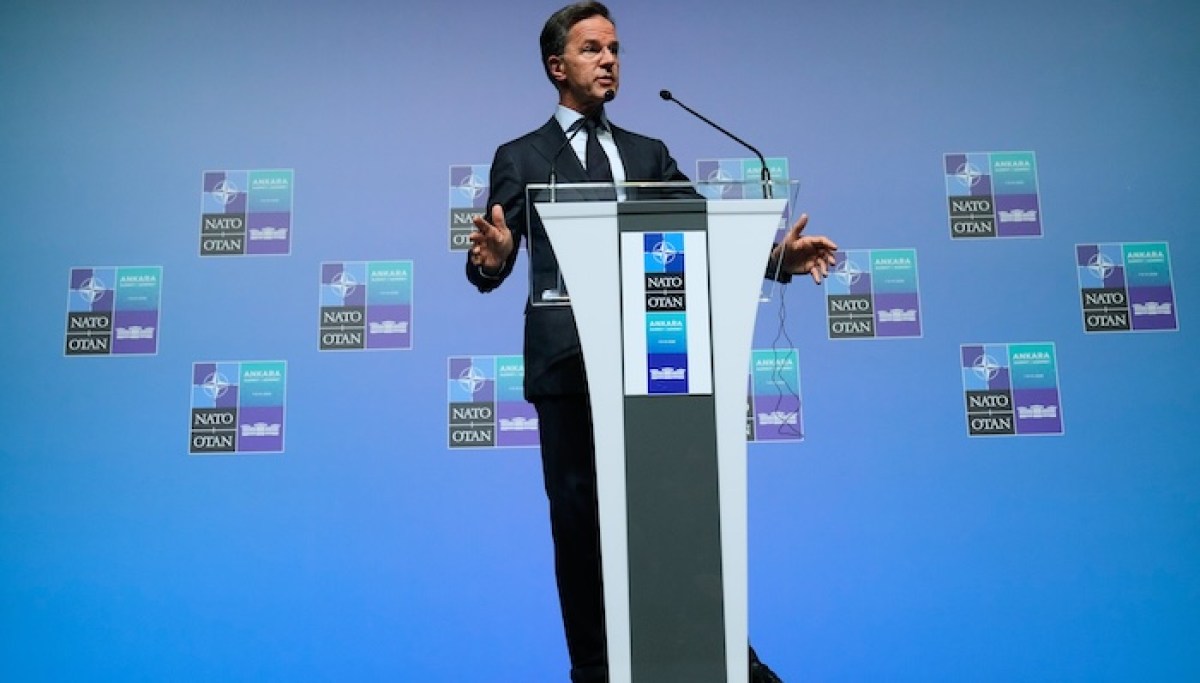
NATO Secretary-General Mark Rutte has announced that the alliance will unveil tens of billions of dollars in new defense contracts during its summit in Ankara, Turkey. This procurement push is part of a broader shift toward "NATO 3.0," which requires member states to increase their defense spending to a new 5% GDP minimum by 2035. These developments signal a massive, long-term expansion of the defense industrial base as European and Canadian allies move to take on a larger share of collective security responsibilities.
During a press conference ahead of the Ankara summit, Secretary-General Mark Rutte detailed plans to showcase how the alliance is collaborating with the private sector to bolster credible deterrence and defense. The upcoming NATO summit defense industry forum is expected to serve as the launchpad for tens of billions of dollars in new procurement contracts. Rutte emphasized that these investments will span the transatlantic industrial base—from Arkansas to Ankara—aiming to increase supply chain capacity and support hundreds of thousands of jobs while driving innovation in military technology.
The alliance is currently transitioning toward a "NATO 3.0" framework, with Rutte estimating that total defense spending will reach $258 billion across 2025 and 2026. This surge is driven by a new requirement for member states to allocate 5% of their gross domestic product to defense, a significant increase from the previous 2% target. While countries have until 2035 to meet this benchmark, U.S. Ambassador to NATO Matthew Whitaker noted that a "report card" system will be implemented to monitor progress, putting immediate pressure on nations that have only recently met the lower 2% threshold.
This shift in spending occurs against a backdrop of changing U.S. military priorities and political pressure from President Donald Trump, who has frequently criticized the spending levels of European allies. The Pentagon is currently conducting a force posture review that will likely result in a reduction of long-term U.S. troop presence in Europe, necessitating that European and Canadian allies fill the resulting security gaps. For defense contractors, this realignment signals a sustained period of high demand as the Pentagon seeks to expand the American industrial base while international partners scramble to modernize their forces and meet the aggressive new spending mandates.
Summary generated by RabbitReport AI from public reporting. The full article and original reporting belong to Washington Examiner.