Mississippi’s senators again control major legislative “gates” for defense contracting
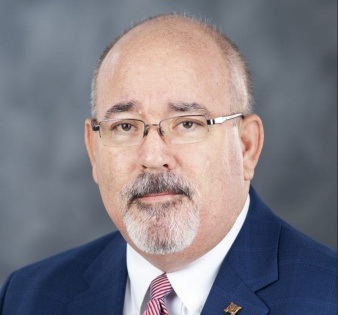
Mississippi Senators Roger Wicker and Cindy Hyde-Smith have secured leadership positions over the primary Senate committees responsible for authorizing and funding the U.S. military. Senator Wicker serves as chairman of the Senate Armed Services Committee, while Senator Hyde-Smith has been named chairman of the Senate Appropriations Committee’s Defense Appropriations Subcommittee. This consolidation of power grants the Mississippi delegation significant oversight of the National Defense Authorization Act and the subsequent allocation of federal dollars to defense programs.
The new leadership roles for Senators Wicker and Hyde-Smith establish a "one-two punch" in the legislative process, as defense programs require both authorization and funding to proceed. Senator Wicker, in his role at the Senate Armed Services Committee (SASC), oversees military policy, troop levels, and procurement programs. Senator Hyde-Smith, who succeeded the late Senator Lindsey Graham, now leads the subcommittee that approves the actual expenditures for those authorized programs. This dual control means that no defense budget or supplemental package can pass the Senate without clearing their respective committees, giving them the power to block or renegotiate legislation that might threaten Mississippi-linked programs.
The impact of this seniority is particularly significant for major defense contractors like Huntington Ingalls and other shipbuilders, which are among Mississippi’s largest employers. The senators’ influence extends beyond shipbuilding to include unmanned aerial systems, aerospace technology, and funding for military installations such as Columbus Air Force Base, Keesler, and Camp Shelby. By controlling these legislative "gates," the senators can protect specific weapons systems and procurement programs from budget cuts or policy shifts proposed by the Pentagon or the House of Representatives.
Historically, such influence has been vital for maintaining steady federal spending in the state, echoing the power once held by figures like John Stennis and Thad Cochran. For example, in 2018, Senator Cochran utilized his committee leadership to secure $1.2 billion for two Coast Guard national security cutters to be built at Ingalls in Pascagoula. However, the source notes that this clout can be transitory; while the USCGC Calhoun was commissioned in 2024, the second vessel, the USCGC Friedman, was canceled following a contract dispute after Cochran’s departure from the Senate. This highlights the critical link between committee seniority and the long-term stability of defense contracting projects.
Summary generated by RabbitReport AI from public reporting. The full article and original reporting belong to tallahatchienews.ms.