DoD class deviation leaves contractors with more questions than answers
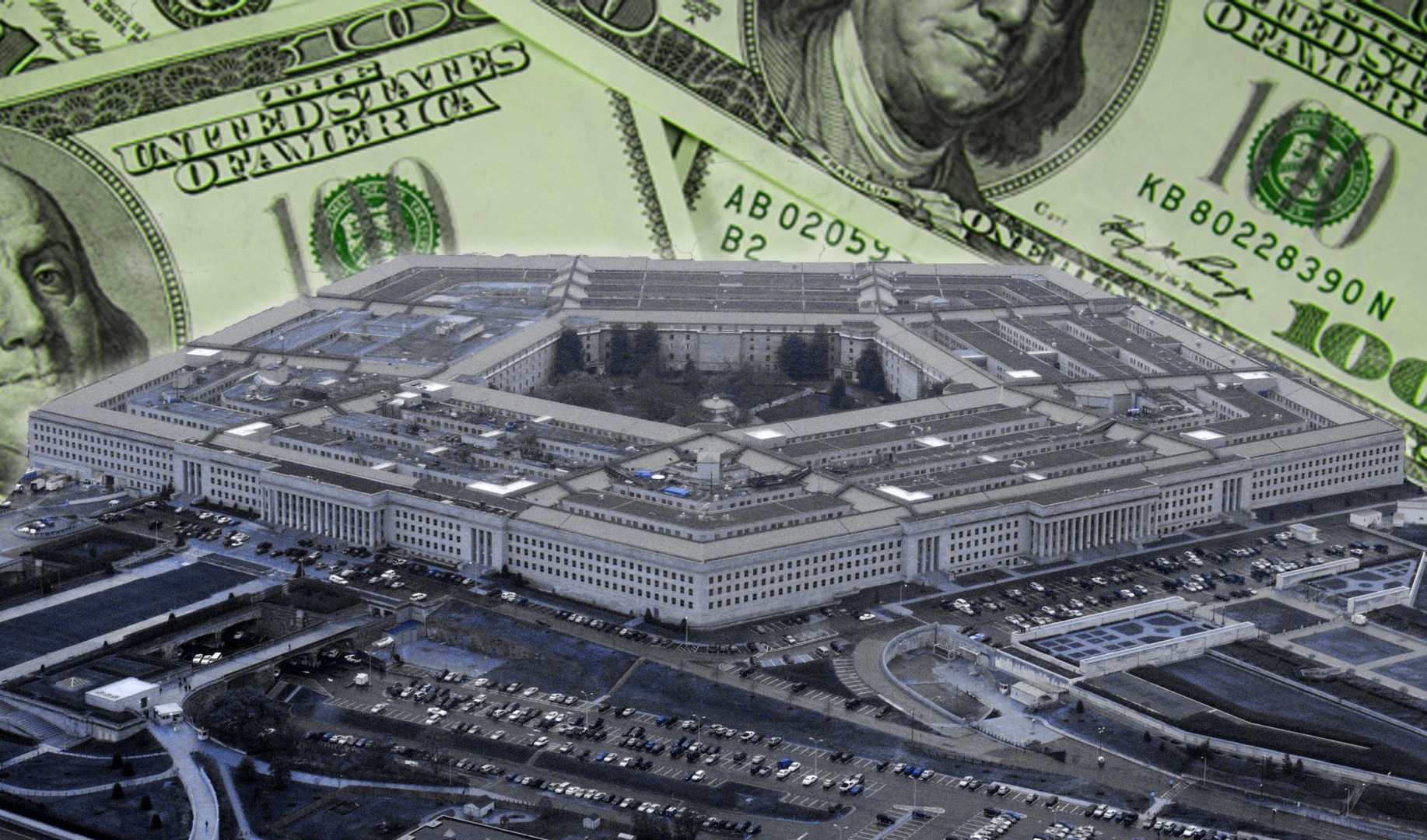
The Department of Defense has issued a class deviation to immediately implement legislative restrictions aimed at severing ties with entities supporting the Chinese military. These rules, which took effect June 30, prohibit the Pentagon from contracting with firms that employ consultants lobbying for blacklisted Chinese companies or procuring goods and services from those entities. For the defense contracting sector, the move introduces significant compliance uncertainty and potential False Claims Act risks due to ambiguous definitions and the lack of a formal notice-and-comment period.
The Defense Department’s class deviation implements Section 851 of the fiscal 2025 defense authorization bill, which targets companies designated under the Section 1260H list of Chinese military companies. While the law was intended to prevent the DoD from working with firms that retain lobbyists for these blacklisted entities, the new deviation significantly expands the scope of what constitutes a 'Chinese military company.' The definition now encompasses entities identified on the Treasury Department’s non-specially designated nationals Chinese military industrial complex list, those identified by the Commerce Department, and any companies owned or controlled by such entities.
Despite the expanded definitions, legal experts like Tracye Howard of Wiley Rein LLP note that the certification requirements remain a 'gray area.' Currently, contractors must certify they do not work with a 'covered lobbyist,' which is specifically defined as an entity lobbying for firms on the 1260H list. It remains unclear if this certification must now account for the broader categories of Chinese companies introduced by the DFARS deviation. Howard suggests that contractors must now engage in more intensive vetting of their consultants to determine if their representations need to go beyond the 1260H list to include these additional categories.
A major point of contention for industry is the lack of a clear definition for 'reasonable inquiry.' Although the law provides a safe harbor for companies that conduct such inquiries to determine if a consultant is a covered lobbyist, neither the legislation nor the class deviation specifies what steps satisfy this requirement. Contractors are currently left to decide for themselves whether obtaining representations, reviewing public lobbying disclosures, or checking Foreign Agents Registration Act filings is sufficient. This ambiguity is particularly concerning because submitting a proposal acts as a certification of compliance, potentially exposing contractors to False Claims Act litigation if their vetting processes are later deemed inadequate.
The issuance of the class deviation follows multiple delays in the formal Defense Federal Acquisition Regulation Supplement (DFARS) rulemaking process. By moving directly to a deviation, the Pentagon bypassed the typical notice-and-comment period, leaving industry stakeholders without a chance to provide input before the restrictions took effect. While Howard anticipates a future notice-and-comment process as part of a larger DFARS overhaul, the current rules are in immediate effect, forcing contractors to navigate these new compliance hurdles and the associated legal risks without further guidance from rulemakers.
Summary generated by RabbitReport AI from public reporting. The full article and original reporting belong to Federal News Network.