Dallas’ Digital Creator Economy Is Booming, But Burnout and Mental Health Challenges Persist
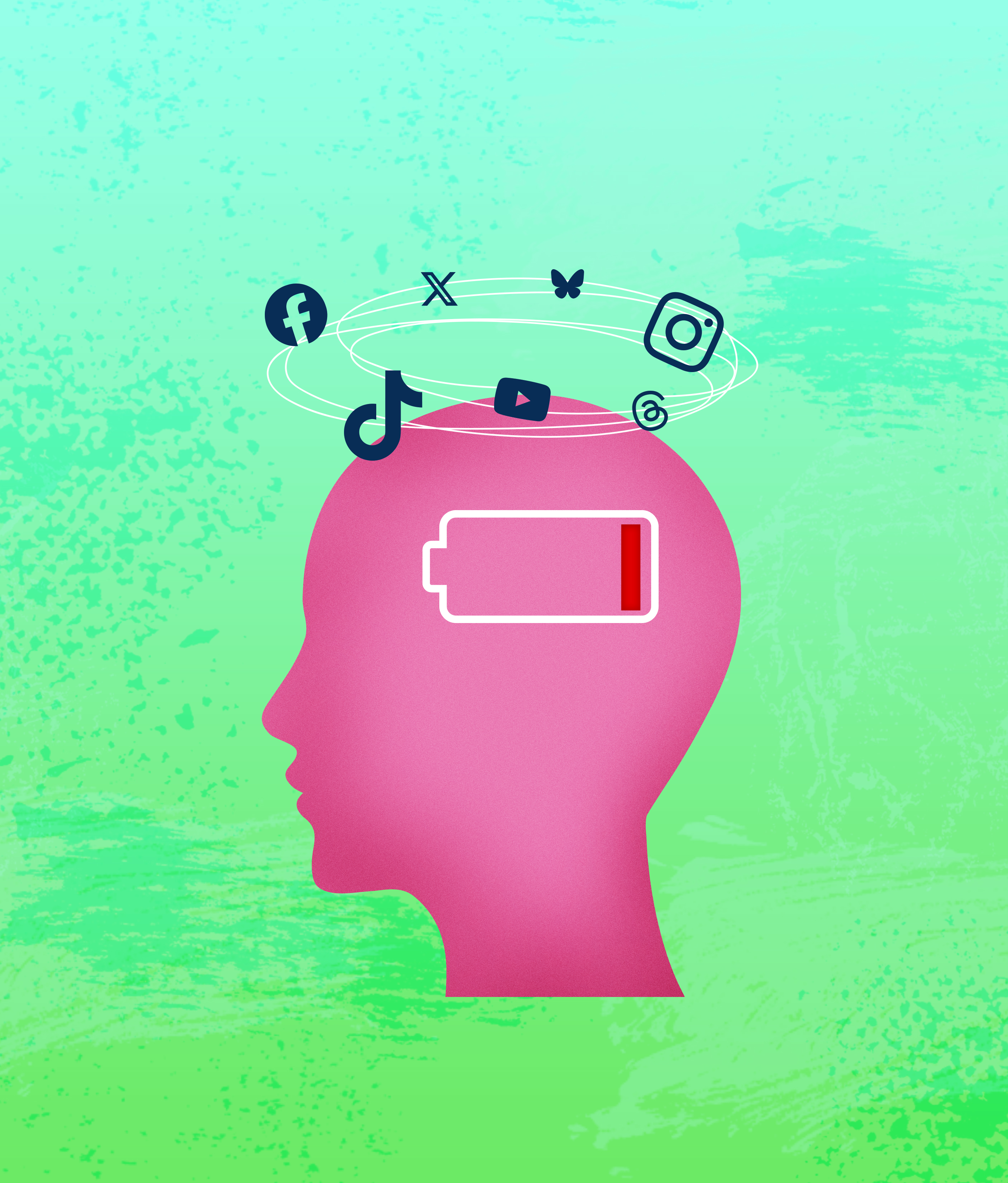
The Dallas creator economy is experiencing a surge in growth that is being overshadowed by a significant mental health crisis among its participants. According to data from Creators for Mental Health, approximately two out of three creators face challenges such as anxiety and depression, with suicide rates in the sector nearly double the national average. This trend has prompted the emergence of new support systems and platforms designed to address the unique stressors of digital entrepreneurship and provide creators with much-needed stability.
The digital-first culture in Dallas has created a high-pressure environment where creators face constant demands for content, intense online scrutiny, and isolation. Shaun Balkum, a high-fashion model and founder of the House of Balkum Foundation, notes that many industry professionals internalize their struggles with trauma and suicide ideation due to fear of judgment. Statistics from Creators for Mental Health reveal that one in 10 creators has experienced suicidal thoughts, while tenured creators show even higher incidence rates of mental health challenges. These issues are exacerbated by market oversaturation, which fuels constant competition and gig instability for those trying to stand out in a crowded field.
Veteran influencers like Jessica Serna of My Curly Adventures and Ashley Devonna have highlighted the grueling business realities that exist behind polished social media feeds. Serna, who has over 800,000 followers across Instagram and TikTok, describes content creation as the most stressful job she has held, citing the pressure to remain relevant among 100,000 other influencers. Beyond the creative demands, creators struggle with administrative burdens such as brands that ghost them or delay paychecks for months. Devonna recently returned to the industry after a four-year hiatus, having candidly shared how the pressures of full-time influencing previously ruined her life.
In response to these systemic issues, new organizations are providing resources tailored to the creator community's specific needs. Natasha August, founder of the Dallas startup RM11, emphasizes that creators are underserved entrepreneurs who must simultaneously act as talent, marketers, and community managers. RM11 has launched a "CreatorCare" approach through partnerships with Revive Health Therapy and Creators 4 Mental Health, offering access to licensed professionals who specialize in creator-specific stressors. Similarly, the House of Balkum Foundation provides emergency relief and emotional support, hosting events like "Saving the Creatives" to foster community and offer solutions for the challenges suffocating the industry.
Summary generated by RabbitReport AI from public reporting. The full article and original reporting belong to Dallas Observer.