AI race squeezes global memory supply
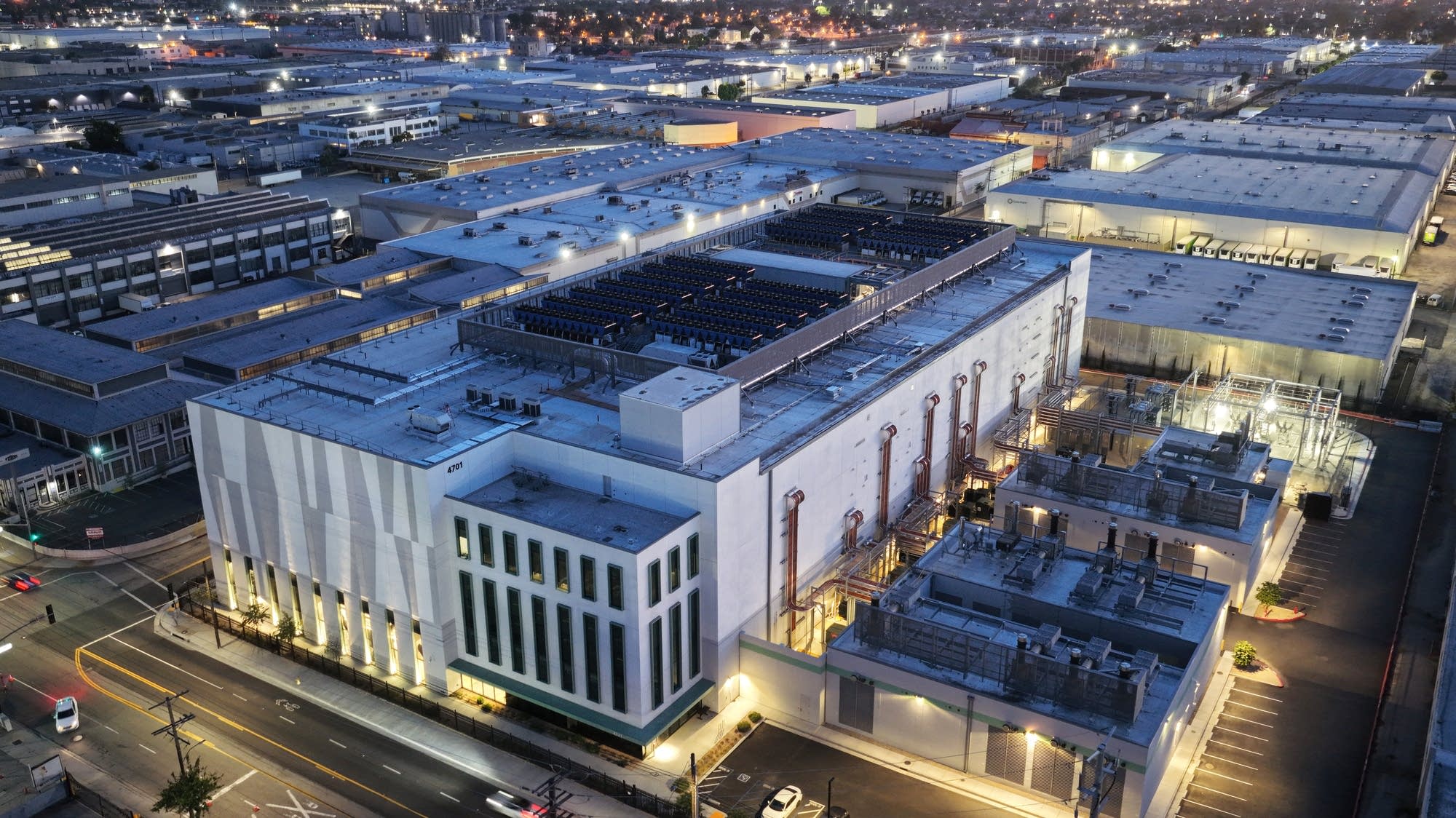
The rapid expansion of artificial intelligence infrastructure is creating a significant shortage of memory chips, posing a major challenge for the consumer electronics industry. As manufacturers shift production toward high-margin AI data centers, essential components like RAM are becoming increasingly scarce and expensive for traditional device makers. This supply squeeze is expected to impact the production and pricing of smartphones, personal computers, and automotive systems throughout the coming year.
The consumer electronics sector is facing a critical supply constraint as memory chip manufacturers pivot their focus toward the booming AI infrastructure market. Outgoing Apple CEO Tim Cook recently highlighted this challenge, noting that while demand for the iPhone 17 remains extraordinary, rising memory costs are poised to impact business operations moving forward. Memory chips, including RAM, are vital components for a wide array of consumer goods, from mobile devices to vehicle infotainment systems, but supply is being diverted to AI servers which typically require ten times the memory of conventional data center servers.
Industry experts point to a historical pattern of volatility in the memory market, characterized by boom-and-bust cycles that have persisted for decades. Willy Shih, a professor at Harvard Business School, explained that while demand surges often follow new product releases, the current shift toward AI data centers represents a significant departure from traditional consumer-driven cycles. This shift has already manifested in the DIY PC market, where Ryan Reith of IDC reported that prices for some custom memory kits tripled late last year, serving as a precursor for broader mass-market price hikes.
The financial implications for the consumer electronics market are expected to intensify in the second half of 2026 as major brands renegotiate supply contracts at higher prices. While large-scale players like Apple initially locked in supplies before the peak of the surge, they will soon face higher procurement costs that are likely to be passed on to consumers. IDC predicts the global device market will shrink significantly until supply begins to rebound next year, with smaller manufacturers facing the greatest risk of being unable to secure necessary components at any price.
Despite the industry-wide pressure, market analysts suggest that the most prominent tech giants may leverage their scale to maintain a competitive advantage. Neil Cybart of Above Avalon noted that Apple’s significant order volume and strong portfolio provide it with bargaining power that smaller competitors lack. This disparity could lead to a market consolidation where only the strongest players can maintain steady production, while others are forced to navigate extreme price volatility or total supply unavailability in the face of the AI-driven memory race.
Summary generated by RabbitReport AI from public reporting. The full article and original reporting belong to marketplace.org.