Older buildings and substandard construction left Venezuela vulnerable to earthquakes
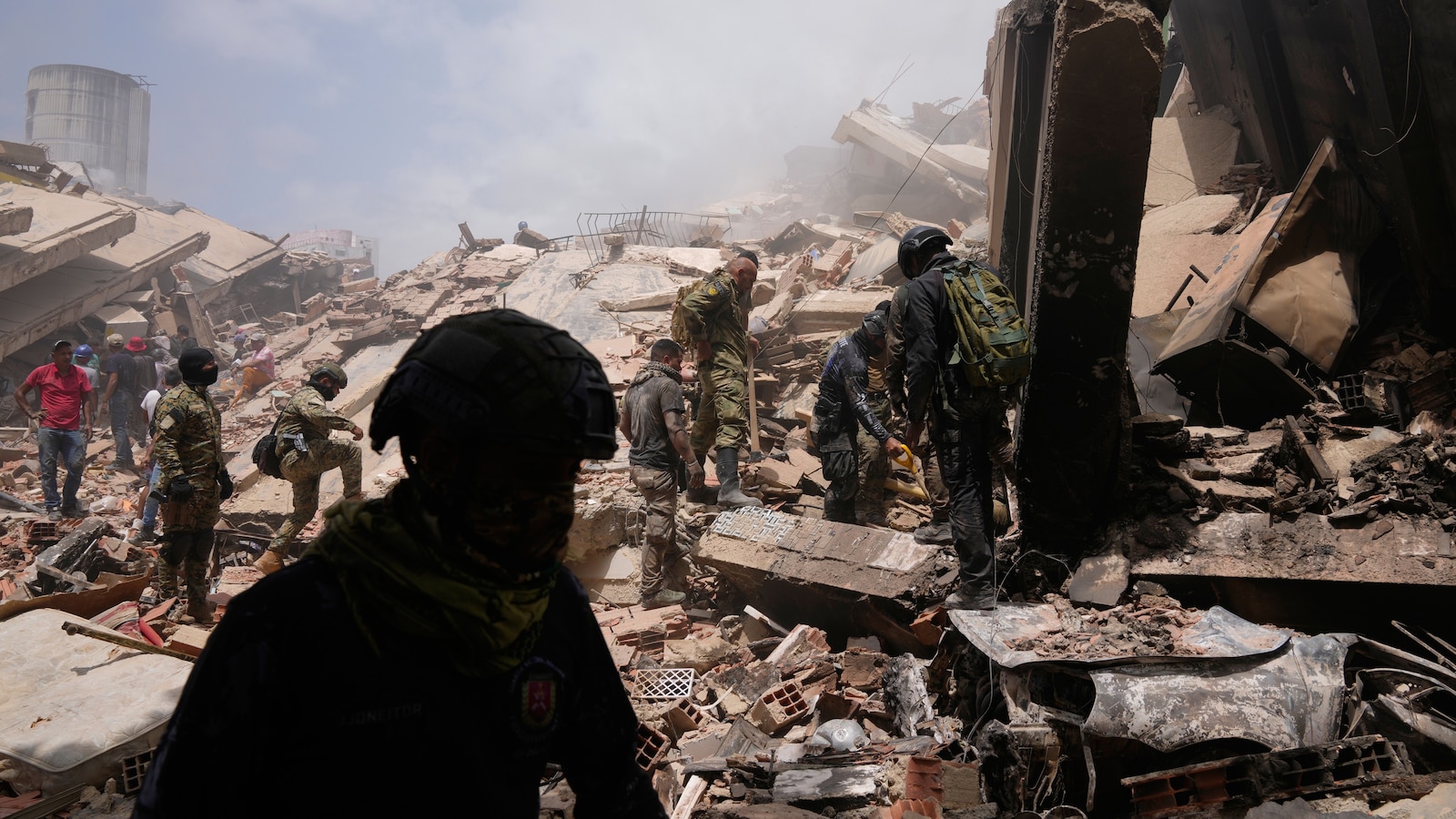
Recent twin earthquakes in Venezuela have resulted in the collapse of numerous multistory buildings and a death toll exceeding 900 people. Experts point to a combination of aging infrastructure, soft soil conditions, and a failure to adhere to modern seismic building codes as primary factors for the devastation. For the construction and building sector, this disaster underscores the critical importance of retrofitting older concrete structures and enforcing rigorous engineering standards in seismically active regions.
The back-to-back earthquakes that struck Venezuela are considered among the most intense the nation has faced in over a century, causing widespread structural failure across several neighborhoods. In Catia La Mar, located in La Guaira state, an analysis by Microsoft’s AI for Good Lab using satellite imagery and AI damage assessment models found that approximately one-third of the city's 30,000 structures sustained damage. The disaster has highlighted significant vulnerabilities in the local built environment, particularly regarding multistory buildings that suffered total collapses.
Structural engineers, including David Cocke, former president of the Earthquake Engineering Research Institute, identified several technical causes for the widespread "pancaking" of buildings. Many of the collapsed structures were older concrete buildings erected in the 1950s and 1960s before modern seismic reinforcing standards were established. These buildings often lacked the necessary steel connections used in contemporary construction to prevent floor-by-floor collapse during violent shaking. Additionally, the presence of "soft stories"—ground floors with open spaces like garages—and heavy brick non-structural walls further compromised the integrity of these edifices.
The crisis also reveals a systemic failure in construction oversight during previous economic booms, where rapid development may have bypassed seismic risk mitigation practices. While advanced nations like Japan and the United States have implemented mandatory retrofitting or demolition of high-risk buildings, experts like Stanford University professor Eduardo Miranda note that many middle-income countries have struggled to enforce similar upgrades. The combination of soft soil geography and substandard construction techniques has left a legacy of risk that the construction industry must address through more stringent code enforcement and the modernization of existing housing stocks.
Summary generated by RabbitReport AI from public reporting. The full article and original reporting belong to ABC News - Breaking News, Latest News and Videos.