Older Buildings and Substandard Construction Leave Venezuela Vulnerable to Catastrophic Earthquakes
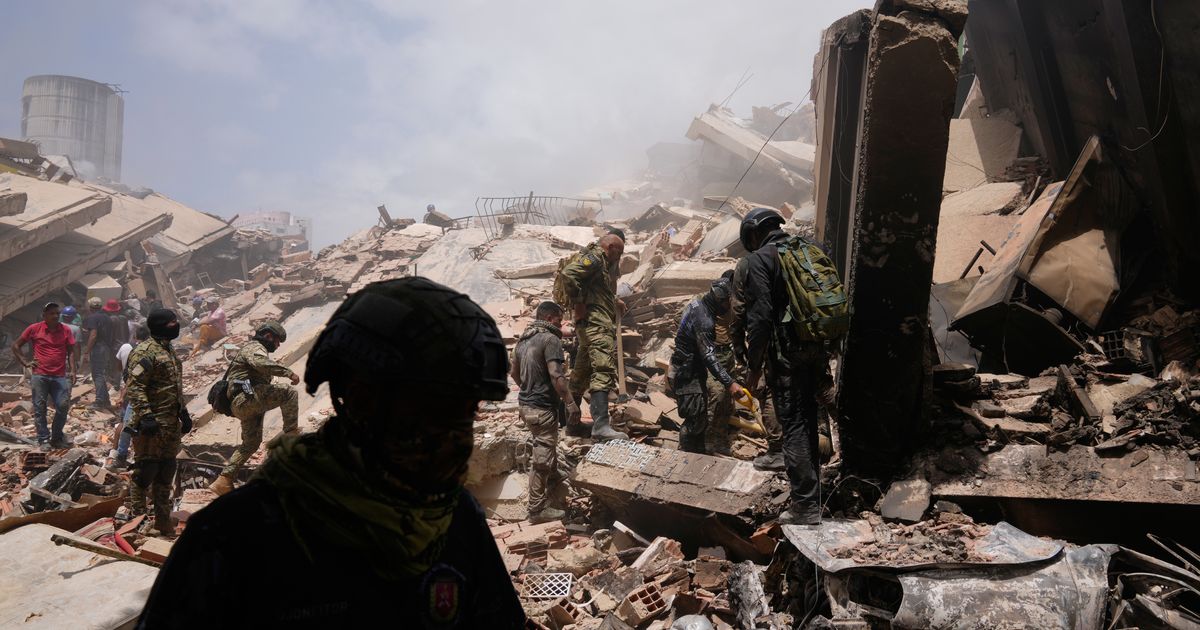
A series of intense back-to-back earthquakes in Venezuela has caused widespread structural failure, resulting in over 900 deaths and the destruction of thousands of buildings. Experts attribute the scale of the disaster to a combination of aging infrastructure, substandard construction during rapid development periods, and a failure to implement modern seismic retrofitting. This event highlights critical risks for the construction and building sector regarding code enforcement and the structural integrity of concrete multistory housing in seismically active zones.
The recent seismic activity, described by geophysicists as a "doublet" of back-to-back quakes, ranks among the most intense to strike Venezuela in over a century, leveling scores of multistory buildings. Satellite imagery analyzed by Microsoft’s AI for Good Lab in the coastal city of Catia La Mar revealed that approximately one-third of the city's 30,000 structures sustained damage. Structural engineer David Cocke noted that many of these failures involved "pancaking," where buildings collapsed floor-by-floor. This was largely attributed to a lack of modern reinforcing steel connections and the prevalence of "soft stories," which are open ground floors used for garages that lack the necessary lateral stability to survive violent shaking.
Experts identified several historical and technical factors that exacerbated the destruction, including the use of heavy brick non-structural walls and construction on soft soils that amplify seismic vibrations. While Venezuela updated its building codes following a deadly 1967 earthquake, many structures erected in the 1950s and 1960s were never retrofitted to meet modern standards. Furthermore, rapid housing developments constructed during recent oil booms and a post-1999 building spree may have bypassed best practices for seismic mitigation. Eduardo Miranda, a professor at Stanford University, emphasized that the combination of soft soils and soft-story construction is a global problem that proved particularly fatal in this instance.
The failure of even recently designed buildings has prompted calls for a comprehensive review of Venezuelan engineering processes and building code enforcement. Juan Carlos Vielma, a civil engineer at the Pontifical Catholic University of Valparaíso, expressed concern that some collapsed structures were purportedly built to current standards, suggesting potential lapses in the construction phase or the standards themselves. This disaster mirrors the 2023 Turkey-Syria earthquake in its scale of devastation, highlighting a significant global lag in seismic upgrades among middle-income nations compared to countries like Japan, New Zealand, or the United States.
Summary generated by RabbitReport AI from public reporting. The full article and original reporting belong to WRAL.