Rochester’s CRE project pipeline provides reason for marketplace optimism
Despite ongoing vacancies in the downtown office sector, Rochester’s commercial real estate market is showing resilience through a robust pipeline of manufacturing expansions and residential conversions. Industry experts point to significant investments in high-tech manufacturing and the regional dairy industry as primary drivers of economic growth. This shift toward industrial and residential development is helping to offset the stagnation of traditional office spaces, signaling a transformation in the local property landscape.
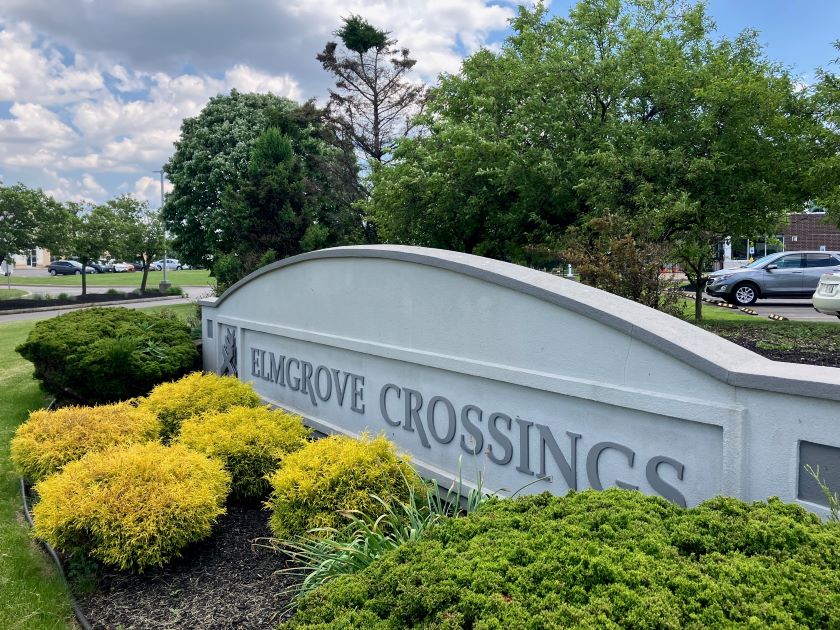
The Rochester region is seeing a surge in industrial activity, highlighted by Gallina Development Corp.’s $3.937 million expansion of the Elmgrove Crossings business park and fairlife’s $645 million production plant in Webster. According to Joe Rowley of Anchor Real Estate Advisors, the market is bolstered by nearly $1.5 billion in dairy-based manufacturing investments across the Finger Lakes and Western New York regions, including projects by Hood, Wells Enterprises, and Upstate Niagara Cooperative. Additionally, high-tech expansions from Sydor Technologies and XLI Manufacturing, totaling $16 million, along with Li-Cycle’s $485 million project, are expected to create significant trickle-down economic benefits for local maintenance and skilled repair services.
While the office sector remains stagnant, there are signs of movement for landmark properties. CBRE Upstate NY reports that both First Federal Plaza, a 383,000-square-foot office tower listed for $10.8 million, and the $9.9 million Farrish Place are currently under contract. However, the lack of robust office demand is prompting developers to pivot toward residential projects. Jim Ryan Jr. of RYCO Management indicated the company is considering replacing two office buildings at Powder Mill Office Park with apartments, following the lead of Stern Properties, which recently converted planned commercial space at 50 Prince Street into residential units to meet the needs of a downtown population that now exceeds 10,000 residents.
Economic development agencies like the County of Monroe Industrial Development Agency (COMIDA) are playing a crucial role by providing tax incentives that mandate the use of local labor. For instance, Gallina Development received $243,825 in incentives for its latest project, while the fairlife plant also benefited from Empire State Development and COMIDA support. Rowley noted that even when specialized out-of-town crews are required, they contribute to the local economy by patronizing smaller motels and restaurants. Ultimately, these projects are expected to broaden the regional tax base and provide long-term stability for the commercial real estate market.
Summary generated by RabbitReport AI from public reporting. The full article and original reporting belong to Rochester Business Journal.