Where Shapiro and Garrity Stand on Pennsylvania Marijuana
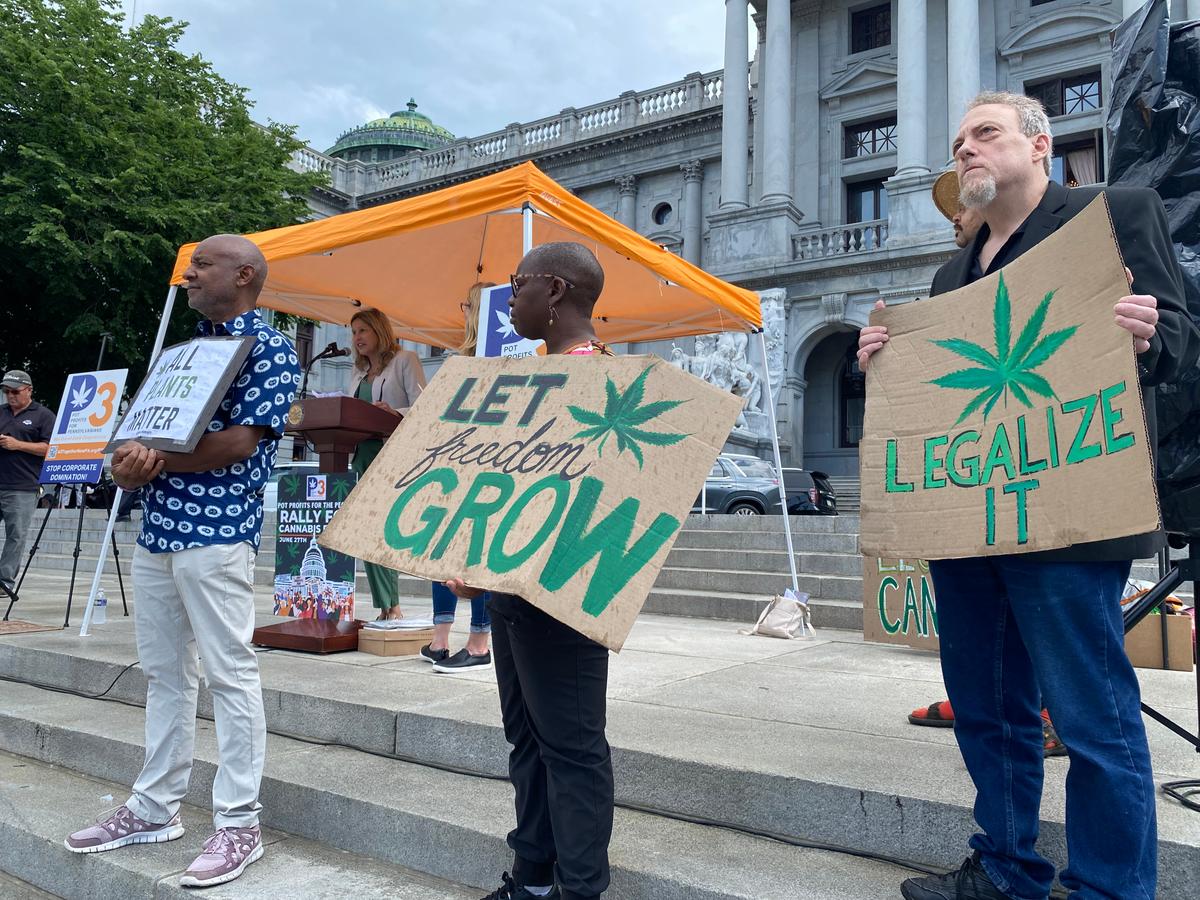
Pennsylvania’s gubernatorial race highlights a significant policy divide regarding the future of the state’s cannabis market. Governor Josh Shapiro is advocating for a taxed, adult-use program to compete with neighboring states and fund social initiatives, while Republican challenger Stacy Garrity has vowed to veto any recreational legalization bill. This divergence comes as the state’s existing medical marijuana program continues to see massive sales growth despite ongoing regulatory and legislative challenges.
Governor Josh Shapiro’s proposed recreational marijuana program aims to establish a state-regulated market under the Department of Agriculture, featuring a 26% tax rate on sales. His administration projects this would eventually generate $200 million in annual revenue, with a first-year intake of $729 million when including one-time licensing fees. To address social equity, the proposal earmarks $25 million for small and minority-owned businesses and $10 million for restorative justice, including the expungement of nonviolent possession records. Shapiro argues that Pennsylvania must modernize its laws to stop losing tax revenue to its neighbors, almost all of whom have already legalized adult-use cannabis.
Republican challenger and current State Treasurer Stacy Garrity has taken a hardline stance against the proposal, promising to veto any adult-use legislation that reaches her desk. Garrity describes marijuana as an addictive psychoactive drug with serious respiratory and cognitive risks, particularly for younger residents whose brains are still developing. She has dismissed Shapiro’s revenue projections as a desperate attempt to cover state budget deficits rather than a sound public health policy. While she does not advocate for treating marijuana as harshly as heroin, she remains skeptical of the current administration's fiscal and social justifications for expansion.
The political stalemate persists even as Pennsylvania’s medical marijuana sector reports $9.1 billion in total sales since 2018, serving more than 430,000 active patients through nearly 200 dispensaries. The industry remains difficult to enter, requiring $2 million in capital and $210,000 in fees for the 25 permitted grower-processors. Recent legislative attempts to shift oversight from the Department of Health to a dedicated Cannabis Control Board failed in the Senate, leaving the program under its current regulatory structure. Meanwhile, the state continues to grapple with the proliferation of intoxicating hemp-derived products and the legal status of thousands of individuals incarcerated for possession under current Schedule I classifications.
Summary generated by RabbitReport AI from public reporting. The full article and original reporting belong to Spotlight PA.