THC hemp products remain legal for all in SC after efforts to limit sales fail
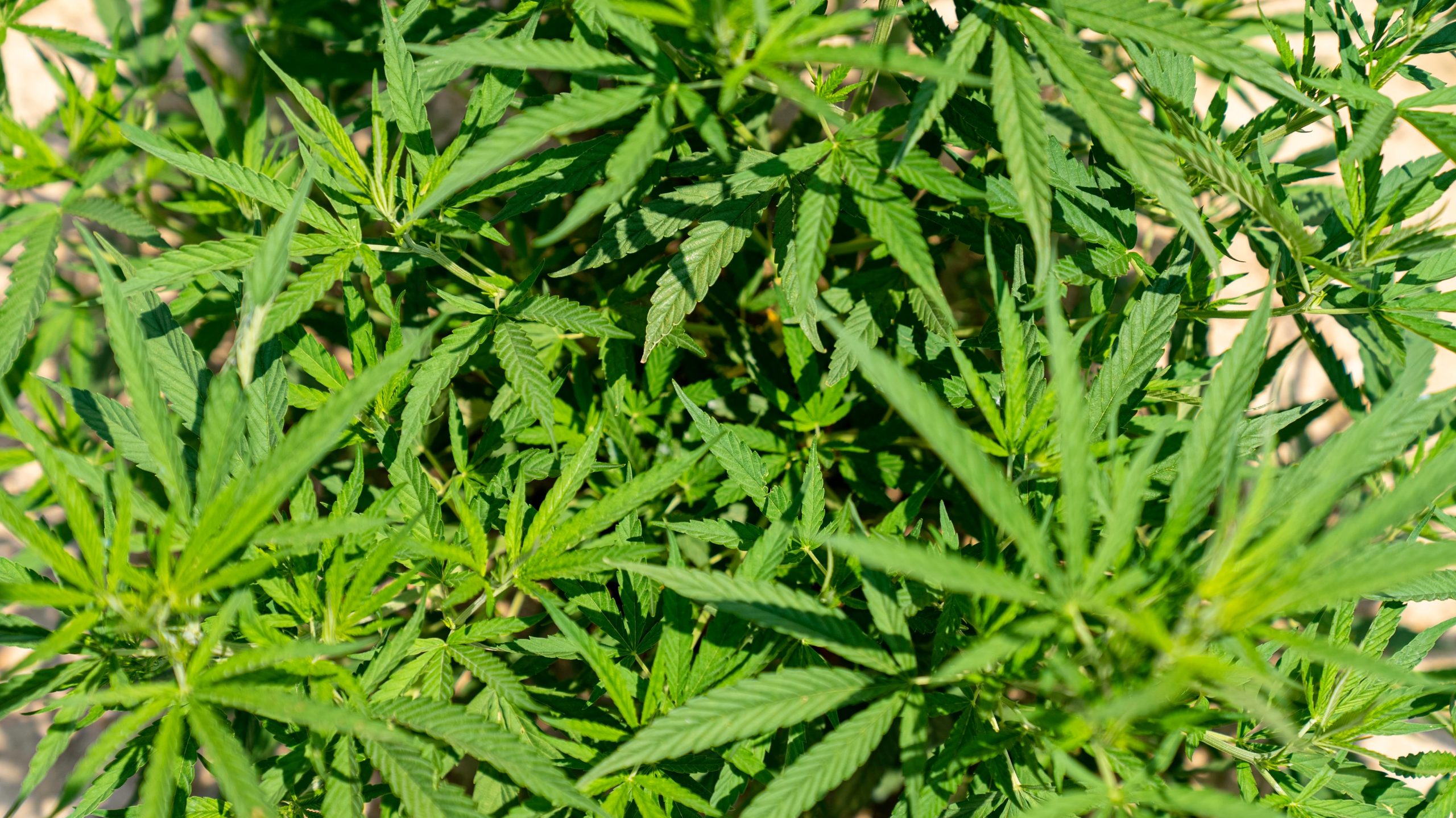
South Carolina legislators failed to reach a consensus on regulating intoxicating hemp-derived THC products, leaving them legal for purchase by all ages at various retail locations. The proposed legislation, which was defeated in a 69-28 House vote, sought to restrict sales to adults over 21 and establish strict potency limits for gummies and beverages. This outcome maintains an unregulated market environment in a state where marijuana remains illegal, highlighting deep political divisions over how to manage the hemp industry's growth.
The South Carolina House of Representatives rejected a compromise bill that would have imposed significant restrictions on the sale of hemp-derived THC products like gummies and drinks. The 69-28 vote saw a coalition of 28 Democrats and 41 Republicans defeating the measure, which aimed to end the current status where these products are available to all ages in gas stations, grocery stores, and vape shops. Senate Majority Leader Shane Massey expressed that while he preferred a total ban, the inability to pass even basic age restrictions means the state will continue without a regulatory framework as he waits for pressure to grow for more comprehensive action later.
The failed legislation proposed limiting THC content to 10 milligrams per serving for gummies and beverages, with a requirement that most sales occur within liquor stores. Other retailers would have been restricted to selling 12-ounce beverages with a maximum of 5 milligrams of THC, provided the products remained behind the counter, while restaurants would have been barred from selling them entirely. Opponents of the bill, such as Representative Greg Ford, argued that these specific provisions constituted government overreach and would unfairly shift market share from small "mom-and-pop" businesses to the established liquor industry. Ford also highlighted the medicinal value of these products, sharing how they have helped his son manage seizures.
This legislative deadlock underscores the ongoing challenges states face in the wake of the 2018 federal farm bill, which effectively legalized hemp-derived cannabinoids. In South Carolina, the debate has split the Republican party between those seeking comprehensive regulation or bans and those defending the economic interests of the local hemp sector. For the cannabis and hemp industry, the failure of this bill means that South Carolina remains a market without age-gating or potency caps, though the lack of consensus leaves the door open for future, potentially more restrictive, legislative attempts.
Summary generated by RabbitReport AI from public reporting. The full article and original reporting belong to thecurrentga.org.