States Can’t Count on Marijuana Tax Revenue Growth
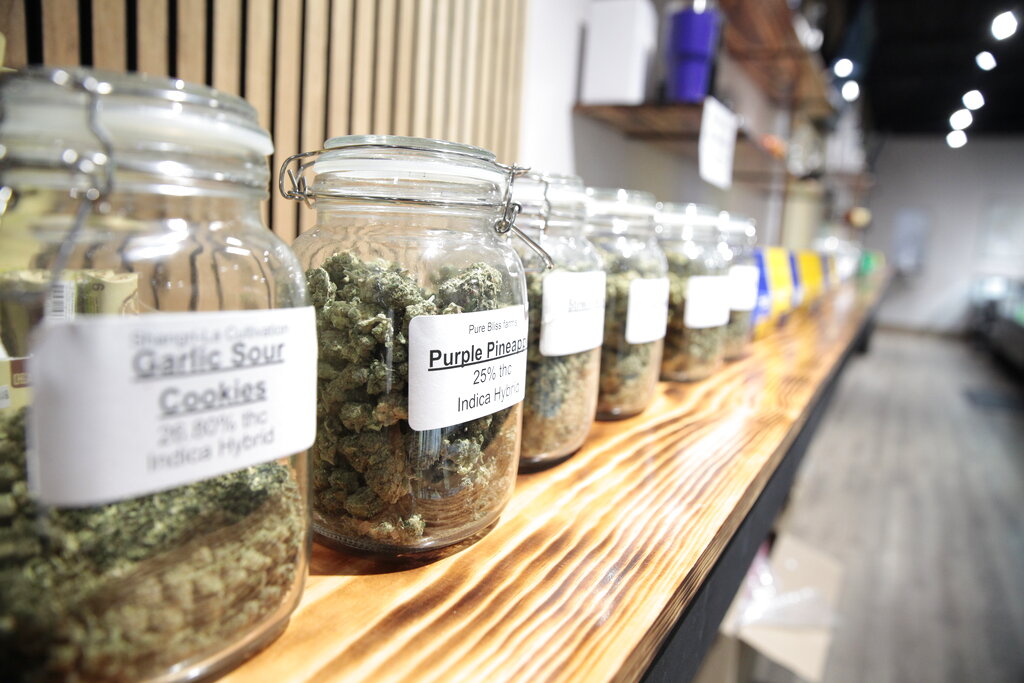
New data from the Marijuana Policy Project indicates that tax revenue from recreational cannabis sales is declining or plateauing in mature state markets as supply begins to exceed demand. This trend is primarily driven by falling retail prices, which directly impact tax collections typically calculated as a percentage of sales. For the cannabis and hemp sector, these findings highlight the long-term fiscal instability of current state tax structures and the broader economic pressures facing licensed operators in a competitive landscape.
According to data collected by the Marijuana Policy Project, six states that legalized recreational sales at least eight years ago—Alaska, California, Colorado, Nevada, Oregon, and Washington—are now experiencing declining tax collections. Adam Smith, executive director of the Marijuana Policy Project, notes that as markets mature, cannabis supply eventually outstrips demand, leading to significant price drops. Because most state marijuana taxes are set as a percentage of the retail price, these lower costs for consumers result in reduced revenue for state budgets and the programs they fund, such as education and substance abuse treatment.
The impact of this revenue slump is particularly evident in Colorado, where marijuana-related sales and excise tax revenues have collapsed since 2021. To address the resulting budget shortfalls, the Colorado Legislature recently canceled a $20 million transfer for school facility upgrades and repealed a $3 million annual distribution for a substance abuse pilot program. Emily Dohrman, a senior economist for the Colorado Legislative Council, warns that while initial market growth can seem like a 'silver bullet,' policymakers must set realistic expectations as markets eventually reach a limit and stabilize.
In Michigan, fiscal analysts expect tax revenues to drop by 2% this fiscal year due to intense competition driving down prices. David Zin, chief economist for the Michigan Senate Fiscal Agency, highlighted that a new 24% wholesale tax imposed this year, on top of existing excise and retail taxes, may further impact sales due to price elasticity. Beyond local competition, Adam Smith noted that the licensed industry faces significant hurdles from federal illegality, which prevents interstate commerce and federal tax breaks, while forcing legal businesses to compete with lower-priced products from the illegal market and unregulated hemp cannabinoid businesses.
Summary generated by RabbitReport AI from public reporting. The full article and original reporting belong to Arizona Capitol Times.