Illinois expands some medical cannabis access while restricting intoxicating hemp sales
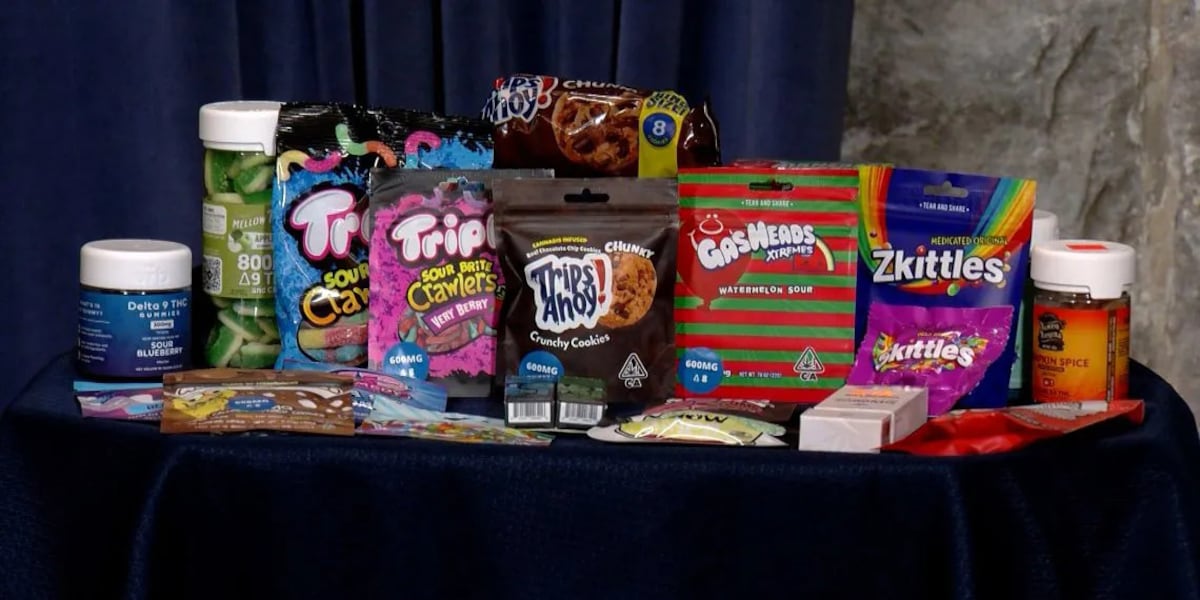
Illinois Governor JB Pritzker has signed Senate Bill 3222, a legislative package that significantly tightens regulations on intoxicating hemp-derived products like Delta-8 and THC-P. The new law immediately prohibits sales to individuals under 21 and plans to bring these products under the state’s formal cannabis regulatory framework by November 2026. This move aims to address public health concerns regarding unregulated products while simultaneously expanding access and social equity provisions within the state's established medical cannabis program.
Governor Pritzker finalized the legislation at an event at Sway Dispensary, emphasizing the need to regulate hemp-derived THC products that previously operated outside the adult-use market. Starting in November 2026, these products will be governed by the Cannabis Regulation and Tax Act, necessitating child-resistant packaging and strict prohibitions on marketing that appeals to minors. Dr. Mark Butterly, chief medical officer at Advocate Children’s Hospital, highlighted the necessity of these safeguards, noting that intoxicating hemp products can pose serious risks of accidental poisonings and medical emergencies among children and teens.
Beyond hemp regulation, Senate Bill 3222 introduces several operational improvements for the medical cannabis sector. Dispensaries are now permitted to register as medical cannabis providers, and the state has authorized the expansion of curbside and drive-thru pickup services to improve patient convenience. Furthermore, the law facilitates patient access by allowing certain qualifying medical conditions to be certified through telehealth appointments, streamlining the process for those seeking therapeutic cannabis treatments.
The legislation also includes specific provisions designed to support social equity and industry oversight within the Illinois cannabis market. These measures include income-based hardship waivers and reduced costs for certain applicants, as well as granting businesses more time to become fully operational. By integrating intoxicating hemp into the existing regulatory structure and lowering barriers for equity-focused entrepreneurs, the state seeks to create a more uniform and accessible marketplace for both consumers and business owners.
Summary generated by RabbitReport AI from public reporting. The full article and original reporting belong to KFVS12.