Senate-Backed Hemp Bill Proposes Strict THC Limits in North Carolina
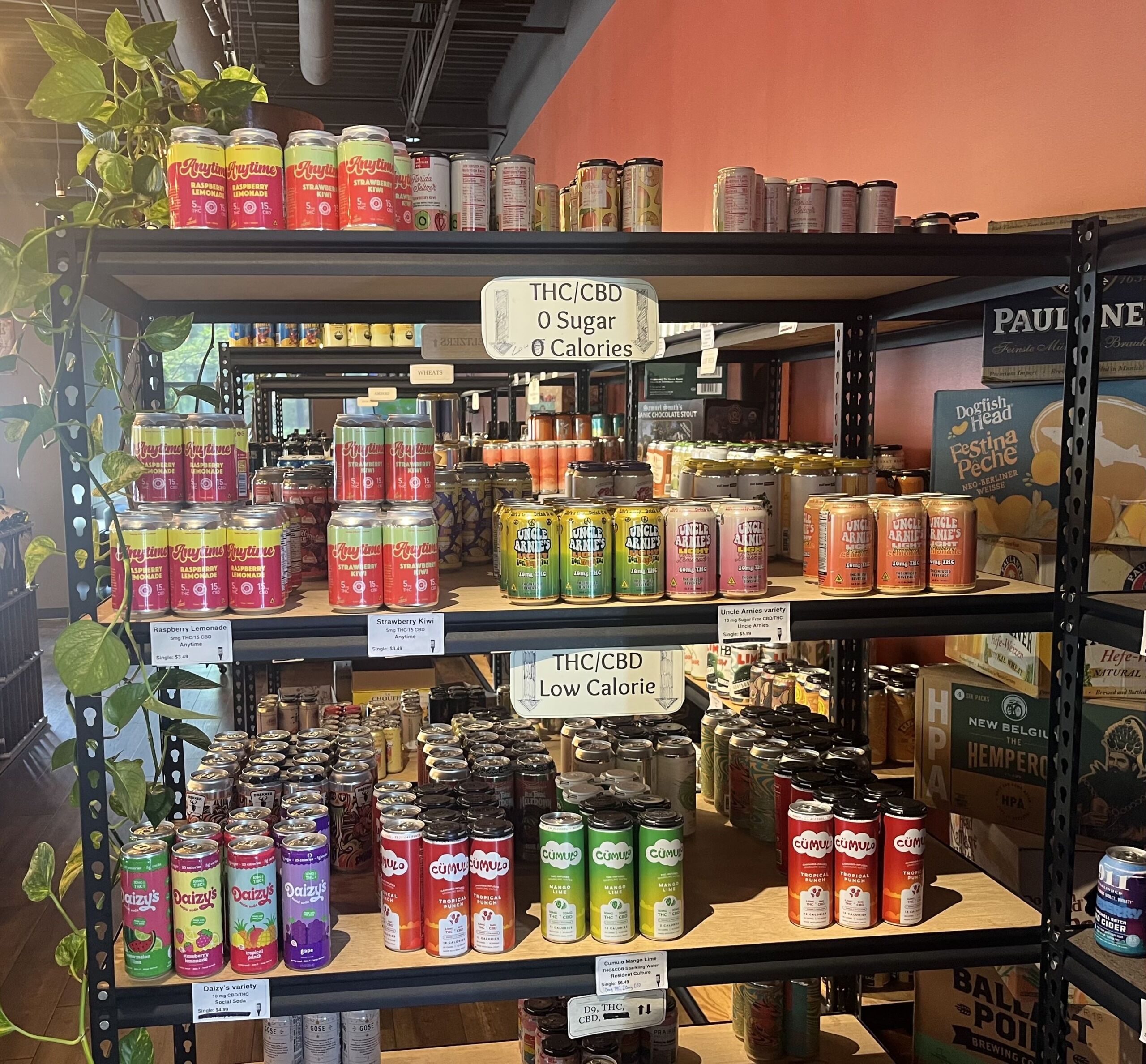
The North Carolina Senate has approved a conference report for House Bill 328, which seeks to implement a strict 0.4 milligram total THC limit per container on hemp-derived consumable products. This legislation would effectively ban a wide range of popular products, including delta-8, THCA flower, and THC-infused beverages and gummies, currently sold across the state. While the measure passed the Senate in a 37-6 vote, it has stalled in the House as lawmakers debate the balance between age-verification requirements and broad product restrictions.
House Bill 328, titled “Regulate Hemp-Derived Consumables,” represents a significant shift in North Carolina's hemp policy by targeting what Senate Leader Phil Berger described as a “de facto recreational marijuana marketplace.” The proposed legislation sets a 0.4 milligram total THC cap per container for any finished hemp product intended for ingestion or inhalation. This threshold is low enough to remove most intoxicating hemp-derived products from retail shelves, including vapes, delta-8 products, and chemically converted cannabinoids. Senator Michael Lee argued the bill is necessary to protect children from products marketed as candy and to ensure consumer safety against items that may contain unidentified toxic substances.
The bill's progress has met resistance in the House, where Speaker Destin Hall and other Republican leaders have expressed a preference for age-verification mandates rather than the sweeping product bans favored by the Senate. Critics of the bill, including hemp business owners and Senator Lisa Grafstein, warn that the strict THC cap could devastate the state's hemp industry, affecting thousands of businesses such as breweries, bottle shops, and specialized hemp retailers. Grafstein further cautioned that a ban-focused approach might inadvertently fuel a black market, potentially exposing consumers to even more dangerous, unregulated substances.
Beyond the THC limits, the conference report establishes clear legal boundaries for the sale and possession of hemp consumables, making it unlawful to sell these products to anyone under 21 and creating penalties for underage possession. Senator Bill Rabon defended the aggressive stance, characterizing the current unregulated market as predatory and suggesting that a regulated marketplace is necessary to prevent businesses from preying on minors and low-income individuals. The House is expected to revisit the measure when it reconvenes on July 27. This state-level push mirrors pending federal hemp restrictions currently scheduled to take effect in November 2026, highlighting a broader trend of tightening oversight across the national cannabis and hemp sectors.
Summary generated by RabbitReport AI from public reporting. The full article and original reporting belong to Carolina Journal.