Puff, Puff … Pass?
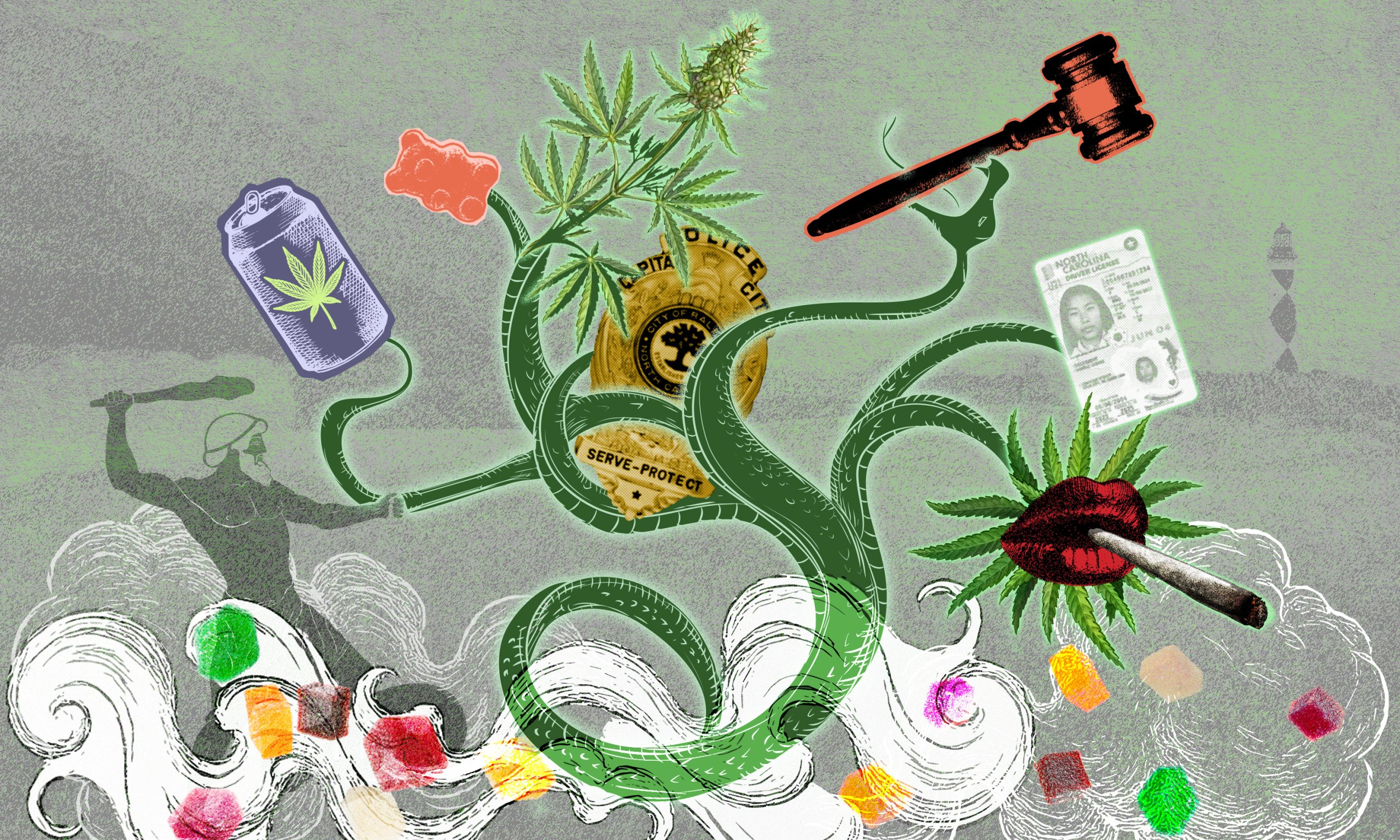
North Carolina's $3.2 billion hemp industry faces an existential threat as state lawmakers consider a ban on intoxicating hemp products. The proposed state legislation would codify a federal ban set to take effect in November, potentially shuttering thousands of retail and manufacturing businesses. This move marks a shift from industry-supported regulation toward total prohibition, leaving the sector's future in the hands of a divided General Assembly.
North Carolina's hemp industry, valued at approximately $3.2 billion, is currently in a state of crisis as the legislative session nears its end. While businesses were already preparing for a federal ban on intoxicating hemp scheduled for November 12, state lawmakers recently introduced a bill that would codify this ban into state law rather than establishing a regulatory framework. State Senator Bill Rabon, a key ally of Senate leader Phil Berger, championed the bill, characterizing hemp retailers as 'drug dealers' who prey on vulnerable populations and teenagers. Rabon argued that the industry's refusal to accept a strictly regulated marketplace necessitated a total ban.
Hemp industry advocates and lobbyists, such as April Byrd, argue that there is a significant difference between wanting regulation and being regulated out of business. While Rabon claimed the ban would affect 12,000 businesses, industry sources suggest the number of retailers is closer to 6,000, with a 2025 study identifying 2,197 dedicated hemp retailers in the state. Despite the industry's efforts to lobby for state-level safety standards, age restrictions, and testing requirements since 2023, the Senate voted overwhelmingly for the ban. However, the House of Representatives, led by Speaker Destin Hall, has punted the decision until they reconvene at the end of July, calling the bill 'complicated.'
Currently, intoxicating hemp remains entirely unregulated in North Carolina, lacking age restrictions, mandatory product testing, or accurate labeling. This environment has allowed the industry to flourish but has also led to increased hospital visits and concerns regarding youth mental health. North Carolina is one of only seven states that prohibit both recreational and medical cannabis, making it one of the largest markets for both illicit marijuana and intoxicating hemp. If the ban is enacted, it is expected to shut down thousands of businesses and potentially push consumers toward the illicit market while the state continues to forgo hundreds of millions in potential tax revenue.
Summary generated by RabbitReport AI from public reporting. The full article and original reporting belong to The Assembly NC.