Indiana’s Hemp Industry Navigates Growth and Legislative Challenges Under Farm Bill Loophole
Indiana hemp businesses are thriving by utilizing the 2018 Farm Bill's definition of hemp, despite the state's strict prohibition on recreational and medical marijuana. Recent legislative efforts, specifically Senate Bill 250, sought to tighten regulations and close the loophole that allows for the sale of intoxicating hemp-derived THC products. While the bill ultimately failed to pass this session, the ongoing debate highlights a significant tension between small business growth and calls for stricter psychoactive substance guardrails in the Hoosier State.
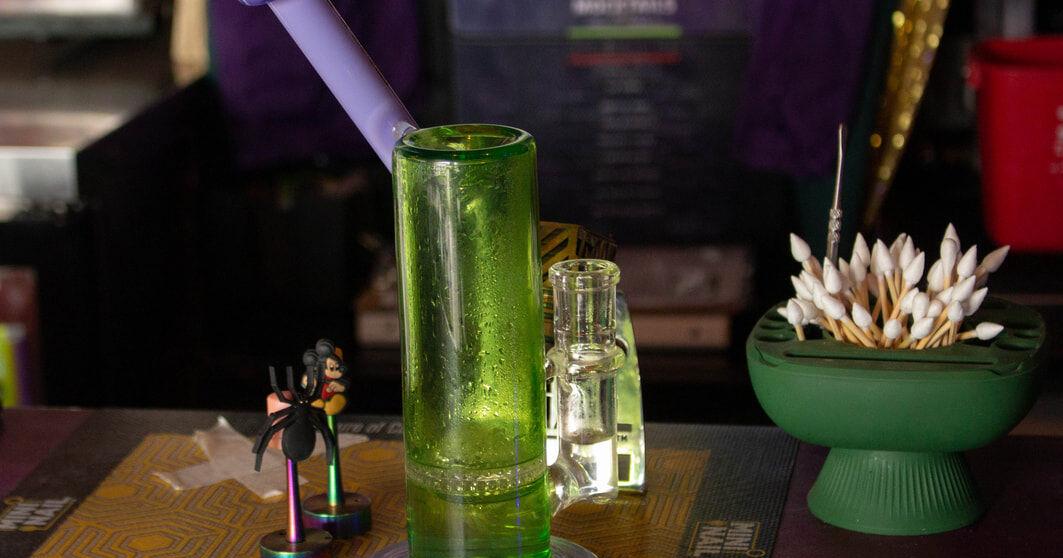
WildEye Cannabis, an alcohol-free consumption lounge in Indianapolis, exemplifies the burgeoning hemp sector in Indiana, offering THC-infused mocktails, dabs, and edibles. Owner Nicholas Brown notes that these businesses provide a third space for consumers, operating legally because their products contain less than 0.3% delta-9 THC on a dry-weight basis as defined by federal law. While neighboring states like Illinois, Michigan, and Ohio have legalized recreational use, Indiana remains a hemp-only market where the only strictly prohibited hemp product is retail smokable flower. This regulatory environment has allowed hundreds of businesses to establish roots, though they remain vulnerable to shifting state policies.
Senate Bill 250, authored by Sen. Aaron Freeman, represented a major attempt to overhaul the industry by introducing age restrictions, container limits, and licensing through the Alcohol and Tobacco Commission. Supporters, including the Indiana Drug Enforcement Association, argued for meaningful guardrails on psychoactive substances, expressing concern over the availability of THC products in locations like gas stations. However, the bill faced fierce opposition from entrepreneurs such as Robert Theodorow of Generation NA and Meredith Barnett of Mellow Mood Hemp Co., who testified that the legislation would force businesses to move out of state or close entirely. Critics argued the bill's broad scope would inadvertently eliminate non-intoxicating products like hemp-infused lotions and soaps, undermining Indiana’s agricultural and entrepreneurial values.
Although SB 250 passed the Senate with a 35-13 vote, it died after failing to receive a hearing on the House floor before the session concluded in February. Justin Swanson, chair of the cannabis practice group at Bose McKinney & Evans, points out that the current regulatory gap exists because the FDA has yet to release specific guidelines for consumable hemp despite the Farm Bill's passage years ago. For now, the Indiana hemp industry continues to operate in what some call a Wild West environment, with business owners like Jack Babcock of Health Club advocating for safety-focused regulations rather than total prohibition. The survival of these businesses underscores the significant economic impact of the hemp-derived THC market in states without traditional marijuana legalization.
Summary generated by RabbitReport AI from public reporting. The full article and original reporting belong to The Statehouse File.