Emergency Departments Report Sharp Increase in Cannabinoid Hyperemesis Syndrome Amid Rising Potency and Legalization
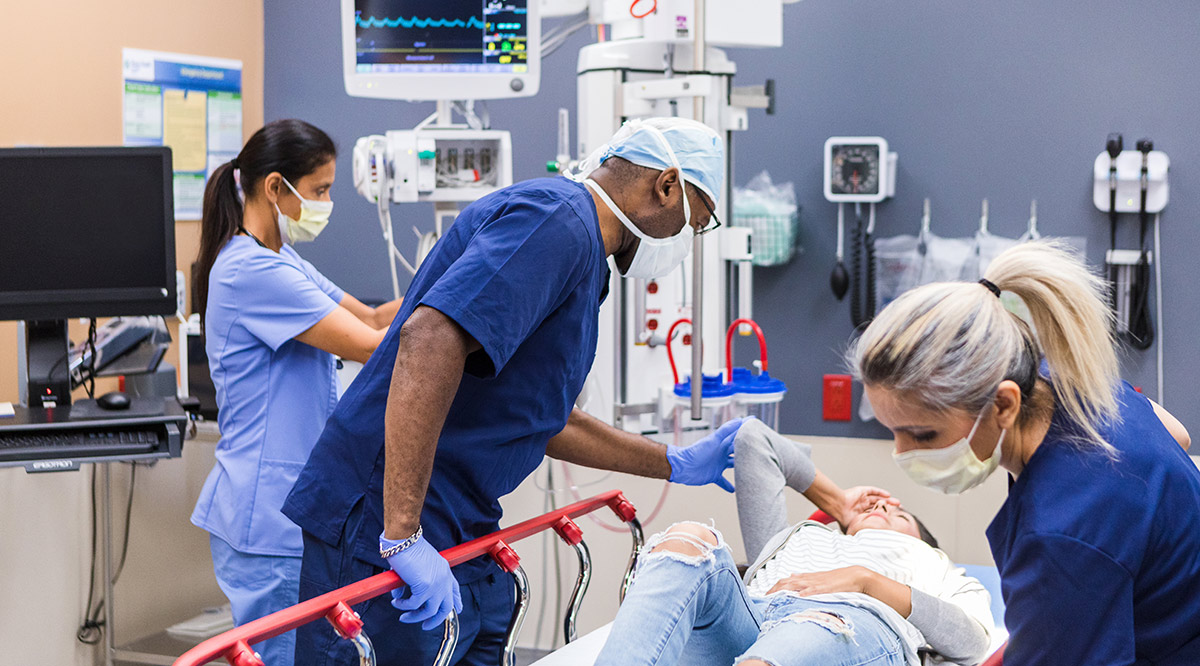
Emergency departments across the United States are reporting a significant surge in cannabinoid hyperemesis syndrome (CHS), a condition characterized by severe abdominal pain and uncontrollable vomiting linked to chronic cannabis use. The rise in cases coincides with the expansion of legal marijuana markets and a dramatic increase in the potency of THC products, which often exceed labeled concentrations. This trend presents a growing public health challenge for the cannabis industry as clinicians call for better diagnostic awareness and consumer education regarding long-term use risks.
Data from the Substance Abuse and Mental Health Services Administration reveals that cannabis use in the U.S. has nearly doubled over the last decade, with 64.2 million people reporting use in the past year. This increase is accompanied by a 15-fold rise in daily or near-daily users between 1992 and 2022. Consequently, emergency department (ED) visits for CHS—a condition physicians describe as "scromiting" due to the combination of screaming and vomiting—have escalated. Analysis from the University of Illinois in Chicago shows CHS prevalence jumped from 4.4 per 100,000 ED visits in 2016 to 22.3 per 100,000 in 2022, with an estimated 2.75 million Americans affected.
Medical experts, including Kathleen Clem, MD, of Dartmouth Health, attribute the spike to the increased accessibility of highly potent THC products following legalization in 24 recreational and 40 medicinal states. Research from Virginia Commonwealth University indicates that dispensary products frequently contain significantly more THC than advertised, with one tested sample containing 34 times the stated amount. This lack of consistency in product labeling complicates the clinical picture for chronic users, who may unknowingly consume extreme doses. CHS typically affects those using cannabis at least four days a week, with the fastest growth observed in the 18-to-34 age demographic and a nearly 50% increase in adolescent cases between 2016 and 2023.
The clinical impact of CHS is severe, often involving 24 to 48 hours of excruciating pain and, in rare instances, leading to kidney failure, seizures, or death. While the World Health Organization recently assigned CHS a diagnostic code, physicians like Joshua Ring, MD, of Duke Regional Hospital, suggest the condition remains underdiagnosed because symptoms mimic other gastrointestinal ailments like gastroparesis or food poisoning. A survey of CHS sufferers found that 85% required emergency care and 44% were hospitalized, with many reporting daily use for over five years. Currently, the only definitive cure for the syndrome is total cessation of cannabis use, highlighting a critical long-term health consideration for the industry and its consumers.
Summary generated by RabbitReport AI from public reporting. The full article and original reporting belong to AAMC.