Facing a wave of dupes, the perfume and cosmetics industry struggles to respond
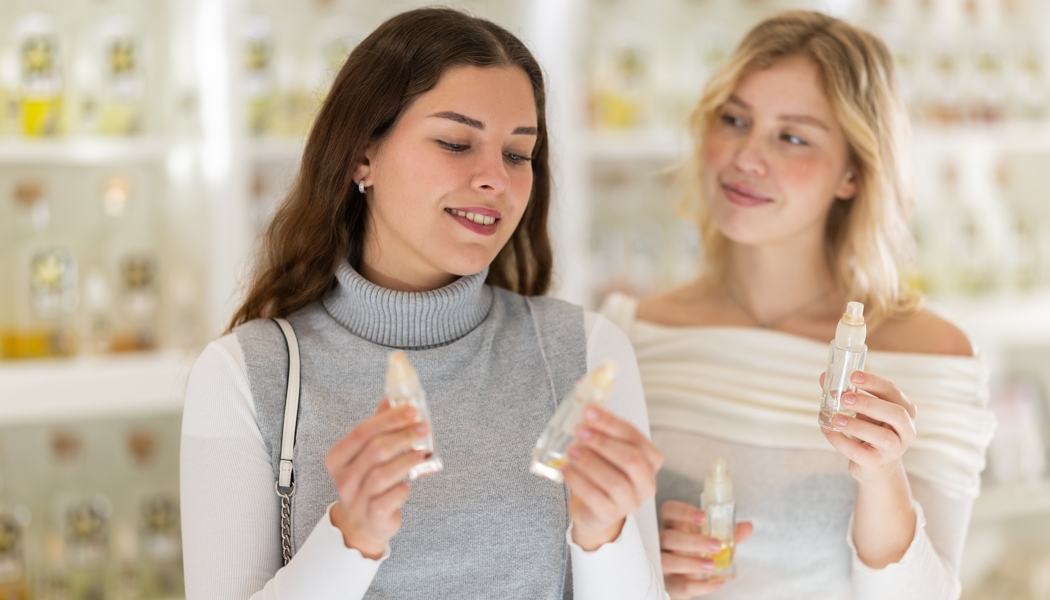
The global beauty and cosmetics industry is facing a significant challenge from the rise of "dupes," or low-cost alternatives to premium products, which have become increasingly normalized through social media and mainstream retail. This trend represents a shift from traditional under-the-table counterfeiting to an institutionalized market that attracts private equity investment and major European brick-and-mortar retailers. For the sector, the phenomenon threatens established brand economies, forcing luxury players to defend their intellectual property, pricing structures, and creative expertise against aggressive imitation.
The "dupe" phenomenon has evolved from niche social media discussions on platforms like Instagram and Reddit into a sophisticated, institutionalized market segment. Fragrance companies like Dossier, which markets "inspired by" scents, have recently been acquired by private equity firms like American Pacific Group, signaling a shift in how investors view imitation products. These alternatives are no longer confined to online marketplaces but are now widely available in European discount retailers such as Lidl and Action. For example, Capace’s Oh Belle Femme is marketed as an equivalent to Lancôme’s La vie est belle, retailing for less than EUR 3 compared to the original’s EUR 149 price tag.
Industry experts argue that the normalization of imitation poses a fundamental threat to the traditional brand economy. Benoît Heilbrunn of ESCP Business School notes that consumers no longer feel moral guilt over buying copies, while Guillaume Teulé of Hélius Paris challenges the "fair price" narrative promoted by dupe manufacturers. Teulé explains that while luxury brands must account for high retail margins—often 60% of a EUR 100 bottle—and significant marketing and R&D investments, dupe producers avoid these costs by selling directly to consumers and piggybacking on existing commercial successes. Franck Besnard, head of Estée Lauder France, has labeled these products "counterfeiting 2.0," warning they undermine the creativity and expertise of the global fragrance sector.
Legal and regulatory bodies are beginning to escalate their response to the trend as the French trade organization FEBEA pursues multiple legal actions. Xavier Guéant, the federation’s director of legal affairs, highlights concerns that extend beyond intellectual property to include potential violations of European health, safety, and regulatory standards. While brands can seek remedies through design rights, copyright, and claims of economic parasitism, the global nature of e-commerce makes enforcement difficult. The industry is now calling for greater involvement from public authorities to address the use of "concordance tables" and other tactics that allow low-cost alternatives to explicitly target branded products across different jurisdictions.
Summary generated by RabbitReport AI from public reporting. The full article and original reporting belong to Premium Beauty News.