We took a self-driving car on the road for 100 days to see how it handled itself
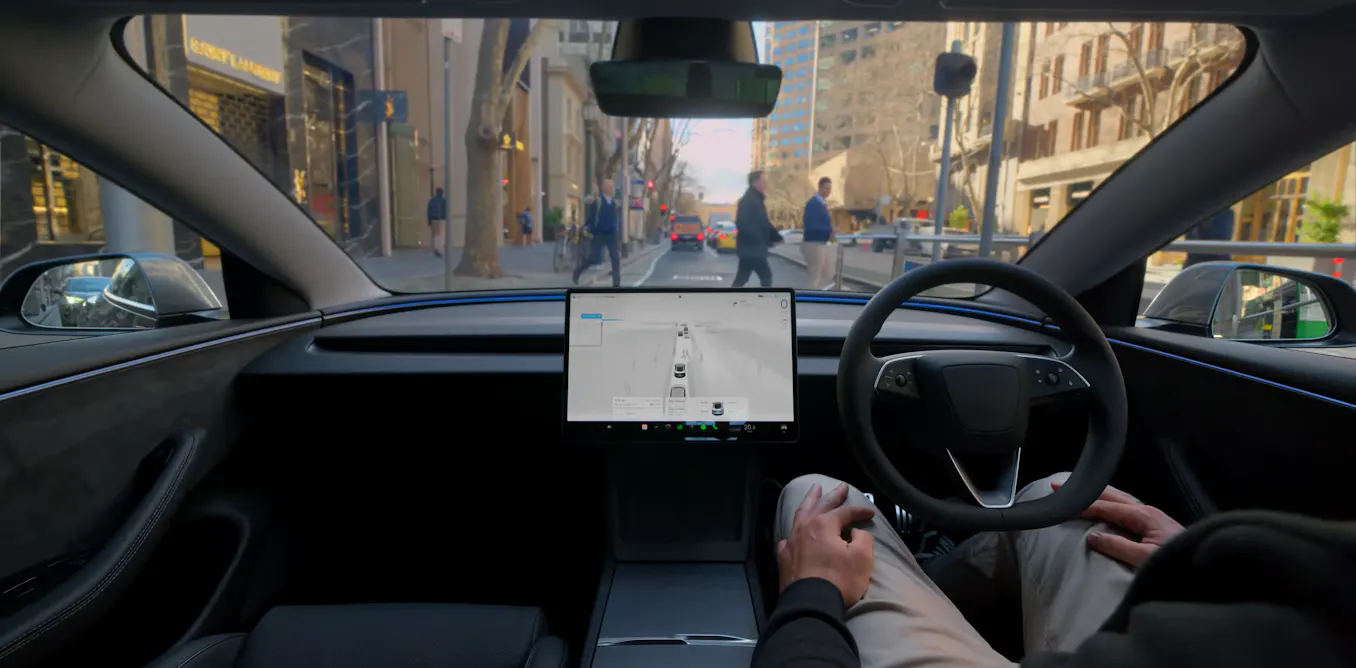
A 100-day real-world trial of Tesla’s Full Self-Driving (FSD) system in Queensland, Australia, has highlighted significant gaps between autonomous vehicle capabilities and existing road infrastructure. Researchers recorded over 500 safety-critical events where the system required human intervention, failing to complete even a single trip autonomously from start to finish. These findings underscore the urgent need for the autonomous vehicle sector to address repeatable infrastructure challenges, such as ambiguous signage and complex intersection designs, to ensure safe deployment.
Researchers at the University of Queensland, led by Zuduo Zheng, conducted a comprehensive 100-day test of a Tesla Model Y utilizing Full Self-Driving (FSD) technology on public roads. While the vehicle demonstrated high precision in many scenarios, the team documented more than 500 safety-critical events where the system mismanaged the road environment or required immediate driver intervention. To share these findings, the researchers established White Box Autonomy, a public archive detailing the specific technical hurdles encountered, such as the vehicle weaving on bridges or failing to stop safely at railway crossings when traffic ahead stalled.
One of the most significant findings involved the system's inability to navigate time-restricted speed limits and social driving conventions. The researchers reported a failure rate of over 90% in school zones, where the FSD system either ignored the reduced limits or applied them at inappropriate times, such as late in the evening. Additionally, the vehicle struggled with Australia’s "zipper merge" rules, which rely on subtle human negotiation, and frequently misidentified e-scooter riders as pedestrians. These issues were compounded by complex roundabouts and harsh weather conditions that obscured lane markings, leading to frequent loss of accuracy.
The study concludes that the autonomous vehicle sector cannot rely solely on making vehicles "smarter" but must also push for infrastructure improvements to meet the technology halfway. Proposed solutions include more frequent signage, clearer lane markings, and less ambiguous intersection designs that are easier for machine vision to interpret. The researchers also highlighted a potential synergy for the industry, suggesting that autonomous vehicles could act as mobile sensors to provide real-time data on road damage and faded markings, thereby assisting government agencies in prioritizing maintenance and improving the overall safety of the road network.
Summary generated by RabbitReport AI from public reporting. The full article and original reporting belong to The Conversation.