Traffic Regulators Vow to Unleash ‘Innovation’ by Eliminating Robotaxi Brake Pedals
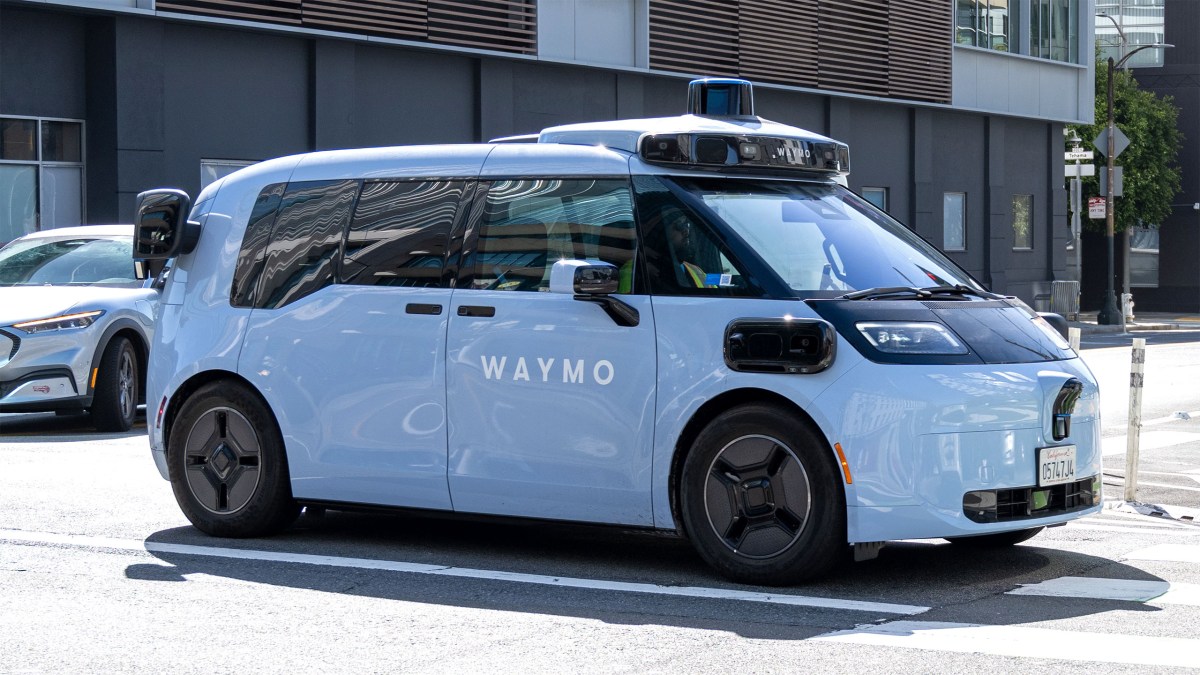
The National Highway Traffic Safety Administration (NHTSA) has announced a new initiative to modernize federal safety standards by allowing for the removal of brake pedals in autonomous vehicles. By amending Federal Motor Vehicle Safety Standard No. 135, the agency seeks to eliminate design requirements originally established in 1995 that are no longer applicable to vehicles operated by Automated Driving Systems (ADS). This regulatory shift is intended to accelerate the deployment of robotaxis and purpose-built autonomous platforms by removing what the agency describes as pointless barriers to innovation.
The NHTSA proposal specifically targets Federal Motor Vehicle Safety Standard (FMVSS) No. 135, which governs light vehicle brake systems and has remained largely unchanged since its publication in 1995. While the agency intends to remove the requirement for a physical foot pedal in vehicles designed to be operated solely by an ADS, it emphasized that the actual braking performance and stopping distance requirements will remain unchanged. Instead of traditional pedal-based testing, the capability of these braking systems will be evaluated through alternative methods tailored for autonomous technology. This move is framed as a way to safely unleash American innovation by updating rules to reflect the reality of modern self-driving hardware.
The regulatory update arrives as several major players in the autonomous sector, including Waymo and Tesla, push toward vehicles without traditional human controls. While Waymo already operates without human safety monitors, Tesla is currently testing its Cybercab models in Austin, which are designed without steering wheels or pedals. The NHTSA’s initiative also includes other modernizations, such as removing the necessity for manual windshield wiper controls in fully autonomous designs. These changes are viewed as a significant win for robotaxi developers looking to streamline vehicle architecture and reduce costs associated with redundant human-centric hardware that the agency now deems unnecessary for ADS-operated fleets.
Despite the move to eliminate pedals, the NHTSA has faced scrutiny for not yet establishing a protocol for passenger-led emergency stops. A footnote on Page 9 of the proposal indicates that the agency is taking no position at this time on how a passenger should direct an ADS-operated vehicle to stop or how the system should respond to such a command, deferring the issue to future performance standards. However, the agency did take a firm stance on the inclusion of telltales, or brake indicators. Contrary to some industry stakeholders who argue that these indicators are only relevant to human drivers, the NHTSA tentatively maintains that this information must remain visible to occupants to ensure transparency and safety during transit.
Summary generated by RabbitReport AI from public reporting. The full article and original reporting belong to The Drive.