NVIDIA Open Models and Alpamayo Family Drive Autonomous Vehicle Research at ICML 2026
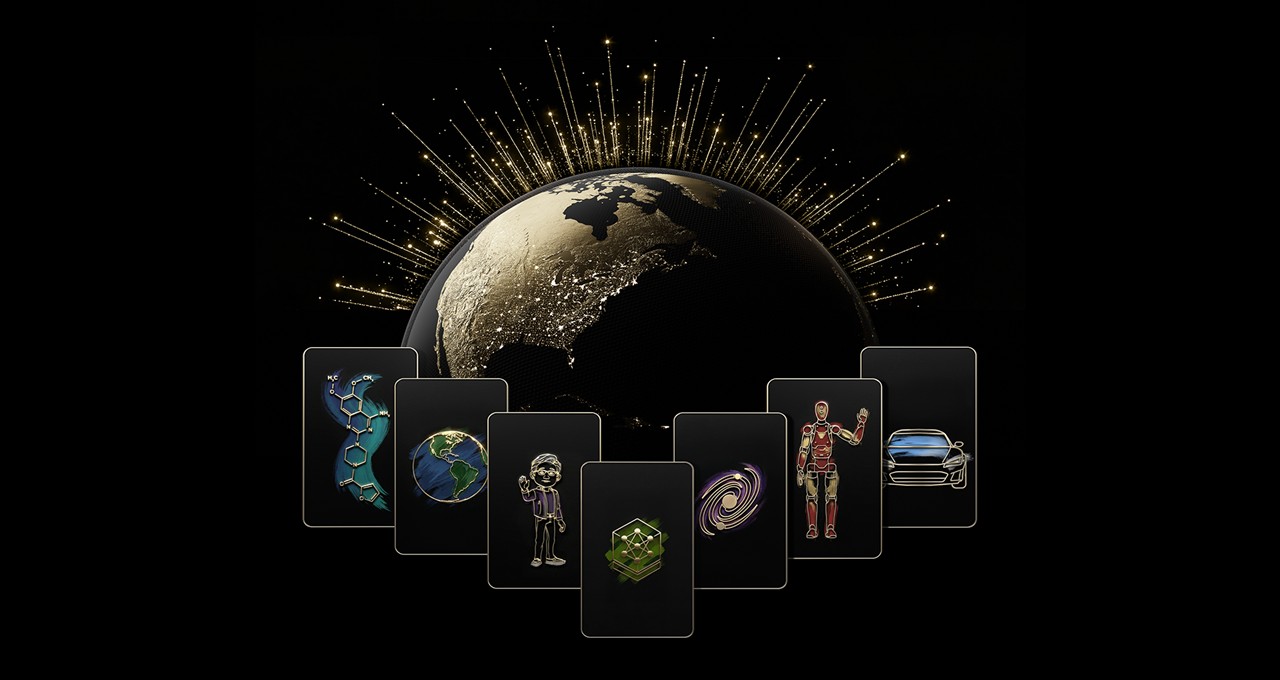
NVIDIA showcased the growing influence of open frontier models and infrastructure on autonomous vehicle (AV) and robotics research at the International Conference on Machine Learning (ICML) 2026. The company introduced the Alpamayo open model family specifically for AV development, alongside the Cosmos 3 family of omnimodels designed for physical AI applications. These advancements allow researchers to develop systems capable of reasoning and planning in the physical world, significantly lowering the barriers to entry for complex autonomous navigation and safety testing.
NVIDIA's presence at ICML 2026 included 74 accepted papers, while approximately 2,000 total papers cited NVIDIA GPUs, highlighting the company's role in foundational AI research. The conference underscored a shift toward open AI infrastructure, with 145 papers citing NVIDIA Nemotron and hundreds more utilizing the Cosmos and Isaac GR00T families. For the autonomous vehicle sector, these open models function as a comprehensive research stack, providing open weights, datasets, and recipes for reasoning and data curation. This infrastructure enables developers to build and adapt models for perception and planning more efficiently than with closed proprietary systems.
A major focus for the autonomous and robotics sectors at the event was the development of robot world models like DreamDojo. This research utilizes NVIDIA Cosmos open frontier models to learn physical world behaviors from human video, allowing AI to predict how to operate in novel environments. Additionally, the NVIDIA Alpamayo open model family was specifically highlighted for its role in accelerating autonomous vehicle development. These omnimodels provide a generational leap in the ability for vehicles to perceive, reason, and act, facilitating safer and more sophisticated autonomous navigation through advanced simulation and policy evaluation.
The conference also emphasized the importance of synthetic data generation (SDG) in training autonomous systems at scale. By using Nemotron and physical AI open datasets, researchers can create high-quality training sets without the high costs and risks associated with human-labeled data or physical-world testing. Industry leaders such as Boston Dynamics, Agility, and 1X are already adopting Cosmos world models and Isaac Sim to accelerate the validation of their autonomous systems. This trend toward open-source foundations and synthetic training environments is expected to redefine the economics and speed of deploying autonomous vehicles in production environments.
Summary generated by RabbitReport AI from public reporting. The full article and original reporting belong to NVIDIA Blog.