New Law Could Let Tesla Ship Cars With No Brake Pedals Installed
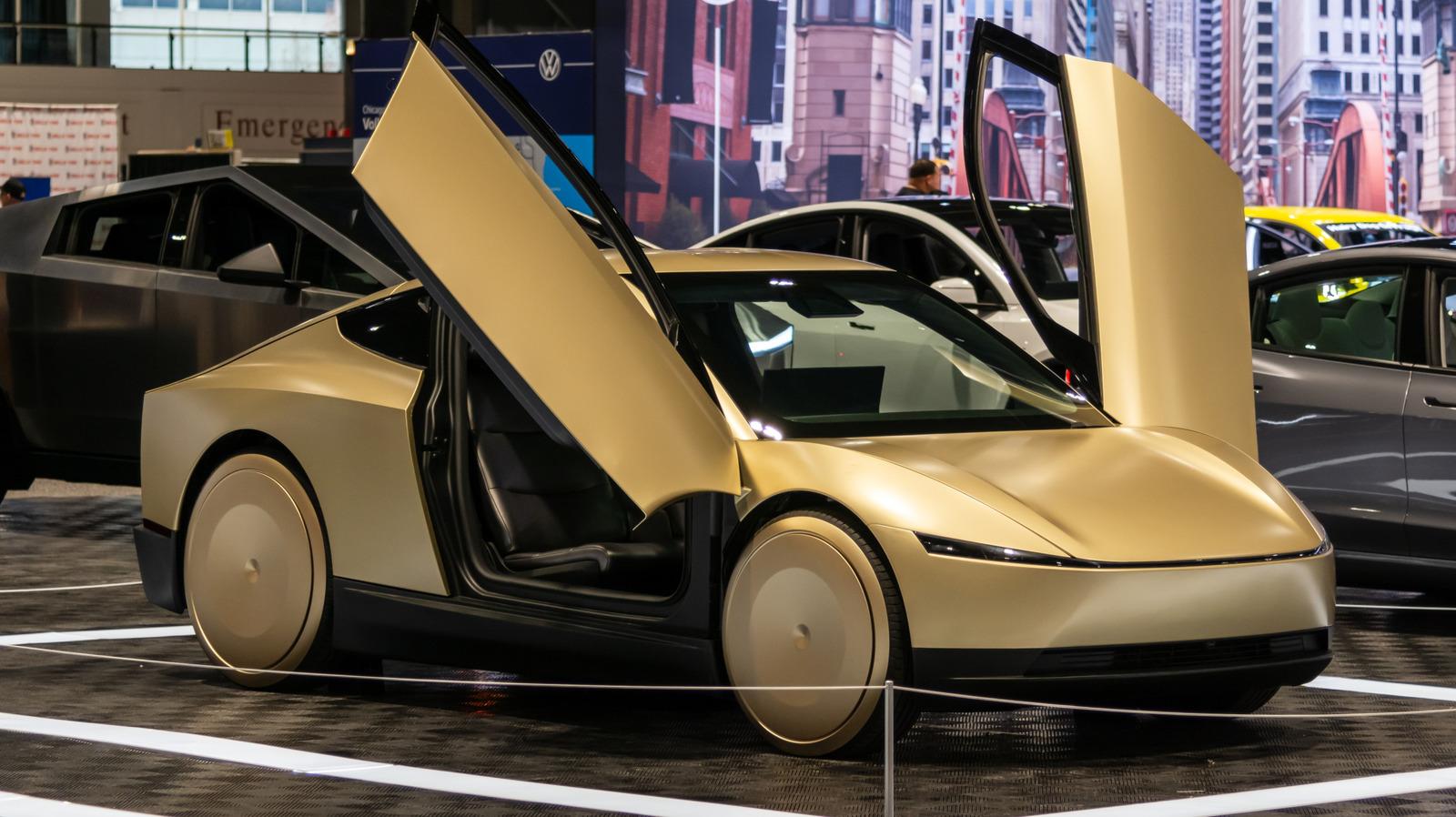
The U.S. Department of Transportation is considering a regulatory shift that would allow manufacturers to produce autonomous vehicles without traditional manual controls like brake pedals or steering wheels. This proposal aims to eliminate the current 2,500-vehicle annual production cap for such designs, potentially accelerating the deployment of robotaxi fleets. For the autonomous vehicle sector, this represents a significant pivot toward hardware-agnostic vehicle design and a reduction in federal regulatory barriers that have historically slowed innovation.
Under current federal regulations, automakers developing autonomous vehicles (AVs) without traditional components like brake pedals must secure specific exemptions, which currently limit production to just 2,500 units per year. The National Highway Traffic Safety Administration (NHTSA) is now proposing to remove these barriers to facilitate faster deployment of innovative vehicle designs. NHTSA Administrator Jonathan Morrison described the move as a way to strengthen safety requirements while holding developers accountable, labeling AV technology as the most significant innovation since the Model T. The public has until July 27th to submit comments on the proposal before the Department of Transportation (DOT) moves toward official approval.
The proposed changes are particularly critical for Tesla and its upcoming Cybercab, which is designed without a steering wheel, accelerator, or brake pedals. While Tesla’s robotaxi operations are currently limited to a small-scale service in Austin, Texas, using human monitors, CEO Elon Musk has cited regulatory hurdles as a primary reason for delays in a wider rollout. A recent Tesla document confirms that the Cybercab, which first saw production at the Giga Texas facility in April 2026, typically will not include manual controls, making the DOT’s regulatory overhaul essential for the vehicle's commercial viability.
Beyond Tesla, other major players like Waymo have also explored removing traditional driving components, but federal regulations have remained the primary obstacle. However, the path forward remains complex as the NHTSA continues to investigate Tesla’s Full Self-Driving (FSD) mode for potential shortcomings and false claims. Additionally, state-level regulators in California have challenged the FSD branding as false advertising. Despite these ongoing investigations, the federal shift toward allowing pedal-less vehicles marks a major milestone for the industry's transition toward fully unsupervised autonomous transportation.
Summary generated by RabbitReport AI from public reporting. The full article and original reporting belong to SlashGear.