BRAVE10k project aims for 10,000 autonomous vehicles in public transport
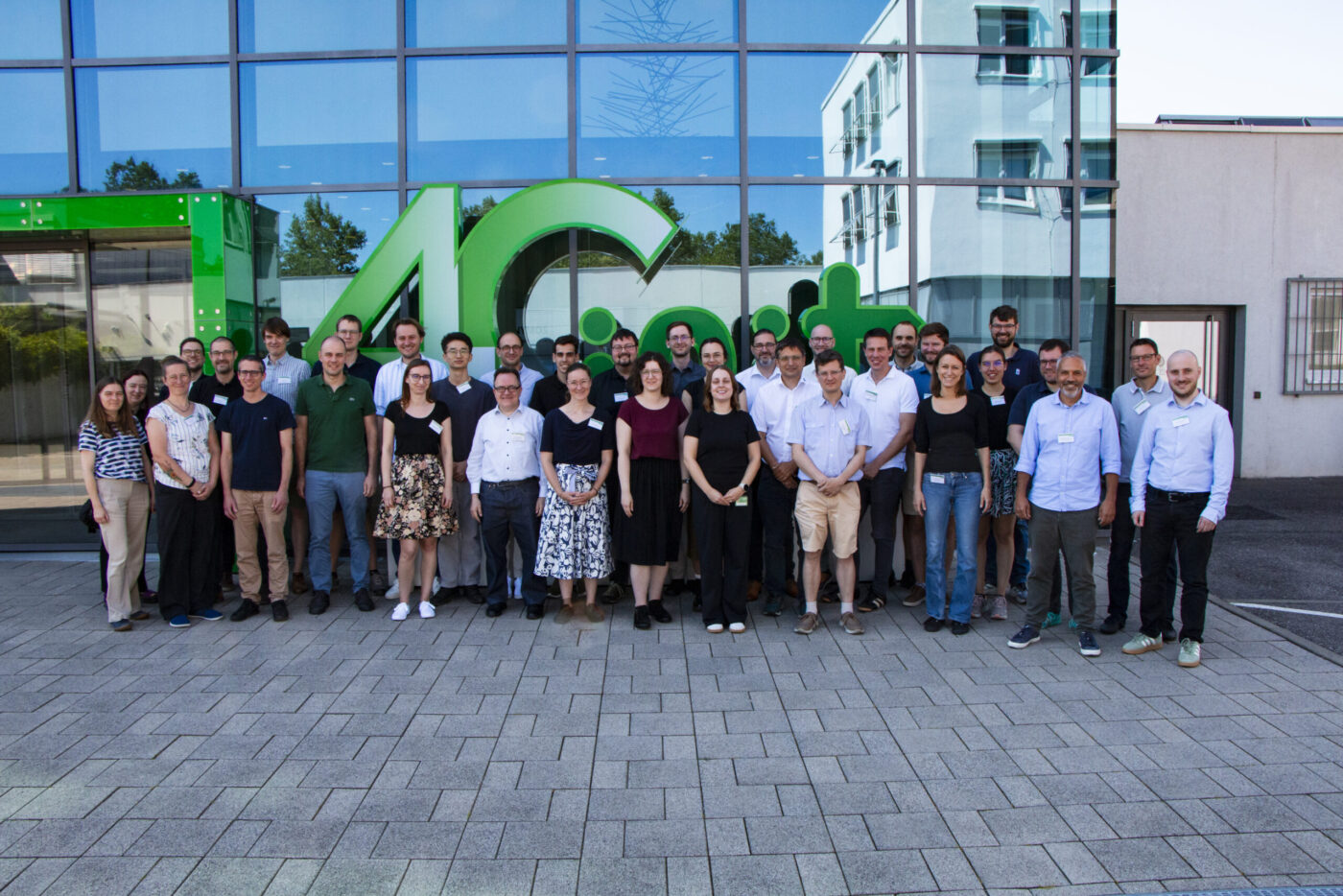
The BRAVE10k research project has been launched in Germany with the goal of integrating more than 10,000 autonomous vehicles into public transportation systems by 2030. Led by telematics specialist INIT and funded by the Federal Ministry for Economic Affairs and Energy, the three-year initiative focuses on overcoming the organizational and regulatory hurdles that currently prevent large-scale deployment. This project is significant for the autonomous vehicle sector as it shifts focus from individual vehicle technology to the standardized infrastructure and operational frameworks necessary for economically viable, fleet-wide implementation.
The BRAVE10k consortium, comprising approximately 20 partners from industry, research, and the public sector, is dedicated to accelerating the transition of autonomous shuttles and buses from pilot tests to regular operations. Supported by TÜV Rheinland, the project specifically targets the creation of standardized procedures and digital tools to streamline the planning, tendering, and approval processes for driverless fleets. Unlike previous initiatives that prioritized vehicle-level AI and sensors, BRAVE10k addresses the systemic requirements for large-scale integration, aiming to establish a foundation for 10,000 autonomous units across German public transport networks by the end of the decade.
To achieve these goals, the project will develop a suite of technical solutions including specialized tools for control centers and technical supervision. Key deliverables include a unified classification system for route requirements and standardized certification procedures to simplify the regulatory path for operators. Furthermore, the consortium will utilize digital twins to simulate various deployment scenarios and analyze operational data, while simultaneously working on open interfaces to ensure interoperability between different autonomous systems and existing infrastructure.
This initiative marks a strategic evolution in Germany's autonomous driving landscape, building upon previous research such as the STADT:up project, which focused on urban traffic navigation. BRAVE10k moves the industry toward economic viability by involving transport companies and municipalities early in the process through a stakeholder dialogue set to launch in the coming months. By addressing the critical factors of safety concepts, digital infrastructure, and standardized operational procedures, the project seeks to resolve the challenges that have historically limited autonomous public transport to small-scale, isolated trials.
Summary generated by RabbitReport AI from public reporting. The full article and original reporting belong to electrive.com.