Baidu's Apollo Go and Freenow by Lyft Begin Road Testing in London
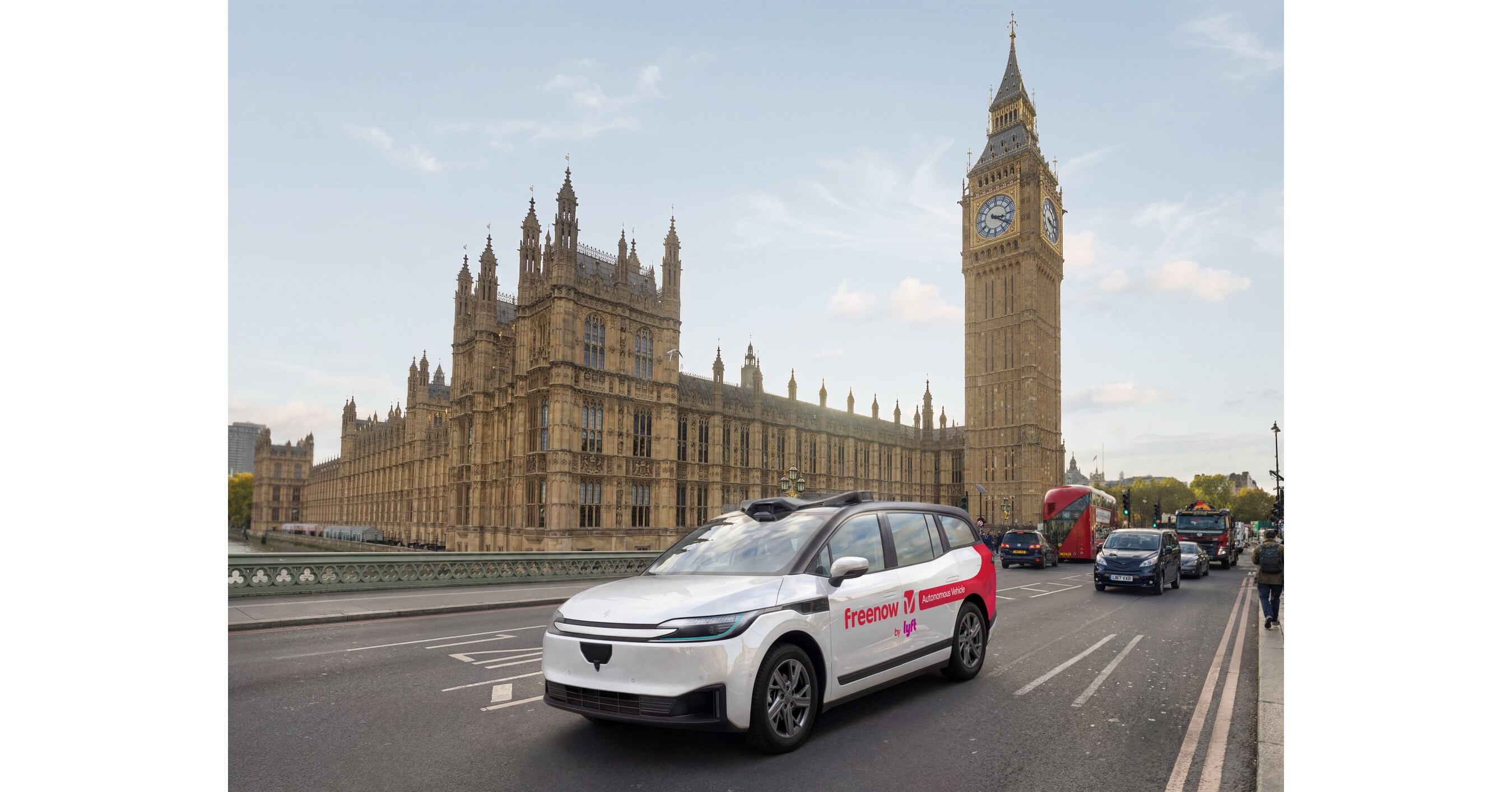
Baidu's autonomous ride-hailing platform, Apollo Go, has officially commenced road testing in London in partnership with Freenow by Lyft. The trials, which utilize RT6 vehicles in the borough of Brent, represent a significant expansion of Baidu's autonomous technology into a major European right-hand-drive market. This move is a critical step toward the companies' goal of launching public autonomous services in 2027 and highlights the accelerating global competition in the robotaxi sector.
The London testing program is the result of a strategic partnership established in 2025 between Baidu and Lyft, following Lyft's acquisition of the European multi-mobility platform Freenow. Under this arrangement, Baidu provides its proprietary RT6 vehicles and Level 4 autonomous driving technology, while Freenow by Lyft manages local operations and integration within its existing ecosystem. Initial testing in the borough of Brent includes safety operators on board to navigate a combination of urban and suburban environments, with plans to open the service to public riders by 2027 pending regulatory approval.
This deployment follows Baidu’s successful expansion into Hong Kong, which served as its first right-hand-drive market. In July 2026, Apollo Go achieved a major milestone by receiving Hong Kong’s first fully driverless trial permit for operations on Airport Island, marking the first time a Level 4 autonomous vehicle has been permitted to operate without an on-board safety operator in a right-hand-drive jurisdiction globally. Nan Yang, Baidu’s Vice President and General Manager of Overseas Business, noted that testing in London's complex urban environment serves to validate the maturity and adaptability of the Apollo Go technology.
Freenow by Lyft intends to operate the RT6 vehicles as part of a hybrid network alongside its traditional taxi and private hire fleets to improve pickup times and sustainability. According to Freenow CEO Thomas Zimmermann, the integration aims to support professional drivers while offering Londoners shared mobility alternatives to private vehicle ownership. Market research commissioned by the companies indicates a receptive audience, with 58% of Londoners surveyed expressing a willingness to try autonomous vehicles.
Baidu’s global autonomous footprint has grown rapidly, with Apollo Go reporting over 22 million cumulative rides provided to the public as of April 2026. In the first quarter of 2026 alone, the platform completed 3.2 million fully driverless rides, reflecting a 120% year-over-year growth rate. Currently operating in 27 cities, the Apollo Go fleet has accumulated more than 330 million autonomous kilometers, including 220 million kilometers driven in fully driverless mode, maintaining what the company describes as a strong safety record throughout its expansion.
Summary generated by RabbitReport AI from public reporting. The full article and original reporting belong to PR Newswire.