After months of prep, Waymo nearly ready to launch driverless service in San Diego
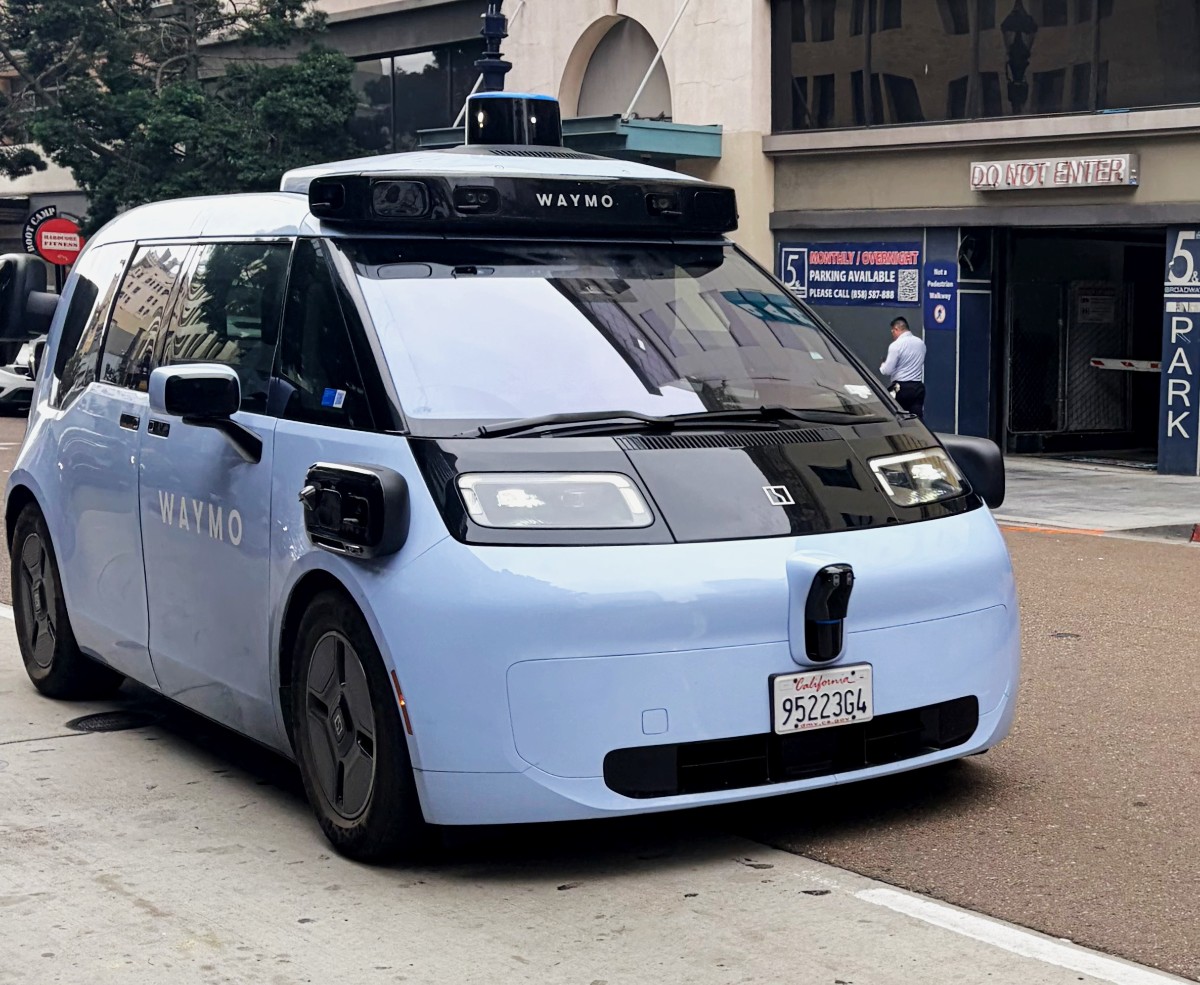
Waymo has announced the imminent launch of fully autonomous ride-hailing services in San Diego, marking a significant expansion of its robotaxi operations. The service will initially be available to employees before opening to the general public, joining other new markets including Las Vegas, Tampa, and Denver. This move represents a major step in the commercialization of autonomous vehicle technology, though it faces local political opposition and ongoing debates regarding safety data and economic impact.
Waymo, the autonomous driving subsidiary of Alphabet, is transitioning from testing with human safety drivers to fully driverless operations in San Diego after more than a year of preparation. The rollout will begin as a soft start restricted to company employees, with plans to invite the public via the Waymo app in the near future. San Diego is part of a broader four-city expansion that includes Las Vegas, Tampa, and Denver, adding to Waymo's existing footprint in major hubs like Los Angeles, Phoenix, and the San Francisco Bay Area.
The expansion has met with resistance from local officials, specifically San Diego Councilman Sean Elo-Rivera and the regional transit board. Elo-Rivera has successfully pushed the board to oppose driverless service expansion without increased local oversight, citing concerns that corporations are replacing human workers with machines to boost profits. Additionally, a UC San Diego study led by Assistant Professor Behram Wali found that 85% of survey respondents fear job losses in the ride-hailing and delivery sectors, highlighting a significant trust gap among lower-income and non-urban populations.
Conversely, the medical community has emerged as a vocal supporter of the technology, with 20 prominent researchers—including Dr. Eric Topol of Scripps Research—urging lawmakers to facilitate autonomous vehicle adoption. In an open letter, these physicians argued that Waymo’s data suggests autonomous vehicles are significantly safer than human-driven ones, comparing the potential public health benefits to the introduction of seatbelts. To address transparency concerns, these experts are calling for standardized federal reporting requirements for crash rates and geographic deployment data to provide an evidence-based framework for regulation.
Summary generated by RabbitReport AI from public reporting. The full article and original reporting belong to Times of San Diego.