Where Medicine and Artificial Intelligence Converge
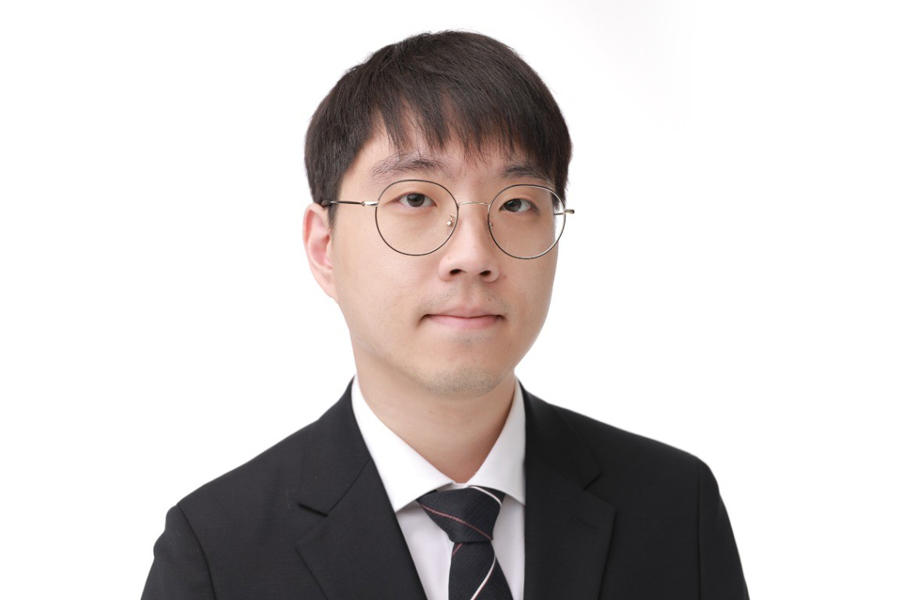
Sungjoon Hong, a medical student at the New York Institute of Technology College of Osteopathic Medicine, has successfully integrated deep learning models into clinical research to enhance diagnostic precision. Working alongside Associate Professor Milan Toma, Hong developed an AI-based method to noninvasively monitor the effectiveness of epidural blocks through thermal imaging. This research underscores the accelerating role of algorithmic medicine in transforming traditional, subjective clinical assessments into objective, data-driven workflows.
Sungjoon Hong, a student at the New York Institute of Technology College of Osteopathic Medicine (NYITCOM), has published three research articles in his first year exploring AI's potential in physical medicine and rehabilitation. Mentored by Associate Professor Milan Toma, Ph.D., in the lab of algorithmic medicine, Hong focused on using machine learning to map recovery trends and improve patient quality of life. His work demonstrates how medical students without prior machine learning experience can leverage AI-assisted diagnostics to address specific clinical challenges in pain management.
A key highlight of Hong’s research, published in the journal Frontiers, is a study titled "Deep learning based thermal foot segmentation with probability inversion post-processing for automated epidural block assessment." The project addresses the 12 percent failure rate of epidural blocks by replacing traditional, uncomfortable tests—such as pinpricks or ice cubes—with noninvasive thermography. By utilizing the U-Net deep learning model, the system identifies foot segmentation in thermal images and extracts real-time temperature data to confirm the physiological response of blood vessel dilation associated with successful anesthesia.
The AI model serves as an automated assistant that converts subjective patient feelings into objective, quantified visual maps, thereby reducing human error and patient stress in high-anxiety environments. Hong notes that while AI has the potential to become as standardized as the stethoscope, its transition from the lab to the hospital requires critical evaluation of clinical utility and patient safety. This research reflects a broader shift toward integrating sophisticated machine learning tools into routine medical practice to enhance both diagnostic accuracy and the patient experience.
Summary generated by RabbitReport AI from public reporting. The full article and original reporting belong to New York Institute of Technology.