Syracuse University Launches Comprehensive AI Academic Portfolio for Fall 2026
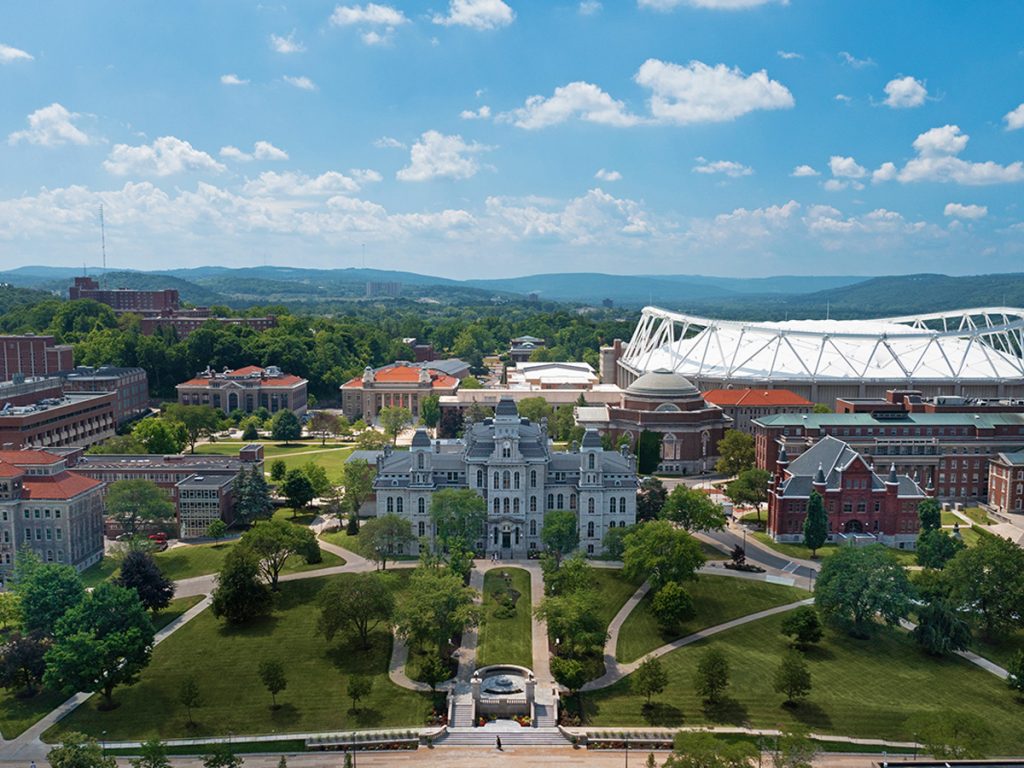
Syracuse University has announced the launch of an expansive artificial intelligence academic portfolio scheduled for Fall 2026, positioning itself as one of the few institutions to offer a fully integrated, interdisciplinary AI education ecosystem. The initiative includes new undergraduate and graduate degrees, specialized minors, and a student-led bootcamp designed to provide immediate hands-on experience. This move reflects a strategic effort to prepare a workforce capable of not only building AI technology but also governing and applying it across diverse sectors such as public affairs, design, and the life sciences.
Syracuse University’s new AI ecosystem features a diverse array of degree programs, including bachelor’s and master’s degrees in artificial intelligence science, a bachelor’s in integrative artificial intelligence, and a master’s in applied human-centered artificial intelligence. According to Lois Agnew, vice chancellor and provost, the goal is to provide a full picture of the field, allowing students to master AI through a single, coherent environment. The integrative bachelor’s degree specifically targets students looking to combine AI expertise with other fields like the life sciences or public policy, while seven new minors offer fluency in AI ethics, policy, and data for students across all majors.
Beyond traditional classroom instruction, the university is implementing co-curricular initiatives such as a peer-led AI Bootcamp that offers stackable microcredentials to students upon their arrival on campus. Jeff Rubin, senior vice president for digital transformation, emphasized that AI is being woven into the university's research and learning fabric to meet the urgent demands of a changing workforce. Furthermore, the student-led organization United AI provides undergraduates with hands-on research opportunities through its Foundry program and maintains direct partnerships with leading AI companies to bridge the gap between academia and industry.
The university’s research portfolio, overseen by Vice President for Research Duncan Brown, focuses on the practical application and governance of AI rather than abstract study. Faculty and students are currently developing systems to detect synthetic media, investigating the community impacts of algorithmic decision-making, and creating new AI capabilities that extend beyond current large language models. These research efforts span multiple disciplines, including engineering, law, and the humanities, ensuring that Syracuse's AI output is technically rigorous and grounded in real-world challenges like cybersecurity and healthcare.
Summary generated by RabbitReport AI from public reporting. The full article and original reporting belong to Syracuse University Today.