Ball game’s over—the US is out of the AI chip market in China
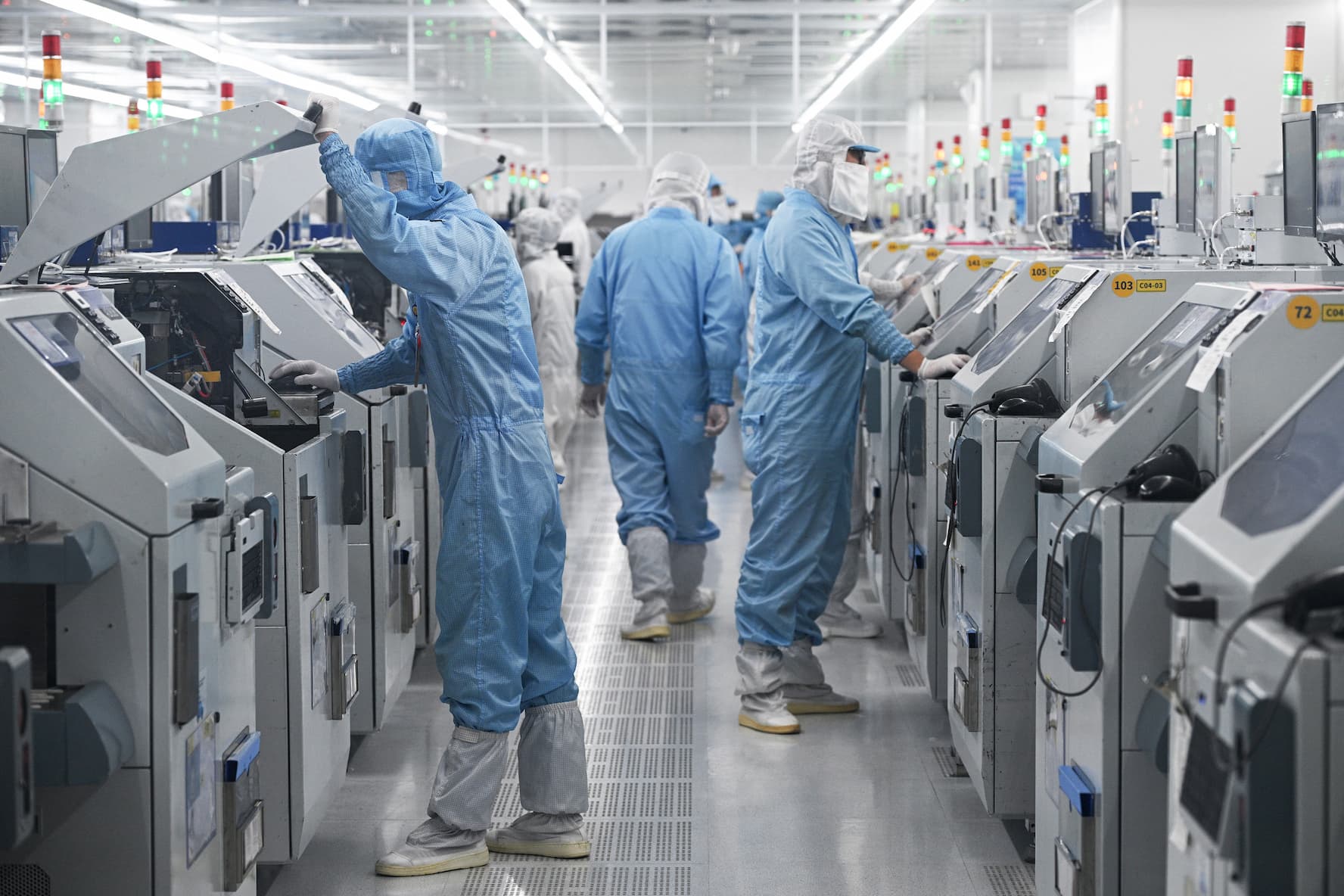
The United States has effectively lost its position in the Chinese artificial intelligence chip market as Beijing shifts toward domestic self-reliance and away from American suppliers like Nvidia. Despite recent U.S. approvals for the sale of advanced H200 chips to Chinese firms, zero sales have been recorded as Chinese authorities now view U.S. companies as unreliable business partners. This decoupling marks a significant shift in the global AI landscape, forcing U.S. policymakers to reconsider export controls that may inadvertently isolate domestic firms from international buyers.
The Trump administration recently approved the sale of Nvidia’s H200 chips to 10 Chinese companies, yet as of mid-May, not a single unit has been sold. President Donald Trump noted that China has chosen not to purchase the hardware, preferring instead to develop its own domestic alternatives. This rejection stems from a deep-seated distrust of U.S. regulatory stability; Chinese authorities now consider U.S. chipmakers unreliable partners and are actively preventing their companies from training AI models on American hardware. This shift signals an end to the previous era of interdependence where U.S. firms dominated the Chinese semiconductor market.
The current situation is the culmination of years of escalating trade tensions, beginning with the 2019 embargo on Huawei. In response to U.S. restrictions, Huawei successfully developed its own 7-nanometer processor via the Semiconductor Manufacturing International Corporation (SMIC) for its Mate 60 Pro smartphone. Subsequent Biden administration policies in 2022 and 2023 further tightened controls, specifically targeting the high-end chips and manufacturing equipment necessary for frontier AI models. While the Trump administration officially repealed the 'diffusion rule' in May 2025 to prevent U.S. firms from facing a competitive disadvantage, the emergence of Chinese startups like DeepSeek—which produced high-performing AI models at a fraction of the cost—demonstrates that China is finding ways to innovate despite these barriers.
Industry experts warn that further U.S. policy miscalculations could jeopardize the American lead in the global AI marketplace. Proposed measures under consideration include expanding chip controls to third-party countries to prevent evasion, excluding Chinese AI applications from international markets, and restricting access to Chinese-made memory chips. Analysts suggest these actions may fail to contain Chinese technological growth and instead isolate U.S. companies from global buyers who may turn to Chinese alternatives to avoid burdensome U.S. regulations. As the global marketplace remains competitive, the focus for the U.S. AI sector is shifting toward maintaining an advantage with international buyers outside of China.
Summary generated by RabbitReport AI from public reporting. The full article and original reporting belong to Brookings.