Cosmetics and artificial intelligence: beauty in the algorithmic age
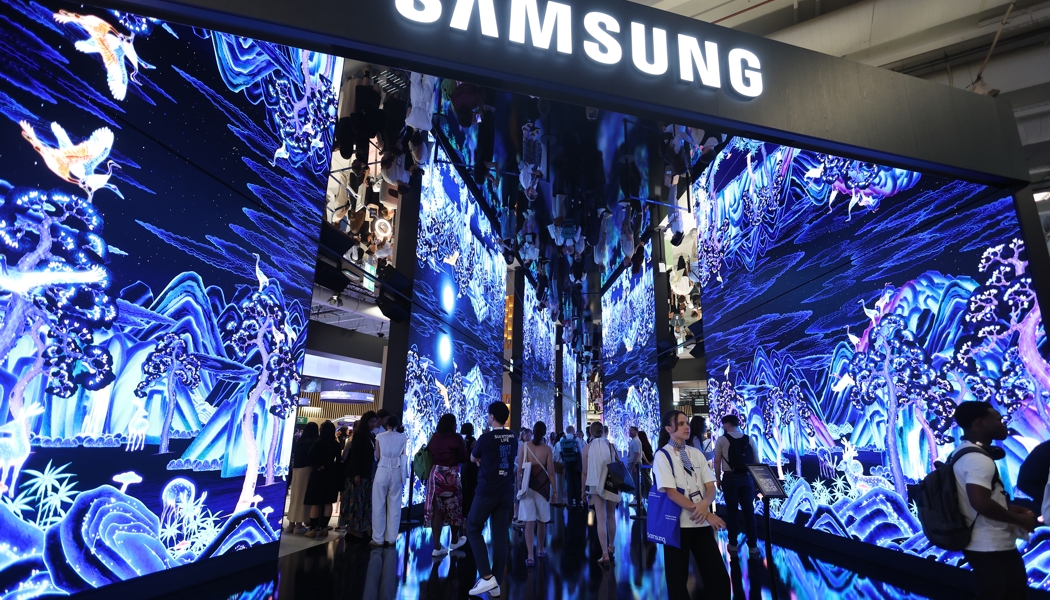
The cosmetics industry is rapidly adopting artificial intelligence to provide hyper-personalized consumer experiences and advanced predictive diagnostics, as evidenced by major reveals at the VivaTech trade show. Industry leaders like L’Oréal and LVMH are investing billions into technological infrastructure and forming strategic alliances with AI powerhouses such as OpenAI and Nvidia. This evolution marks a significant shift in the sector, where data-driven insights are transforming traditional beauty products into sophisticated forms of digital healthcare.
L’Oréal is at the forefront of this technological shift, showcasing AI-driven devices like the K-Scan for scalp health and Lancôme’s Cell BioPrint for skin age estimation. The K-Scan utilizes a database of 12,000 images to identify scalp needs and predict hair loss risks, while Cell BioPrint analyzes surface samples to estimate biological skin age and recommend tailored skincare regimens. According to luxury expert Éric Briones, this level of personalization is now essential for brands to attract customers to physical stores, as AI allows for a deep understanding of an individual’s biological needs that was previously impossible without algorithmic assistance.
To fuel these advancements, L’Oréal invested approximately EUR 1.5 billion (USD 1.7 billion) in technology and EUR 1.4 billion (USD 1.6 billion) in research and innovation over the past year. The company has entered strategic partnerships with OpenAI to enhance customer interactions via AI-powered services and with Nvidia to accelerate the discovery of new molecules in the laboratory. Guive Balooch, L’Oréal’s Vice President of Technology and Open Innovation, noted that these collaborations provide a competitive advantage by integrating AI across the entire business value chain, from chemical formulation to marketing and direct customer engagement.
The trend extends to retail giants like Sephora, an LVMH subsidiary, which recently launched a ChatGPT-powered application in the United States to offer personalized beauty advice. LVMH’s Data and Omnichannel Director, Gonzague de Pirey, explained that the AI assistant becomes more relevant as it learns individual user preferences, while CIO Franck Le Moal described the shift as a 'digitalization of beauty' that bridges the gap between cosmetics and healthcare. This convergence is also drawing interest from tech companies like Samsung, which presented an AI skin analysis solution from its startup Becon at VivaTech, signaling that the beauty and wellness markets have become a major frontier for AI-driven economic profitability.
Summary generated by RabbitReport AI from public reporting. The full article and original reporting belong to Premium Beauty News.