Research project aims to unlock additive manufacturing for Australian maritime and defence supply chain
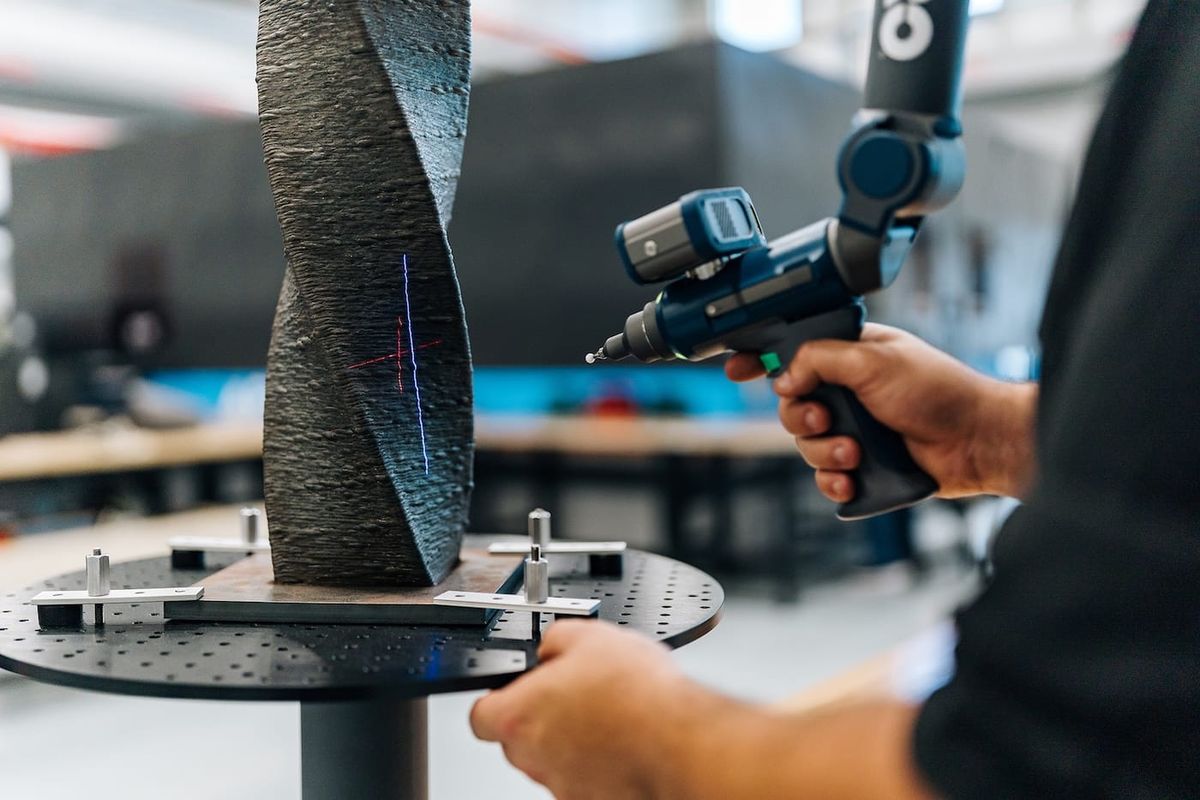
Australian shipbuilder Austal, Curtin University, and the Additive Manufacturing Cooperative Research Centre (AMCRC) have launched a $600,000 research project to optimize 3D printing within the maritime and defense supply chains. Over the next 18 months, the partners will develop an industry-ready framework designed to evaluate thousands of components for additive manufacturing suitability based on technical, commercial, and regulatory factors. This initiative aims to move the sector beyond proof-of-concept toward high-value, scalable adoption of advanced manufacturing technologies.
The 18-month collaboration seeks to address a critical shift in the additive manufacturing (AM) landscape, moving from validating the technology’s basic functionality to identifying specific applications where it provides the most significant measurable benefits. Led by Austal’s Head of Research and Development, Sam Abbott, the project focuses on creating a framework that quantifies AM demand across maritime and defense programs. By assessing components against operational and regulatory requirements, the initiative intends to help manufacturers make informed investment decisions and build more resilient supply chains.
Austal brings significant expertise to the project as the prime contractor for the United States Navy's Additive Manufacturing Centre of Excellence, contributing global insights and real-world manufacturing data. Curtin University will lead the technical development and validation of the framework, utilizing actual vessel and supply chain data to ensure the outcomes are commercially relevant. Research Lead Dr. Karl Davidson emphasized that by merging engineering and commercial considerations into a single tool, the project will allow for faster decision-making regarding where AM can deliver the highest value.
The Additive Manufacturing Cooperative Research Centre (AMCRC) highlights that while many organizations recognize the potential of 3D printing, they often struggle with the commercial and operational logic of implementation. Managing Director Simon Marriott stated that the project will provide a practical solution to prioritize investments and build the confidence necessary to scale adoption. Furthermore, the partners noted that the resulting repeatable model could eventually be applied to other Australian industrial sectors, enhancing overall productivity and competitiveness beyond the immediate maritime and defense focus.
Summary generated by RabbitReport AI from public reporting. The full article and original reporting belong to tctmagazine.com.